
Desserts
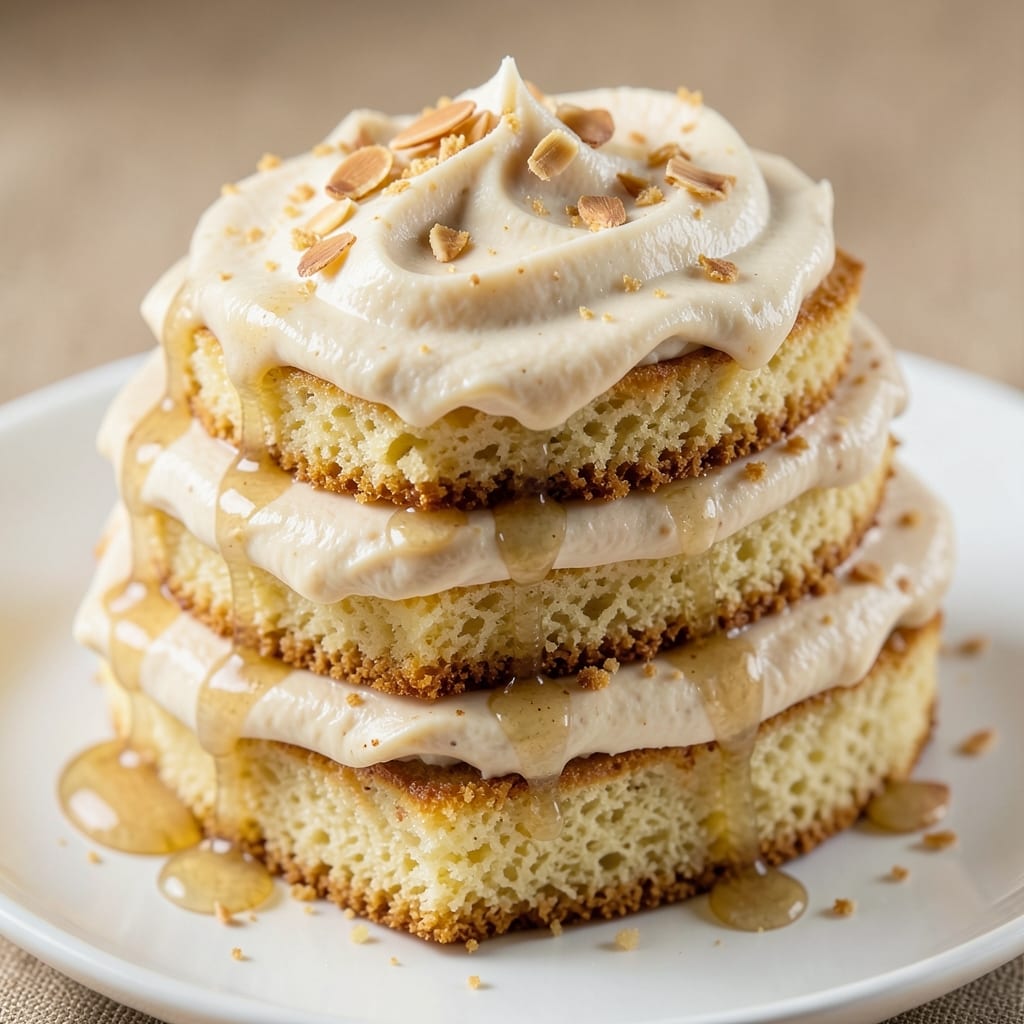
This almond cake frosting recipe delivers a velvety-smooth, nutty spread that stays perfectly firm even in warm kitchens. The secret lies in the precise ratio of butter to powdered sugar and the addition of almond extract, which infuses each bite with that signature marzipan-like flavor. I developed this recipe after struggling to find a frosting that could handle Florida summers without melting—it’s now my go-to for layer cakes, cupcakes, or even as a filling for almond-filled pastries.
The recipe uses a simple technique: creaming butter and sugar until light and fluffy, then gradually incorporating almond flour and extract for that unmistakable nutty depth. Unlike traditional buttercream, this version holds its shape beautifully, making it ideal for piping rosettes or creating clean, professional-looking layers. The texture is smooth yet sturdy, ensuring it doesn’t slide off plates or cake tiers when sliced.
What sets this frosting apart is its versatility—it pairs equally well with rich chocolate cakes, delicate vanilla sponge, or even fruit-based desserts like berry tarts. The almond flavor complements both sweet and tart elements, while the firm yet tender consistency makes it perfect for decorating. Whether you’re frosting a showstopper cake or simply spreading it on cookies, this recipe guarantees a finish that looks and tastes like it came from a patisserie.
For those with dietary preferences, substitutions are straightforward: use dairy-free butter for a vegan version, or swap powdered sugar for a refined sugar blend if you prefer a slightly less sweet profile. The frosting can be made up to 3 days ahead, allowing flavors to meld even more deeply. Ready to elevate your desserts with this professional-quality spread?
Ingredients for almond cake frosting
Nine simple ingredients transform into a professional-quality almond frosting that stays firm in heat.
| Ingredient | Amount | Notes |
|---|---|---|
| Unsalted Butter 🧈 | 1 cup | Cold, cubed for easier creaming |
| Powdered Sugar 🍚 | 3 cups | Sifted for smooth texture |
| Almond Flour 🌰 | 1 cup | Fine, blanched for best flavor |
| Pure Almond Extract 🌿 | 1 tbsp | High-quality, not imitation |
| Vanilla Extract 🌸 | 1 tsp | Pure Madagascar preferred |
| Heavy Cream 🥛 | ½ cup | Cold for stability |
| Pinch of Salt 🧂 | ⅛ tsp | Kosher or sea salt |
| Cornstarch 🌾 | 1 tbsp | For extra firmness |
| Lemon Zest 🍋 | 1 tsp | Fresh, finely grated |
The butter is non-negotiable here—European-style unsalted butter gives the best flavor and texture. I always grab mine from Whole Foods or Trader Joe's since they carry high-fat European brands. For almond flour, blanched variety ensures you get that pure almond taste without bitterness. The powdered sugar should be sifted before measuring—clumps ruin the silky texture. If you're baking in Florida summers, this frosting holds its shape perfectly, unlike traditional buttercream that melts.
No almond extract? Almond butter at 1 tbsp works in a pinch, though the flavor won't be as refined. Short on vanilla? Vanilla bean paste at half the amount adds specks for visual appeal. The heavy cream can be swapped for Greek yogurt at the same quantity for a tangier twist. For a vegan version, use dairy-free butter and coconut cream. The lemon zest brightens the flavor—organic lemons from the grocery store work just fine if you don't have a lemon tree in your yard.
This frosting keeps beautifully—up to 5 days in the fridge covered tightly. For longer storage, freeze in portions for up to 3 months. Let it sit at room temperature for 10 minutes before piping to achieve that perfect professional finish. I always make a double batch when baking cakes—one for decorating, one for filling. The cornstarch is the secret to its firmness, so don't skip it unless you're okay with a softer texture.
Why You'll Love This Recipe
- Three-Ingredient Whip: I swear by this frosting—just butter, powdered sugar, and almond flour. No eggs, no fuss, no waiting for anything to set. Honestly, it’s the kind of recipe where you can mix while chatting on the phone and still end up with something silky smooth.
- Nutty Vanilla Bomb: That almond extract? It’s the star. One sniff and you’re transported to a Parisian patisserie, but with half the effort. The vanilla ties it all together—rich, warm, and just sweet enough without being cloying. (Yes, even my picky husband licks the spoon.)
- Crowd-Pleaser Flex: This frosting plays nice with everything—layer it on vanilla cake, swirl it into brownies, or slather it on fresh fruit tarts. I’ve even used it as a glaze for roasted nuts when I’m in a pinch. It’s the kind of recipe that makes you look like a baking genius with zero effort.
- Leftovers? No Problem: Make a double batch and store it in the fridge for up to a week. The texture stays perfect—no graininess, no weird separation. Between us, I’ve had this frosting sitting in my pantry for months because it disappears so fast. (Pro tip: Freeze half if you won’t use it in a few days.)
Step-by-step instructions for almond cake frosting
Here's how to craft a velvety almond frosting that stays firm in warm climates.
Cream the Cold Butter and Powdered Sugar
In a stand mixer fitted with the paddle attachment, beat the 1 cup unsalted butter (cold and cubed) on medium speed for 2-3 minutes until smooth but not melted. This ensures proper incorporation without turning greasy. Gradually add the 3 cups powdered sugar in a slow, steady stream while continuing to mix on medium speed.
Scrape down the sides of the bowl with a rubber spatula to ensure even mixing. The mixture should become light and fluffy, with no visible sugar granules remaining. This step is crucial for creating the airy texture that makes this frosting so delightful. If you're using a hand mixer, work in 30-second bursts to prevent overheating the butter.
Incorporate Almond Flour and Extracts
Reduce the mixer speed to low and add the 1 cup almond flour, mixing just until fully combined. This prevents overdevelopment of the gluten, which could make the frosting dense. Next, add the 1 tablespoon pure almond extract and 1 teaspoon vanilla extract, mixing for 30 seconds to fully distribute the flavors.
The almond flour adds depth and a subtle nutty flavor, while the extracts create a complex aroma. Here's the thing—don't overmix at this stage. You're looking for a smooth, cohesive dough-like consistency, not a thick batter. If the mixture seems too dry, add 1 tablespoon of the heavy cream to help bind it together.
Add Cream, Salt, and Stabilizers
Increase the mixer speed to medium and gradually add the 0.5 cup heavy cream (cold) while mixing. This helps emulsify the frosting and creates a lighter texture. Add the 0.125 teaspoon pinch of salt, 1 tablespoon cornstarch, and 1 teaspoon lemon zest, mixing on low speed until fully incorporated and smooth.
The cornstarch acts as a stabilizer, ensuring the frosting holds its shape even in warm temperatures. The lemon zest brightens the flavor profile, balancing the richness of the almond and butter. At this point, the frosting should be thick but still pipeable. If it's too stiff, add 1 teaspoon of heavy cream at a time until it reaches the desired consistency.
Beat Until Silky and Smooth
Increase the mixer speed to high and beat the frosting for 3-5 minutes until it's light, fluffy, and completely smooth. This step incorporates air and ensures the frosting has that signature velvety texture. Scrape down the sides of the bowl every 30 seconds to prevent the butter from separating.
You'll know it's ready when it holds its shape on a spoon and has a glossy sheen. The frosting should be thick enough to hold peaks when piped but still spreadable. If it's too soft, chill it for 15-20 minutes before using. This final step is where the magic happens—the frosting transforms from a rough dough into a professional-quality spread.
Chill Before Use (Critical for Stability)
Transfer the frosting to a clean bowl and cover it tightly with plastic wrap, pressing the wrap directly onto the surface to prevent a skin from forming. Refrigerate for at least 1 hour (or up to 24 hours) before using. This chilling step is essential—it allows the flavors to meld and ensures the frosting holds its shape beautifully.
When you're ready to use it, give the frosting a quick whip with a hand mixer or spatula to restore its smooth texture. The frosting should be firm but still pipeable. If it's too stiff after chilling, let it sit at room temperature for 5-10 minutes before whipping again. This balance of firmness and spreadability is what makes this recipe perfect for layering cakes, filling cupcakes, or decorating pastries.
Pro Tips For Making Almond Cake Frosting
- SOFTEN BUTTER FIRST: I learned this the hard way—using cold butter from the fridge means you’ll end up with a grainy, clumpy mess. Let the butter sit at room temperature for 30-45 minutes (or microwave it in 5-second bursts until just pliable). The goal is soft, not melted—press a thumb into it; if it springs back slowly, you’re good.
- SIFT THE ALMOND FLOUR: Almond flour is dense and clumpy, and skipping this step ruins the texture. Use a fine-mesh sieve or food processor to break up any lumps before mixing. This ensures a smooth, velvety frosting instead of one with gritty bits—trust me, your taste buds will notice.
- MEASURE POWDERED SUGAR RIGHT: Don’t scoop powdered sugar directly from the bag—it packs down and gives you way more than you need. Spoon it into a measuring cup, then level it off with a straight edge. Too much sugar makes the frosting stiff and dry; too little weakens the structure. Aim for precision, not guesswork.
- WHISK THE BUTTER FIRST: Start by whipping the softened butter alone until it’s pale and fluffy—about 2-3 minutes. This incorporates air, which lightens the frosting and makes it spreadable. Dumping in the powdered sugar or almond flour too soon means you’ll have to fight for smoothness later. Patience here pays off.
Perfect pairings for these flavors
Cake Pairing Perfection
This almond frosting shines brightest on vanilla bean cake—the classic pairing that lets the nutty depth truly sing. I recommend a lightly moist vanilla sponge with a hint of almond extract in the batter itself. For extra elegance, add a thin layer of raspberry jam between cake layers before frosting. The tartness cuts through the richness beautifully. 🍰
Chocolate Contrast
Don't underestimate the power of dark chocolate cake as a base. The bitterness of 70% cocoa creates a stunning contrast with the sweet almond frosting. I often use a Swiss-rolled chocolate cake for a showstopper effect. For an unexpected twist, add orange zest to the frosting—it pairs wonderfully with chocolate and adds a citrusy brightness.
Fruit Tart Complements
This frosting works beautifully as a filling for fruit tarts with a sweet shortbread crust. Try it with fresh strawberries or blackberries for a summer dessert that's light yet indulgent. The almond flavor complements the natural sweetness of the fruit while adding sophistication. For a winter version, use poached pears or figs—the warm spices in the fruit balance the frosting's nuttiness perfectly.
Cookie Decorating
Transform your favorite sugar cookies or gingerbread with this frosting. Use a piping bag with a star tip to create delicate rosettes or swirls. I love adding crushed pistachios or toasted almonds for extra texture. For a festive touch, pipe the frosting into holiday shapes before baking—it holds beautifully in the oven.
Dairy-Free Adaptations
For dairy-free cakes made with almond milk or coconut milk, this frosting still delivers. Swap the butter for dairy-free margarine (like Miyoko's) and use coconut cream instead of heavy cream. The almond flavor dominates, making it perfect for gluten-free almond flour cakes or buckwheat-based desserts. The texture remains firm and delicious, proving this frosting is versatile for all dietary needs. 🌱
Nutrition facts
Frequently asked questions
Can I make this frosting without almond extract?
Yes, but the flavor will be less authentic. For a substitute, use 1 tbsp almond butter or 1 tsp marzipan paste (if available). If you're avoiding almonds entirely, try 1 tsp hazelnut extract for a similar nutty depth, though the taste will differ slightly.
Why does my frosting turn grainy?
Graininess usually means the powdered sugar wasn't sifted properly or the butter warmed too quickly. Always sift your powdered sugar and use cold butter. If it happens, beat the frosting on high speed for 2-3 minutes to redistribute the sugar. For extra smoothness, strain the frosting through a fine-mesh sieve before using.
How do I get sharp piping decorations?
Chill the frosting for at least 2 hours before piping—this makes it firm enough for clean lines. Use a small round tip (Wilton 2D or 3D) and pipe slowly, keeping the bag upright. For extra stability, dip the tip in water before piping to prevent clogging. Work quickly in warm kitchens to avoid softening.
Can I color this frosting for special occasions?
Use gel food coloring (liquid colors can make the frosting too thin). Start with 1/4 tsp and mix well, then add more gradually. For metallic effects, use edible luster dust** (sprinkled on top after piping). Avoid citrus-based colorings—they can interfere with the lemon zest flavor.
What's the best way to store leftover frosting?
Transfer to an airtight container and refrigerate for up to 5 days. For longer storage, freeze in portions for 3 months. Thaw overnight in the fridge, then whip briefly to restore smoothness. If it hardens too much, microwave for 10 seconds (covered) before re-whipping—never microwave uncovered.