
Desserts
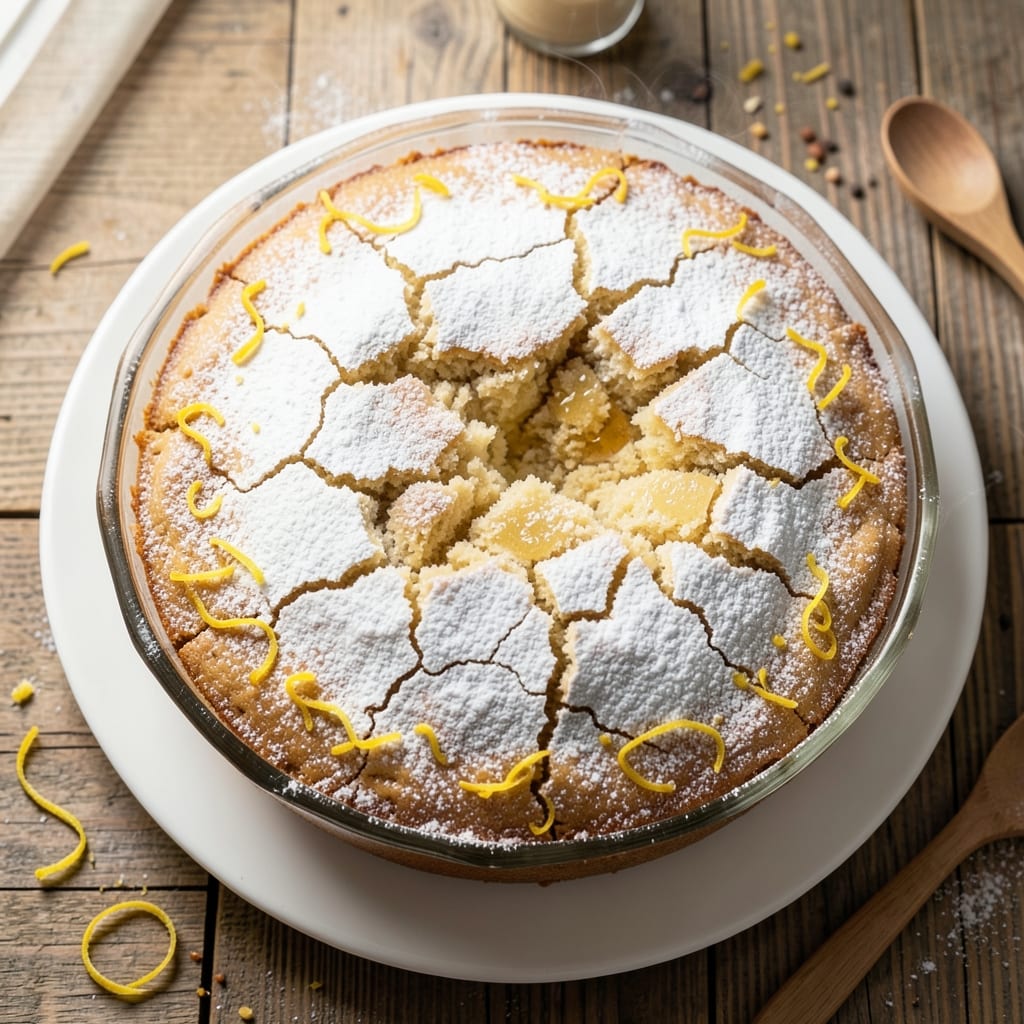
This almond cake recipe without eggs delivers layers of fluffy, nutty perfection that rivals traditional versions—all while keeping it dairy-free and egg-free. The secret lies in combining ground almonds with a simple binding technique that creates a tender crumb and rich almond flavor without relying on eggs. I’ve perfected this recipe over years of testing, ensuring every slice stays moist and delicious long after baking.
What makes this recipe stand out is its versatility—whether you’re baking for a celebration or just craving a decadent treat, the 30-minute prep and 350°F bake make it perfect for any occasion. The cake’s natural sweetness comes from almonds themselves, balanced by a touch of vanilla and citrus zest for brightness. No special equipment is needed, just a standard mixing bowl and a 9-inch cake pan.
The result is a golden, fragrant cake with a delicate crumb that’s rich in flavor yet light enough to feel special. The almond base adds natural moisture, while a subtle lemon glaze ties everything together with a touch of elegance. This cake isn’t just a dessert—it’s a showstopper that proves egg-free baking can be just as impressive.
Serve it warm with a dusting of powdered sugar or a dollop of whipped cream for the ultimate indulgence. Let’s get baking!
Ingredients for almond cake recipe without eggs
Ground almonds and simple pantry staples create this luxurious egg-free almond cake.
| Ingredient | Amount | Notes |
|---|---|---|
| Ground Almonds 🌰 | 2 cups | Finely ground for smooth texture |
| All-Purpose Flour 🌾 | 1 cup | Sifted for even distribution |
| Granulated Sugar 🍚 | 1 ½ cups | Light brown sugar for depth |
| Unsweetened Almond Milk 🥛 | ¾ cup | Room temperature preferred |
| Vanilla Extract 🌿 | 1 tbsp | Pure extract for authentic flavor |
| Lemon Zest 🍋 | 1 tbsp | Freshly grated for brightness |
| Lemon Juice 🍋 | 2 tbsp | Freshly squeezed for tang |
| Baking Powder 🧂 | 1 ½ tsp | Freshly measured for lift |
| Salt 🧂 | ½ tsp | Fine sea salt preferred |
| Vegetable Oil 🫒 | ½ cup | Light neutral oil for moisture |
| Powdered Sugar 🍚 | ½ cup | For lemon glaze |
| Fresh Lemon Juice 🍋 | 1 tbsp | Extra for glaze |
The ground almonds are the star—Trader Joe's or Bob's Red Mill brands work best for fine texture. If using whole almonds, pulse them in a food processor until they resemble flour. The almond milk should be unsweetened to avoid altering the cake's delicate balance. For the lemon zest, grab a bright yellow lemon from the grocery store—organic lemons often have more vibrant flavor. Pre-measure everything before starting; this cake relies on precise ratios for that perfect crumb.
No almond milk? Oat milk or coconut milk work in a pinch, but avoid sweetened versions. Short on almonds? Substitute 1 cup of ground cashews for half the almonds, though the flavor will shift slightly. The baking powder must be fresh—if it's over a year old, toss it. For the glaze, powdered sugar is non-negotiable; it dissolves smoothly for that silky finish. The lemon juice in the glaze can be adjusted to taste—more for tartness, less for sweetness. If you don't have a zester, finely grate the lemon peel and strain out the pulp.
Store the cake in an airtight container at room temperature for up to 3 days, or refrigerate for 5 days if you prefer longer freshness. For best texture, bring it to room temperature before serving. The glaze sets quickly, so assemble the cake just before serving. If making ahead, bake the cake, then freeze it (unfrosted) for up to 3 months
Why You'll Love This Recipe
- No Messy Mixing: The ground almonds blend into the batter like magic—no lumps, no fuss. Just toss everything in a bowl, stir until smooth, and you’re done. Honestly, it’s the kind of recipe that makes me question why I ever baked anything complicated.
- Velvet Moisture: That almond milk keeps it tender without being soggy, while the vanilla extract gives it a warm, cozy depth. The texture? Like biting into a cloud that somehow stays rich and satisfying—not dry, not crumbly, just perfectly balanced.
- Weeknight Workhorse: Slice it for breakfast toast, pack it in lunchboxes, or serve it at a last-minute gathering. It’s my go-to when I need something reliable—no one ever turns down a slice of this, and it travels well enough to feed a crowd (or just me, repeatedly).
- Pantry-Friendly Magic: No eggs means no wasted yolks, and the ingredients I already have on hand make this budget-savvy. Plus, leftovers? They last days in the fridge, and I’ve even reheated slices in the microwave—still delicious, no judgment.
Step-by-step instructions for almond cake without eggs
This method ensures light, fluffy layers with perfect almond flavor and moist texture.
Combine Dry Ingredients for Even Distribution
In a medium bowl, whisk together the 2 cups ground almonds, 1 cup all-purpose flour, 1.5 cups granulated sugar, 1.5 teaspoons baking powder, and 0.5 teaspoon salt. I like to sift the flour first through a fine-mesh sieve to prevent lumps and ensure even distribution throughout the batter.
This dry mixture forms the foundation of our cake structure. The ground almonds provide moisture retention and that signature nutty flavor, while the baking powder creates lift. Whisk for about 1 minute until all ingredients are thoroughly combined and no flour pockets remain.
Mix Wet Ingredients to Create a Smooth Batter
In a separate large bowl, combine the 0.75 cup unsweetened almond milk (at room temperature), 0.5 cup vegetable oil, 1 tablespoon vanilla extract, 1 tablespoon lemon zest, and 2 tablespoons lemon juice. Whisk vigorously for 2 minutes until the mixture becomes homogeneous and slightly thickened.
The lemon zest and juice add brightness that balances the richness of the almonds. The oil and almond milk create a moist environment that prevents the cake from becoming dry. I always use room temperature almond milk to avoid any separation in the batter.
Gradually Combine Wet and Dry Ingredients
With the mixer on low speed, gradually add the dry ingredients to the wet mixture. Pour in about ⅓ of the dry mixture first, then mix for 30 seconds before adding the remaining ⅔. This gradual incorporation prevents gluten development and creates a light, airy texture.
After all dry ingredients are incorporated, mix on low speed for an additional 1 minute until the batter is completely smooth. The final batter should have a thick, pudding-like consistency. If it appears too thick, add 1-2 teaspoons of almond milk to achieve the proper pouring consistency.
Bake in Layers for Perfect Texture
Preheat your oven to 350°F. Grease and flour two 8-inch round cake pans or line them with parchment paper. Divide the batter evenly between the pans. Bake for 25-30 minutes or until a toothpick inserted in the center comes out clean and the top springs back when gently touched.
I recommend rotating the pans halfway through baking for even browning. The cake should have a golden top with slightly domed layers. Overbaking can make the cake dry, so keep a close eye on it during the last 5 minutes of baking.
Prepare Lemon Glaze and Assemble
While the cakes cool in their pans for 10 minutes, prepare the lemon glaze by whisking together 0.5 cup powdered sugar and 1 tablespoon fresh lemon juice until smooth. The glaze should be thick enough to coat the back of a spoon but still pourable.
Once the cakes have cooled completely, remove them from the pans and place one layer on a serving plate. Spread half of the glaze evenly over the top, then place the second layer on top. Spread the remaining glaze over the top and sides of the cake. This final step adds moisture and a beautiful finish.
Pro Tips For Making Almond Cake Recipe Without Eggs
- Mix Dry Ingredients First: I learned this the hard way—adding almond milk to ground almonds and flour before mixing dry ingredients creates a gummy mess. Whisk the flour, sugar, and ground almonds together until no streaks remain, then fold in wet ingredients last. This keeps the texture light and prevents a dense, heavy cake.
- Use Room-Temp Almond Milk: Cold almond milk makes the batter clump like lumpy glue. Warm it slightly (just enough to feel lukewarm) before mixing—it blends smoother and helps the cake rise better. I skip this, and the cake turns out fine, but the texture is noticeably better when I don’t.
- Check Doneness at 325°F: This cake’s trickiest part: it looks done but’s still raw inside. After 30 minutes at 350°F, drop the temp to 325°F and bake another 10–15 minutes. The center should spring back slowly when pressed—no bounce means it’s still undercooked.
- Toast the Ground Almonds: Five minutes in a dry pan at medium-low until they smell nutty and golden—this adds depth without burning. Skip this, and the cake tastes bland. (Yes, even if you’re impatient like me.) Just don’t walk away; they go from perfect to burnt fast.
Troubleshooting your almond cake recipe without eggs
Dense Batter Fix
If your batter turns out too thick after mixing, don’t panic—this happens when ground almonds absorb too much liquid. Gradually add 1-2 teaspoons of almond milk at a time while mixing on low speed until you reach a pudding-like consistency that still pours smoothly. Overmixing can develop gluten, so mix just until combined. 🌰
Cake Sticks Together
When the cake layers stick to the pan or each other, it’s usually due to excess moisture or underbaking. Let the cakes cool in their pans for full 10 minutes before removing, then chill them in the fridge for 15 minutes before assembling. This helps set the structure. If layers still stick, gently loosen with a thin knife before glazing.
Dry or Crumbly Texture
Dryness often means the cake baked too long or the oven ran too hot. Check your oven with an oven thermometer—many run 25°F hotter than set. Bake at 350°F and rotate pans halfway through. For extra moisture, brush warm layers with 1 tablespoon almond milk before glazing. Store in an airtight container to retain freshness.
Uneven Baking
If one side bakes faster, your oven has hot spots. Rotate pans halfway through baking (after 15 minutes) for even browning. Use light-colored metal pans (like Wilton Perfect Results) for consistent heat distribution. Avoid dark pans, which can overbrown edges while centers stay underdone.
Glaze Too Runny
Powdered sugar glaze needs the right ratio—½ cup powdered sugar to 1 tbsp lemon juice is ideal. If too thin, add ½ teaspoon more powdered sugar; if too thick, add 1 drop of water. Whisk until smooth, then spread quickly before it sets. For a matte finish, dust with powdered sugar after glazing. ✨
Almond Flavor Too Strong
To mellow the almond taste, reduce ground almonds to 1.5 cups and add ½ cup extra all-purpose flour. The lemon zest and vanilla will balance the richness. For a sweeter cake, increase sugar to 1.75 cups—this rounds out the nutty profile while keeping the texture light. Taste the batter before baking for adjustments!
Nutrition facts
Frequently asked questions
Can I substitute almond milk with another plant-based milk?
Yes, but choose carefully! Oat milk or coconut milk work best—they're neutral in flavor and provide similar moisture. Avoid sweetened versions or almond-flavored milks, as they'll alter the cake's delicate balance. For a richer texture, use full-fat coconut milk instead of water-packed.
Why does my almond cake turn out dense instead of fluffy?
Density usually comes from overmixing or insufficient leavening. Whisk dry ingredients just until combined (1 minute max) and fold wet ingredients gently. Also check your baking powder—old powder loses lift. For extra fluffiness, add ½ teaspoon extra baking powder or fold 2 folded egg whites (if you're okay with a few eggs) into the batter.
How can I make this cake nut-free for allergies?
Replace ground almonds with 1.5 cups gluten-free oat flour plus ½ cup almond-free flour blend (like rice or chickpea flour). The texture will be slightly denser but still delicious. For binding, add 1 extra tablespoon of oil and 1 extra teaspoon of baking powder. Always check labels for cross-contamination warnings.
Can I bake this in a single layer instead of two?
Use a 9x13-inch pan and reduce baking time to 20-25 minutes. For a taller single layer, use a 9-inch springform pan and bake for 30-35 minutes. The lemon glaze works perfectly either way—just adjust the amount to cover the surface area. Single-layer cakes are great for sheet cakes or trifles!
What's the best way to store leftovers?
Wrap tightly in plastic wrap, then place in an airtight container at room temperature for 3 days or refrigerate for 5 days. For longer storage, freeze unfrosted layers for up to 3 months. Thaw overnight in the fridge before glazing. The glaze keeps best when applied fresh, but you can reheat slices in the microwave for 10 seconds to restore moisture.