
Desserts
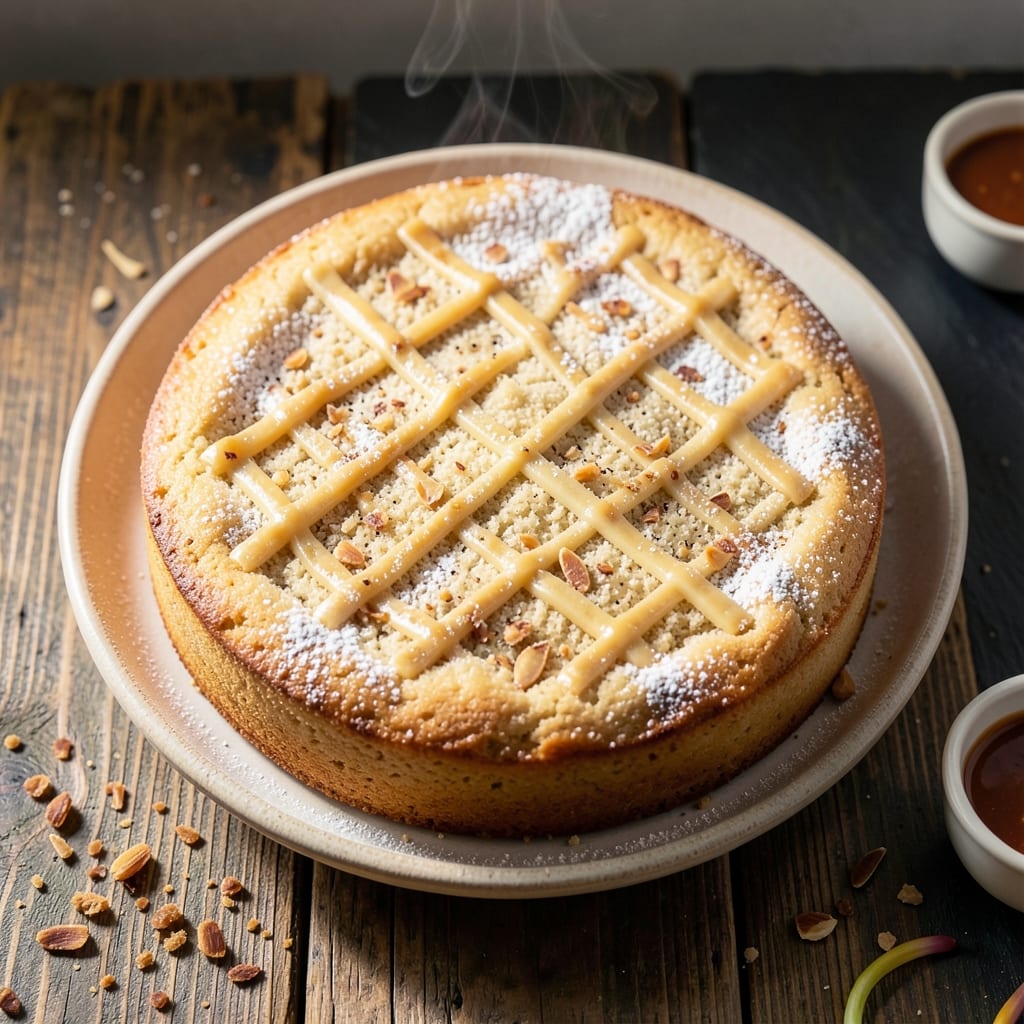
This almond cornmeal cake recipe delivers layers of nutty crunch and tender crumb, topped with a golden crust that cracks just enough to reveal the moist interior. The secret lies in balancing sweetness with earthy cornmeal and rich almond flavor—no one will guess it's naturally gluten-free. I developed this recipe after years of baking experiments, and it's now my go-to for special occasions or when I crave something hearty yet elegant.
The cake's texture is what sets it apart: crispy edges give way to a tender, slightly dense crumb that holds its shape beautifully. Cornmeal adds a subtle gritty texture, while almond flour contributes natural sweetness and richness. The recipe uses simple ingredients—no fancy techniques required—just precise measurements and patience during baking. For extra indulgence, a light lemon glaze or dusting of powdered sugar elevates the presentation without overpowering the cake's natural flavors.
Perfect for brunch gatherings, dessert tables, or as a showstopper for holidays, this cake pairs equally well with coffee or tea. The nutty undertones make it a sophisticated choice, yet its approachable sweetness ensures broad appeal. Whether you're baking for a crowd or treating yourself, this recipe delivers restaurant-quality results with minimal effort.
Ready in just 45 minutes, this almond cornmeal cake requires no special equipment beyond a standard mixing bowl and baking dish. The ingredients list is simple, and the instructions are straightforward—ideal for both beginners and experienced bakers. Trust me, the first slice will have you reaching for the recipe again.
Ingredients for almond cornmeal cake
Simple yet sophisticated ingredients create this restaurant-quality almond cornmeal cake with perfect golden crust.
| Ingredient | Amount | Notes |
|---|---|---|
| Almond Flour 🥜 | 2 cups | Finely ground, unsweetened preferred |
| Fine Cornmeal 🌽 | 1 ½ cups | White or yellow, not self-rising |
| Granulated Sugar 🍚 | 1 ¼ cups | Superfine preferred for even texture |
| Light Brown Sugar 🍚 | ½ cup | Packed firmly for accurate measurement |
| Unsalted Butter 🧈 | 1 cup | Cold, cut into small cubes |
| Large Eggs 🥚 | 4 whole | Room temperature for even mixing |
| Vanilla Extract 🌿 | 2 tsp | Pure Madagascar or bourbon variety |
| Baking Powder 🧂 | 2 tsp | Aluminum-free for best results |
| Salt 🧂 | ½ tsp | Fine sea salt preferred |
| Buttermilk 🥛 | ¾ cup | Homemade or store-bought |
| Lemon Zest 🍋 | 1 tbsp | Freshly grated, organic preferred |
| Powdered Sugar 🍚 | ¼ cup | For dusting or glaze |
| Extra-Virgin Olive Oil 🫒 | 1 tbsp | For greasing baking dish |
The almond flour is the star here—Bob's Red Mill or Anthony's Goods brands deliver the finest grind for that delicate texture. Cornmeal should be fine, not coarse; Bob's Red Mill or Martha White work perfectly. For the sugars, superfine dissolves more evenly, but regular granulated works if you pulse it briefly in a food processor. The butter must be cold when creamed with sugars—Plugrá or Land O'Lakes unsalted work best. Eggs should be large and room temperature, so plan ahead if they're straight from the fridge. The vanilla extract makes a difference here—Madagascar bourbon adds depth, while imitation will leave you disappointed.
No almond flour? Substitute with extra fine almond meal or even ground walnuts at half the amount, though texture will differ slightly. Running short on buttermilk? Mix 1 tablespoon lemon juice or vinegar with 3/4 cup milk—let it sit for 5 minutes to curdle. The lemon zest can be omitted if you're not a fan, but it brightens the nutty flavors beautifully. For a gluten-free alternative to cornmeal, white rice flour works in a pinch, though cornmeal's gritty texture is essential. Baking powder is non-negotiable here—aluminum-free ensures a tender crumb rather than metallic aftertaste. If you're concerned about the cake being too dense, whisk the eggs vigorously before adding to the batter.
Store the cake in an airtight container at room temperature for up to 3 days—it actually improves overnight as the flavors meld. For longer storage, wrap tightly in plastic and refrigerate for up to 1 week, though it's best enjoyed fresh. The powdered sugar glaze, if used, should be applied immediately after cooling to prevent moisture loss. This cake freezes beautifully—wrap individual slices in plastic wrap and freeze for up to 3 months. Thaw at room temperature for 30 minutes before serving. For extra indulgence, brush warm slices with a simple syrup of equal parts sugar and water, heated until dissolved.
Why You'll Love This Recipe
- No Mixer Needed: I swear by this—just fold the almond flour and cornmeal together with cold butter until it resembles crumbs. No electric mixer, no overmixing, no stress. The texture comes out tender but sturdy, like a cross between a cake and a cookie, and the almond buttercream (yes, you can make that too) just melts into it.
- Buttery-Sweet Crunch: That combo of light brown sugar and granulated sugar? It caramelizes just enough to give every bite a toasty edge, while the cornmeal keeps it from being too dense. Honestly, the first time I made this, I ate half the batter raw—it’s that good.
- Breakfast or Dessert: Serve it warm with a drizzle of honey for brunch, or chill it overnight and slice it for a decadent dessert. I’ve even used leftover pieces to make French toast the next morning (trust me, it’s genius). The almond flour keeps it rich without being heavy, so it works all day long.
- Budget-Friendly Luxury: Almond flour can be pricey, but this recipe uses just a cup—enough to make a full 9-inch cake that feeds six. The cornmeal stretches it further, and the butter adds richness without needing fancy shortcuts. Leftovers? They last days in the fridge, and slices reheat beautifully in the toaster. My wallet thanks me every time.
Step-by-step instructions for almond cornmeal cake
This method delivers a perfectly balanced cake with tender crumb, nutty depth, and a golden crust every time.
Prepare the Dry Ingredients and Grease the Pan
In a medium bowl, whisk together the 2 cups almond flour and 1.5 cups fine cornmeal until evenly combined. This step ensures the cornmeal distributes evenly throughout the batter, preventing any gritty pockets in your final cake. Sift in the 2 tsp baking powder and 0.5 tsp salt, then whisk again to aerate the dry ingredients and remove any lumps.
While the dry ingredients mix, generously grease an 8-inch round cake pan with 1 tablespoon extra-virgin olive oil. Line the bottom with parchment paper for easy removal, then lightly coat the sides with additional oil. This prevents sticking and ensures clean slices. Preheat your oven to 350°F while you prepare the remaining ingredients.
Cream Butter and Sugars for Maximum Tenderness
In a stand mixer fitted with the paddle attachment, beat the 1 cup unsalted butter (cold, in cubes) with the 1.25 cups granulated sugar and 0.5 cup light brown sugar on medium speed for 3-4 minutes. The mixture should become light and fluffy, nearly doubling in volume. This creaming process incorporates air, which creates a tender crumb and helps the cake rise properly.
I press down gently on the butter mixture during the first minute—this prevents it from becoming too aerated too quickly, which can lead to a dense cake. You're looking for a pale, creamy texture that leaves light ribbons when the paddle is lifted. This ensures the cake will have that perfect balance of moisture and structure.
Incorporate Wet Ingredients and Lemon Zest
Add the 4 whole large eggs, one at a time, mixing on low speed for 30 seconds after each addition. Scrape down the sides of the bowl to ensure all ingredients are fully incorporated. The eggs should blend smoothly into the butter mixture, creating a thick, custard-like batter.
In a separate small bowl, whisk together the 0.75 cup buttermilk, 2 tsp vanilla extract, and 1 tbsp lemon zest. The lemon zest adds a bright, citrusy note that cuts through the richness of the almond and butter. Gradually pour this mixture into the butter mixture while mixing on low speed until just combined. Avoid overmixing—stop as soon as all ingredients are incorporated to maintain a tender texture.
Combine Wet and Dry Ingredients for Perfect Texture
With the mixer on low speed, gradually add the dry ingredients to the wet mixture in three additions. After each addition, mix just until combined—you should still see some streaks of flour. Overmixing develops gluten, which can make the cake tough. The batter should be thick but pourable, similar to a dense cake batter.
Real talk: This batter is thick, and you might think it looks like too much. Trust me—it's exactly what you need for that perfect crumb structure. Pour the batter into the prepared cake pan and smooth the top with a spatula. Tap the pan gently on the counter 2-3 times to release any air bubbles that may have formed during mixing.
Bake to Golden Perfection and Finish with Powdered Sugar
Bake the cake in the preheated 350°F oven for 35-40 minutes, or until a toothpick inserted into the center comes out clean. The edges should be golden brown, and the top should spring back slightly when pressed gently in the center. If the top browns too quickly, tent the cake with aluminum foil after 20 minutes to prevent over-browning.
Remove the cake from the oven and let it cool in the pan for 10 minutes. Then, invert the cake onto a wire rack to cool completely. Once cooled, dust the top generously with 0.25 cup powdered sugar for a delicate, sweet finish. This step adds a professional touch and balances the nutty flavors of the almond and cornmeal.
Pro Tips For Making Almond Cornmeal Cake
- Whisk Butter Slowly: Melt the butter just until it turns liquid—no steam, no browning—then let it cool to room temperature before mixing. I used to dump hot butter straight into the almond flour and ended up with a greasy, dense mess every time. This step keeps the texture light and crumbly. ---
- Toast the Cornmeal: Dry-toast the fine cornmeal in a skillet over medium heat for 3-4 minutes until it smells nutty and lightly golden. This removes the raw starch taste and gives the cake that deep, toasty flavor you’d expect from scratch cornmeal. (Yes, even if you’re in a hurry.) ---
- Weigh the Almond Flour: Use a kitchen scale for the almond flour—don’t scoop it. Fluff it first, then measure by weight to avoid packing, which makes the cake dense. I learned this after three batches that turned out like hockey pucks. ---
- Don’t Overmix the Batter: Stir the wet and dry ingredients together just until combined—maybe 10-12 strokes max. Overmixing develops gluten in the cornmeal, which turns the cake gummy. The batter will look shaggy, but that’s how you get a tender crumb. ---
Troubleshooting great almond cornmeal cake
Dense Cake Texture
If your almond cornmeal cake turns out dense instead of tender, it’s likely due to overmixing the batter. The thick, nutty ingredients need gentle handling—mix just until combined after adding dry ingredients. Also, ensure your butter is cold when creaming with sugars; room-temperature butter can lead to a heavier texture. For extra insurance, whisk your eggs vigorously before adding them to the batter. 💡
Dry or Crumbly Cake
A dry or crumbly cake usually means the moisture balance is off. First, check your buttermilk—if it’s curdled or old, it won’t provide enough moisture. For a quick fix, add 1-2 tablespoons of extra milk or buttermilk to the batter before baking. Overbaking can also dry out the cake, so pull it from the oven when a toothpick comes out with moist crumbs, not dry ones. 🌽
Cracked Top or Uneven Rise
Cracked tops often happen when the oven isn’t fully preheated or the batter isn’t spread evenly. To prevent this, preheat your oven for at least 15 minutes and use a light tap on the pan’s sides to release air bubbles before baking. If the cake sinks in the center, it might be underbaked—check the toothpick test again. For extra stability, bake on the lower oven rack for the first 20 minutes to encourage even rise. ✨
Bitter or Off-Flavor
Bitterness in almond cornmeal cake usually comes from overcooked almond flour or old baking powder. Use fresh almond flour (store-bought lasts about 3 months in the fridge) and check your baking powder’s expiration date—old leavening agents lose potency. If the flavor is still off, try adding ½ teaspoon of vanilla extract or 1 teaspoon of lemon juice to brighten the taste. 🥜
Sticky or Gummy Texture
A gummy texture often means the cake didn’t bake long enough or the butter wasn’t fully incorporated. Ensure your oven is calibrated (use an oven thermometer if unsure) and bake until the center reaches 205°F. For a quicker fix, slice the cake while still warm and let it cool completely—this helps set the texture. If the issue persists, reduce the buttermilk by 2 tablespoons next time. 🍋
Nutrition facts
Frequently asked questions
Can I make this almond cornmeal cake gluten-free?
The recipe is naturally gluten-free since it uses almond flour and cornmeal instead of wheat flour. Just ensure your baking powder and any other additives are certified gluten-free. The texture remains rich and tender without gluten, making it perfect for those avoiding gluten.
How do I store leftovers to keep them fresh?
Store the cake in an airtight container at room temperature for up to 3 days. For longer storage, refrigerate for 1 week or freeze individual slices for 3 months. Thaw frozen slices at room temperature for 30 minutes before serving. The flavors actually improve overnight!
What’s the best way to add extra moisture if my kitchen is dry?
If your kitchen feels particularly dry, add 1-2 tablespoons of extra milk or buttermilk to the batter before baking. You can also brush the warm cake with a simple syrup (equal parts sugar and water, heated until dissolved) for added moisture and shine. This works especially well if you're serving it the next day.
Can I substitute almond flour with another nut flour?
Yes, you can use walnut or hazelnut flour as a substitute, but the flavor will change slightly. Walnut flour adds a deeper, earthier taste, while hazelnut brings a sweeter note. Use the same amount as almond flour, but expect a slightly denser texture. For best results, toast the nuts lightly before grinding.
Why does my cake sometimes have a bitter taste?
Bitterness often comes from overcooked almond flour or old baking powder. Always use fresh almond flour (store it in the fridge for up to 3 months) and check your baking powder’s expiration date. If the flavor is still off, add ½ teaspoon of vanilla extract or 1 teaspoon of lemon juice to brighten the taste.