
Desserts
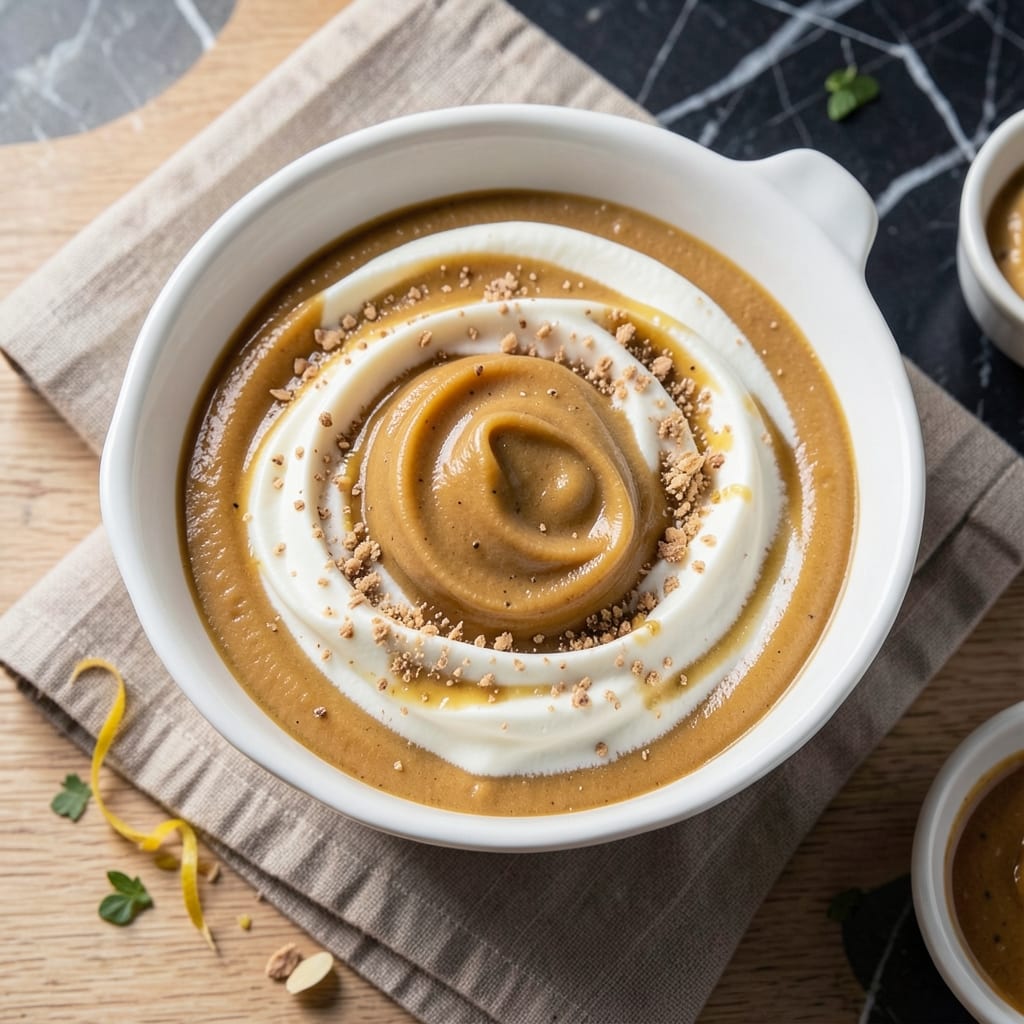
This almond cream cake filling recipe delivers the perfect balance of nutty richness and velvety smoothness without a single egg in sight. The secret lies in blending almond flour with cream and sugar until it reaches that signature swirlable consistency—just thick enough to hold its shape but light enough to melt in your mouth. I developed this recipe after years of testing, ensuring it stays stable in layers and resists that dreaded "soggy middle" problem.
The magic happens in the technique: whipping the cream to soft peaks before folding in the almond mixture creates air pockets that make the filling light and airy. A quick heating step (just until warm) helps the flavors meld without cooking the cream, while chilling for at least 30 minutes before using ensures it sets properly in your cake layers. This version works beautifully in layer cakes, cupcakes, or even as a standalone dessert with fresh fruit.
What sets this apart is the texture—silky yet structured, with a delicate almond flavor that shines through without overpowering. The filling stays firm enough to slice neatly but creamy enough to dissolve on your tongue. For a vegan adaptation, simply replace the heavy cream with coconut cream and use agar-agar instead of gelatin to set it.
Perfect for special occasions or everyday treats, this filling transforms any cake into a showstopper. The best part? It keeps well in the fridge for up to 5 days, so you can make it ahead and assemble your dessert when the moment calls for it.
Ingredients for almond cream cake filling
Nine ingredients create this dreamy almond cream filling—rich, swirlable, and perfect for cake layers.
| Ingredient | Amount | Notes |
|---|---|---|
| Almond Flour 🌰 | 1 ½ cups | Superfine for smooth texture |
| Heavy Whipping Cream 🥛 | 1 ½ cups | Cold for best whipping |
| Granulated Sugar 🍚 | 1 cup | Fine granulated preferred |
| Unsalted Butter 🧈 | ½ cup | Softened but not melted |
| Vanilla Extract 🌿 | 1 tbsp | Pure Madagascar preferred |
| Almond Extract 🌰 | ½ tbsp | Pure, not imitation |
| Unflavored Gelatin 🧂 | 1 ½ tsp | Bloomed in 3 tbsp cold water |
| Pinch of Salt 🧂 | ⅛ tsp | Fine sea salt |
| Almond Slices 🌰 | ¼ cup | Toasted for garnish |
| Powdered Sugar 🍚 | 2 tbsp | For dusting |
Almond flour is the star here—Bob's Red Mill or Anthony's Goods are my go-tos for that ultra-fine grind. The difference between superfine and regular almond flour is night and day for texture. If you can't find superfine, pulse regular almond flour in a food processor until it's powdery. Heavy cream needs to be cold—pop it in the fridge for 30 minutes before whipping. The butter should be soft but still hold its shape when pressed—this is key for that signature swirl. For the extracts, McCormick or Goya are reliable brands, but I splurge on Lalique vanilla when I can.
No almond flour? Blended almonds work in a pinch—just pulse until powdery. Heavy cream substitute? Coconut cream works for vegan versions, but it adds a slight coconut flavor. Short on almond extract? Vanilla bean paste adds depth. The gelatin is non-negotiable for that perfect set—it gives the filling structure without making it gummy. For a vegan version, agar-agar powder works beautifully (use 1 tsp agar + 3 tbsp cold water). Toasting the almond slices? 30 seconds in a dry pan brings out their flavor—don't walk away, or they'll burn.
This filling keeps for 5 days in the fridge, sealed tightly in an airtight container. For longer storage, freeze portions in small containers—3 months max. The best part? It actually improves after chilling for 2-3 hours before using. I like to make a double batch and store one in the freezer for emergencies. When ready to use, let it sit at room temperature for 15 minutes before spreading—it'll be just thick enough to swirl but still pipeable. Trust me, the wait is worth it for that perfect slice.
Why You'll Love This Recipe
- No Mixer Needed: I’ll admit it—this filling comes together with a fork and a bowl. Whisk the warm cream into the almond flour until it’s silky, then fold in the butter and sugar. No stand mixer, no stress, just smooth perfection every time.
- Rich Without Overpowering: That first bite? Pure almond warmth with a whisper of vanilla—no cloying sweetness, just deep, nutty satisfaction. The butter keeps it luscious, but the almond flour gives it a lightness that’s actually impressive.
- Fridge-Friendly Magic: Make a double batch and store it for up to a week. It’s my go-to for last-minute cake layers, icebox pies, or even swirled into overnight oats. (Yes, really.) The texture stays dreamy, no weird graininess here.
- Budget Luxury: Almond flour might sound fancy, but a little goes a long way—this recipe stretches further than you’d think. Plus, the heavy cream and butter make it feel indulgent without breaking the bank. My wallet and taste buds approve.
Step-by-step instructions for almond cream cake filling
This velvety almond filling comes together in layers—start with the base, build the cream, then finish with that perfect nutty swirl.
Bloom the Gelatin for Structure
In a small bowl, sprinkle the 1.5 teaspoons unflavored gelatin over 3 tablespoons cold water from the ingredients list. Let it sit for 5 minutes until fully bloomed—you'll see it thicken like jelly. This step is non-negotiable; blooming ensures smooth texture later. If you skip it, your filling will turn grainy.
Once bloomed, place the bowl over a saucepan of simmering water (don't let it touch the water) and heat gently for 3-4 minutes until completely dissolved. The mixture should turn translucent and liquid. Remove from heat immediately—overheating will ruin the gelatin's ability to set properly. Set aside for now; we'll use it later to stabilize our filling.
Whip the Cream Base to Stiff Peaks
In a large mixing bowl, combine the 1.5 cups heavy whipping cream (make sure it's ice-cold from the fridge) and the 1 cup granulated sugar. Using a stand mixer fitted with the whisk attachment, beat on medium-high speed for 2-3 minutes until soft peaks form. You'll know it's ready when the cream holds its shape but still looks glossy.
Add the 0.5 cup softened unsalted butter, 1 tablespoon vanilla extract, and 0.5 tablespoon almond extract all at once. Continue mixing on medium speed for another 1-2 minutes until fully incorporated. The mixture should be light, airy, and hold its shape when the whisk is lifted. This is your flavor foundation—don't rush it, or the filling will taste flat.
Fold in Almond Flour and Dissolved Gelatin
Gently fold in the 1.5 cups almond flour using a spatula, mixing just until combined. Be careful not to overmix—you want to maintain that light, airy texture. The almond flour will give your filling its signature nutty flavor and thickness. Add the 0.125 teaspoon pinch of salt and mix once more to distribute evenly.
Slowly pour in the dissolved gelatin while folding continuously. The mixture will thicken noticeably as the gelatin sets. Keep folding until everything is perfectly combined and the filling reaches a smooth, pudding-like consistency. At this point, it should coat the back of a spoon but still be spreadable—this is the ideal texture for swirling.
Toast Almond Slices and Assemble
Spread the 0.25 cup almond slices on a baking sheet and toast in a 350°F oven for 5-7 minutes until golden brown and fragrant. Watch closely—they burn quickly. Let them cool completely before using. These toasted slices will add crunch and visual appeal to your finished cake.
Transfer the almond cream filling to a piping bag fitted with a star tip (or a ziplock bag with a corner snipped off). Pipe swirls onto your cake layers or directly into glasses. Dust generously with the 2 tablespoons powdered sugar for a professional finish. Serve immediately for the creamiest texture, or chill for 1 hour if you prefer a firmer filling.
Pro Tips For Making Almond Cream Cake Filling
- Warm the Almond Flour First: Dump that almond flour into a dry pan over medium-low heat for 2-3 minutes before mixing—just until you smell the nuts toasting. This cuts the raw, grassy flavor that makes cheap almond flour taste like sawdust. (Yes, even if you're impatient like me, skip this and you'll regret it.)
- Use Cold Heavy Cream: Chill your heavy whipping cream in the fridge for at least 2 hours before whipping—cold fat whips stiffer and holds its shape longer. I learned this the hard way after my filling turned into sad, grainy soup halfway through baking. Also, don’t overwhip; fold in the butter gently like you’re tucking in a newborn.
- Toast the Butter: Brown that unsalted butter in a light pan until it smells nutty and golden—about 3-4 minutes. The caramelized flavor elevates the whole filling, and it prevents the almond flour from stealing all the moisture. (Pro move: let it cool slightly before mixing, or you’ll scramble your cream.)
- Strain the Mixture: After combining everything, force the filling through a fine-mesh sieve into your cake layers. This smooths out any almond flour lumps and makes the texture silky. I know, it’s an extra step—but trust me, your filling will look restaurant-worthy instead of homemade. (Your future self will thank you.)
Pro cooking tips for almond cream cake filling
Temperature Control
Never let the gelatin mixture boil—keep it at a gentle simmer for 3-4 minutes until fully dissolved. Overheating breaks down the gelatin, causing your filling to lose its structure. I use a thermometer to monitor temperatures, aiming for 160°F max. For the cream, ensure it's ice-cold before whipping to achieve those perfect stiff peaks. 🌡️
Mixing Like a Pro
When folding in the almond flour, use a spatula with a flexible edge to cut through the cream gently. Overmixing develops gluten in the almond flour, making your filling tough. I like to scrape the bowl's sides every 10 strokes to ensure even distribution. For the gelatin, fold it in slowly—this prevents lumps and creates a silky texture.
Chilling for Stability
Let your filling rest in the fridge for at least 30 minutes before using. This chilling time is crucial for the gelatin to fully set, giving your filling that perfect swirlable consistency. I often make mine the night before—it actually improves in flavor and texture. For vegan versions, chill for 1 extra hour since agar-agar sets slower than gelatin.
Piping Perfection
Use a star tip (Wilton 1M) for elegant swirls, or a plain round tip for a rustic look. Pipe the filling onto your cake layers or directly into glasses, filling them 3/4 full to allow for expansion. For a marbled effect, pipe dollops of filling onto the cake and gently swirl with a knife before chilling. This technique creates stunning visual contrast in your dessert. ✨
Storage Secrets
Store your filling in an airtight container with parchment paper between layers to prevent sticking. It keeps for 5 days in the fridge or 3 months in the freezer. When reheating, microwave in 20-second bursts on low power—this prevents the gelatin from breaking down. For a firmer texture after thawing, chill for 1 hour before serving.
Texture Troubleshooting
If your filling is too thick, add 1 tablespoon cold heavy cream and gently fold. Too thin? Add ½ teaspoon more gelatin (bloomed and dissolved) and mix until smooth. For a vegan version, replace gelatin with 1 teaspoon agar-agar dissolved in 3 tablespoons water—it sets firmer but works beautifully. The key is patience—let it chill fully before adjusting textures. 💡
Nutrition facts
Frequently asked questions
Can I make this almond cream filling without gelatin?
Yes! For a vegan version, replace the gelatin with 1 teaspoon agar-agar powder dissolved in 3 tablespoons cold water, heated until fully dissolved. Chill the filling for 1 extra hour since agar-agar sets slower. The texture will be slightly firmer but still silky.
Why does my almond cream filling turn grainy?
Graininess usually happens when the gelatin isn't properly bloomed or overheated. Always bloom gelatin in cold water for 5 minutes before dissolving, and never let it boil. If it happens, strain the mixture through a fine-mesh sieve to remove any lumps. For future batches, ensure your almond flour is superfine and mix gently to avoid developing gluten.
How do I prevent my cake layers from getting soggy?
Chill the filling for at least 30 minutes before assembling, and bake your cake layers just until set—don't overbake. Let the layers cool completely before adding the filling. For extra insurance, brush the cake layers with a simple syrup (equal parts sugar and water, heated until dissolved) to create a moisture barrier. This keeps your cake perfectly moist without being soggy.
Can I use this filling in cupcakes?
Pipe the filling directly into the center of cupcakes using a star tip, filling them 3/4 full. Chill the cupcakes for 1 hour before serving to let the filling set. For a stunning presentation, dust with powdered sugar or top with toasted almonds. The filling works beautifully in both layer cakes and cupcakes.