
Desserts
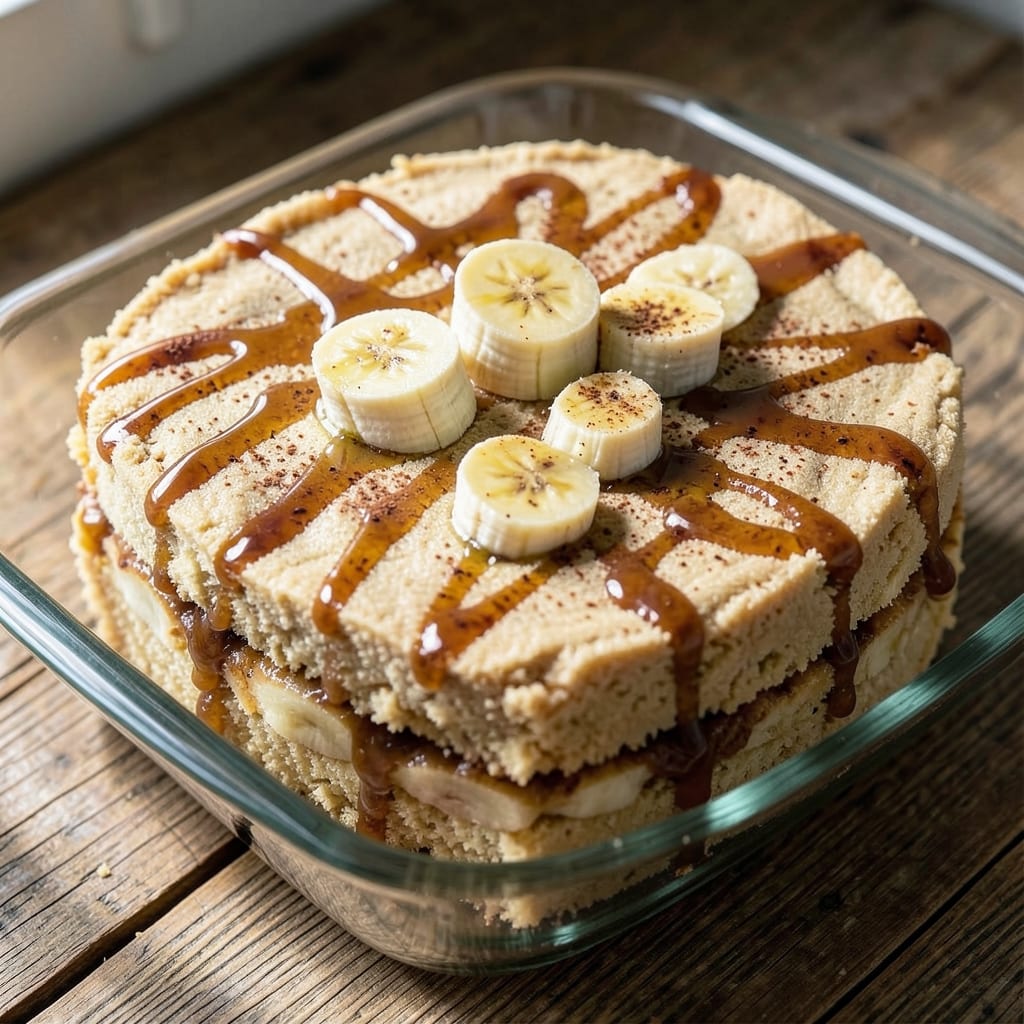
This almond flour banana breakfast cake delivers the perfect balance of fluffy layers and moist texture without any gluten or dairy—ideal for busy mornings or meal prep. The secret lies in blending ripe bananas with almond flour, creating a tender crumb that stays fresh for days. I’ve perfected this recipe to ensure it’s fast to bake while still feeling indulgent, making it a game-changer for health-conscious bakers.
The beauty of this cake is its simplicity: just a handful of ingredients, no complicated techniques, and gluten-free by design. The almond flour gives it a delicate yet sturdy structure, while the bananas keep it incredibly moist—no dry crumbs here. It’s also naturally sweetened, so you can skip the refined sugar without sacrificing flavor. Perfect for breakfast, snacks, or even dessert, this cake adapts effortlessly to your schedule.
What you’ll end up with is a moist, layered cake that’s light yet satisfying, with a subtle nutty flavor from the almond flour. The texture is soft and airy, almost like a cross between a cake and a muffin, making it perfect for slicing into single servings. Top it with a drizzle of nut butter or a dollop of coconut yogurt for extra richness, and you’ve got a breakfast that feels like a treat.
Best of all, this recipe bakes in under 30 minutes, so you can have a fresh, wholesome cake ready in no time. Whether you’re prepping for the week or craving something sweet in the morning, this almond flour banana cake delivers on taste, texture, and convenience. Let’s get baking!
Ingredients for almond flour banana breakfast cake
Just 12 ingredients transform into this magical gluten-free, vegan breakfast cake—moist layers that taste like a dessert but fuel your morning.
| Ingredient | Amount | Notes |
|---|---|---|
| Ripe Bananas 🍌 | 2 cups | Mashed, about 4 medium bananas |
| Almond Flour 🌰 | 2 cups | Finely ground, unsweetened |
| Coconut Sugar 🍯 | ½ cup | Or maple syrup for liquid sweetener |
| Extra-Virgin Olive Oil 🫒 | ½ cup | For moisture and richness |
| Plant-Based Milk 🥛 | ½ cup | Unsweetened almond or oat milk |
| Vanilla Extract 🌸 | 1 tsp | Pure vanilla for flavor depth |
| Baking Powder 🍞 | 1 tsp | Aluminum-free preferred |
| Salt 🧂 | ½ tsp | Fine sea salt |
| Flaxseed Meal 🌾 | 2 tbsp | For egg replacement, mixed with 6 tbsp water |
| Coconut Oil 🥥 | 2 tbsp | Melted for greasing pan |
| Almond Butter 🥜 | ¼ cup | For optional drizzle topping |
| Coconut Yogurt 🥥 | ¼ cup | For optional creamy topping |
| Chopped Nuts 🌰 | ¼ cup | Optional almonds or walnuts for crunch |
The almond flour is non-negotiable here—Bob’s Red Mill or Anthony’s Goods are my go-tos for consistent texture. Ripe bananas are essential; spotty skins mean sweeter flavor. For the coconut sugar, Wholesome! brand keeps it fine and easy to measure. The flaxseed meal is your egg replacement, so mix it with water first—it’ll thicken into a gel that mimics eggs perfectly. If you’re using maple syrup instead of coconut sugar, reduce the plant-based milk by 2 tbsp to balance moisture.
No almond flour? Oat flour or casava flour works in a pinch, but texture will differ slightly. Swap the coconut sugar for date syrup or agave nectar if you prefer. The coconut yogurt topping can be replaced with cashew cream or extra almond butter for a richer drizzle. For extra fluffiness, fold in 1 tbsp apple cider vinegar with the wet ingredients—it’s a game-changer for lift. If you’re short on time, pre-mashed banana from a can works, but fresh is always better.
This cake keeps beautifully—3 days in the fridge wrapped tightly, or 3 months frozen for meal prep. To reheat, microwave 20 seconds or warm in a 200°F oven for 5 minutes. The optional toppings (almond butter, yogurt, nuts) add texture, but the cake is delicious plain too. Store cake layers separately in the fridge if you’re assembling ahead—the magic happens when they’re fresh.
Why You'll Love This Recipe
- I’ll be real: my kitchen often has a sad bunch of overripe bananas lurking in the fruit bowl. This recipe turns them into something irresistible—no waste, no guilt. Plus, the almond flour and olive oil are cheap staples that stretch further than flour-heavy recipes.
- No Muffin Tin Needed: I swear by this trick—just toss everything into a greased loaf pan or even a cast-iron skillet. The bananas get tender, the almond flour soaks up the olive oil just right, and you’re left with a dense, moist cake that doesn’t require a single bowl or whisk.
- Caramelized Banana Magic: Between us, the ripe bananas here aren’t just a filler—they caramelize right into the batter, creating pockets of sweetness that taste like a cross between banana bread and a custardy cake. The coconut sugar? It adds a subtle buttery depth that makes it feel indulgent without being heavy.
- Breakfast or Dessert: Honestly, I’ve served this cold for breakfast with a drizzle of peanut butter, reheated it as a snack with a sprinkle of cinnamon, and even brought it to a potluck as a dessert. The almond flour keeps it light enough for morning but rich enough to satisfy a sweet tooth later.
Step-by-step instructions for almond flour banana breakfast cake
Let's bake this gluten-free, moist masterpiece that delivers breakfast magic in minutes!
👨🍳 Step 1: Prepare the Flax Egg and Prep the Bananas
First, create your flax egg by whisking together the 2 tablespoons flaxseed meal with 6 tablespoons plant-based milk. Let it sit for 5 minutes until it thickens into a gel-like consistency. This is your egg substitute—it's crucial for binding our gluten-free cake.
While that thickens, mash the 2 cups ripe bananas until completely smooth with no lumps. I like to use a fork first to break them up, then press through a fine-mesh sieve to remove any skins. The smoother your banana puree, the more tender your cake will be. Set both mixtures aside—they'll be ready when we need them.
🍳 Step 2: Mix Wet and Dry Ingredients Separately
In a large mixing bowl, combine the 0.5 cup extra-virgin olive oil, 0.5 cup coconut sugar, 0.5 cup plant-based milk, 1 teaspoon vanilla extract, and the flax egg mixture. Whisk vigorously for 1 minute until everything is fully incorporated and the sugar has dissolved completely. The mixture should look smooth and slightly thickened.
In a separate bowl, sift together the 2 cups almond flour, 1 teaspoon baking powder, and 0.5 teaspoon salt. I always sift the dry ingredients to prevent any lumps from forming in our final batter. This step is especially important with almond flour, which can be dense and clumpy. Keep these dry ingredients ready for the next step.
🥘 Step 3: Combine and Bake the Layers
Preheat your oven to 350°F and grease two 8-inch round cake pans with the 2 tablespoons melted coconut oil. Line the bottoms with parchment paper for easy release. Pour half of the wet ingredients into each pan, then divide the dry ingredients evenly between them, alternating with half of the mashed bananas.
Using a spatula, gently fold the dry ingredients into each pan until just combined—you should still see some almond flour streaks. This prevents overmixing, which can make our gluten-free cake dense. Bake for 25-30 minutes until a toothpick inserted in the center comes out clean. The edges should be golden brown while the center remains slightly springy to the touch.
🍽️ Step 4: Assemble and Top with Flavorful Layers
Once both layers are baked and have cooled for 10 minutes in their pans, carefully remove them and let them cool completely on a wire rack. This cooling step is important—it prevents our layers from becoming soggy when assembled. While they cool, prepare your toppings by mixing the 0.25 cup almond butter and 0.25 cup coconut yogurt together until smooth.
To assemble, place one layer on a serving plate and spread half of the almond butter-yogurt mixture on top. Add the second layer and spread the remaining mixture over the top. Sprinkle with the 0.25 cup chopped nuts for added crunch. Slice and serve immediately—this cake is best enjoyed fresh from the oven when the layers are perfectly moist and the flavors are at their peak!
Pro Tips For Making Almond Flour Banana Breakfast Cake
- Mash Bananas Thoroughly: I learned this the hard way—lumpy banana puree means a dense, uneven cake. Use a fork first to break them up, then press through a fine-mesh sieve or blend briefly with the plant-based milk. No food processor? A potato masher works, but put in the effort to get it smooth.
- Preheat Pan 10 Minutes: Almond flour cakes don’t rise like wheat flour ones, but a hot pan (350°F/175°C) guarantees the edges set fast. I skip the preheat on my first batch every time—don’t be me. Let the oven blast for 10 minutes before adding the batter, even if it feels excessive.
- Don’t Overmix the Batter: Stir just until the coconut sugar dissolves and almond flour is barely incorporated. Overmixing introduces too much air, which can make the cake collapse or develop a tough texture. Think "loosely combined," not "whipped to oblivion."
- Use Cold Olive Oil: Sounds weird, but it works: chill the extra-virgin olive oil in the fridge for 15 minutes before measuring. Cold oil blends more evenly into the almond flour, preventing greasy pockets and ensuring a tender crumb. (Yes, even if you’re impatient like me.)
Common mistakes when making your almond flour banana breakfast cake
Overmixing the Batter
This is the #1 mistake I see with gluten-free baking, especially with almond flour. Once you add the dry ingredients to your wet mixture, stop mixing as soon as everything is just combined—you should still see streaks of almond flour. Overmixing develops gluten in the flour (even though it's gluten-free), which makes your cake dense and tough instead of light and fluffy. I promise, it's okay if it doesn't look perfectly uniform! 🌰
Using Unripe Bananas
Unripe bananas will make your cake taste bland and the texture gummy. Always use bananas with brown spots on the peel—the riper, the better! I've learned this the hard way: once, I used green bananas and ended up with a cake that tasted like a sad, starchy pudding. For extra insurance, let your bananas sit at room temperature for 30 minutes before mashing to soften them further.
Skipping the Flax Egg Rest Time
Rushing the flax egg preparation is a big no-no. Those 5 minutes of resting time are crucial for the flaxseed to fully gel and mimic egg behavior. If you skip this, your cake will be dense and may even collapse slightly in the center. Pro tip: While your flax egg is resting, use that time to prep your pans and measure other ingredients—it's the perfect multitasking opportunity!
Incorrect Pan Preparation
Greasing your pans properly is non-negotiable with almond flour cakes. I've seen people use too little oil or forget to line the pans with parchment paper, leading to cakes that stick and tear when removing. Always use 2 tablespoons melted coconut oil and line the bottoms with parchment—this ensures clean slices and maintains that perfect layered structure. Trust me, your patience here will pay off with beautiful presentation!
Baking Time Guesses
Every oven behaves differently, so relying on "eyeballing" your cake's doneness is risky. Instead, use the toothpick test—insert it into the center and wait 5 seconds. If it comes out clean (or with just a few moist crumbs), your cake is done. I've had cakes that looked perfectly baked on the outside but were still raw in the middle because I took them out too soon. Better to bake 2-3 minutes longer than risk underbaking!
Assembling Too Soon
This is where many people rush and end up with soggy layers. Always let your cake layers cool completely on a wire rack before assembling—at least 1 hour is ideal. The warmth from the layers will melt any fillings you add, making them watery. I've learned this through trial and error: patience during assembly makes all the difference in maintaining that perfect texture you worked so hard to achieve! 🍽️
Nutrition facts
Frequently asked questions
Can I substitute almond flour with another gluten-free flour?
Yes! You can use oat flour or cassava flour in a 1:1 ratio, but expect a slightly denser texture. For best results, stick with almond flour—it gives that signature tender crumb. If you're avoiding nuts, try a blend of 1 cup almond flour + 1 cup coconut flour for a lighter result.
How do I make this cake extra moist?
Add 2 tablespoons applesauce or 1 tablespoon yogurt to the wet ingredients for extra moisture. You can also brush the layers with a simple syrup made from 1 tablespoon maple syrup + 1 tablespoon water before assembling. The key is balancing liquid—never skip the flax egg rest time!
Can I bake this in a single layer instead of two?
Use a 9-inch round pan and reduce baking time by 5-7 minutes. For a cupcake version, divide batter into 12 lined muffin tins and bake at 350°F for 18-20 minutes. The single layer will be denser but still delicious—perfect for quick servings!
Why did my cake turn out dry?
This usually happens from overbaking or using unripe bananas. Always check with a toothpick—it should come out with a few moist crumbs, not completely clean. For extra insurance, brush warm layers with warmed coconut milk before assembling. The flax egg must rest 5 minutes too!
How should I store leftovers?
Wrap tightly in plastic wrap or store in an airtight container. It stays fresh for 3 days at room temperature or 5 days refrigerated. For longer storage, freeze layers separately for up to 3 months. To reheat, microwave 10-15 seconds or warm in a 200°F oven for 5 minutes.