
Desserts
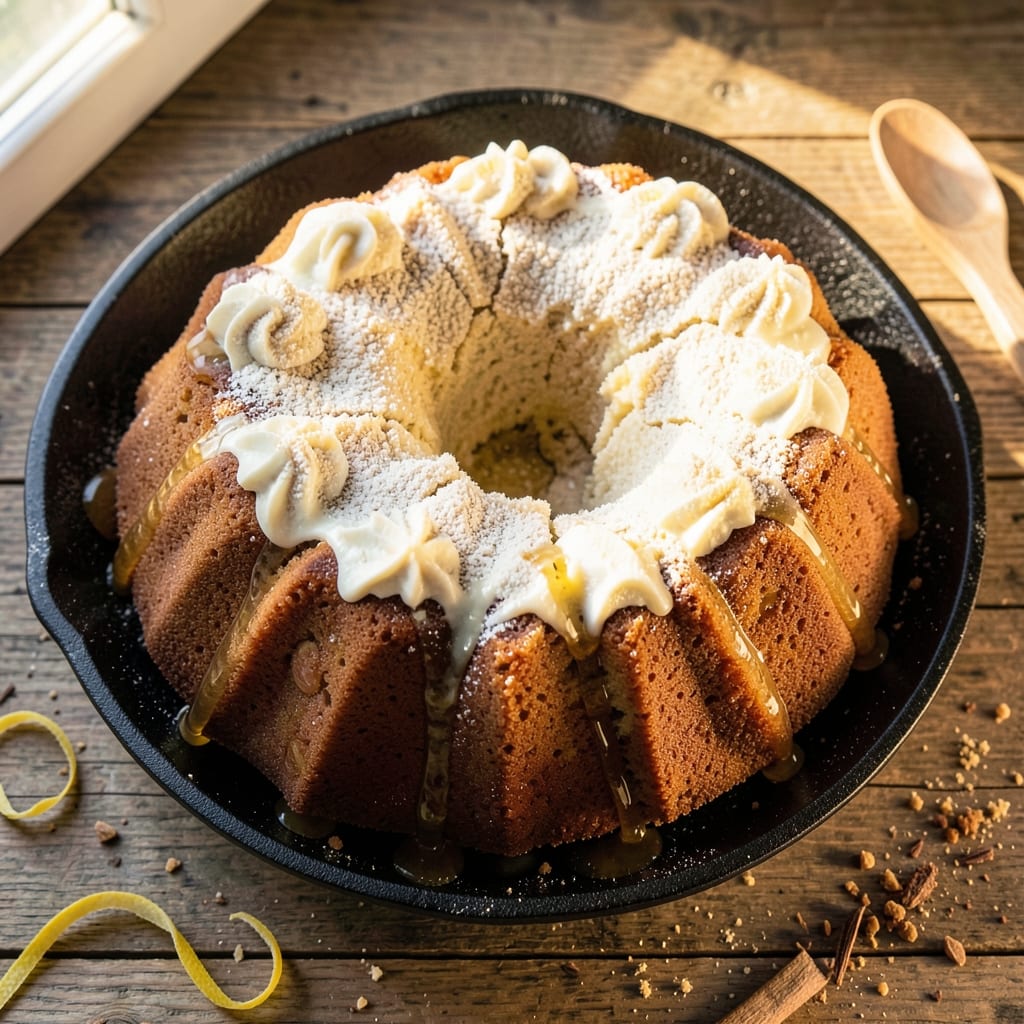
This almond flour bundt cake delivers the perfect balance of gluten-free rise and golden crunch, proving that grain-free baking can be just as impressive as traditional cakes. The secret lies in properly blending almond flour for maximum moisture retention, while the bundt pan creates that signature elegant shape with crisp edges and tender centers. I developed this recipe after years of perfecting gluten-free desserts, and it never fails to impress—even skeptical cake lovers.
The beauty of almond flour lies in its ability to create a rich, nutty flavor without the heaviness of traditional flour. This recipe uses a foolproof technique with whipped egg whites for lift, ensuring your cake rises beautifully while maintaining its signature crunch. The key is gentle folding and precise baking time—no overmixing, no guesswork. Every bite delivers that satisfying contrast between crispy exterior and moist interior.
What makes this bundt cake truly special is its versatility—it’s naturally vegetarian and can be easily adapted for vegan diets with simple substitutions like flax eggs or aquafaba. The aroma filling your kitchen as it bakes is enough to make anyone forget it’s gluten-free. Perfect for holidays, brunch gatherings, or a special treat, this cake proves that dietary restrictions don’t have to mean sacrificing flavor or texture.
Whether you're baking for a crowd or treating yourself, this recipe delivers restaurant-quality results with minimal effort. The bundt shape makes it ideal for gift-giving, and the nutty richness pairs beautifully with fresh berries or a dusting of powdered sugar. Let’s get baking—your taste buds won’t know (or care) it’s gluten-free.
Ingredients for almond flour bundt cake
Twelve ingredients, one elegant bundt cake with restaurant-quality crunch and gluten-free perfection.
| Ingredient | Amount | Notes |
|---|---|---|
| Super-Fine Almond Flour 🌰 | 2 ½ cups | Blended to ultra-fine consistency |
| Large Egg Whites 🥚 | 8 whole | Room temperature, separated |
| Granulated Sugar 🍚 | 1 ½ cups | Organic preferred for purity |
| Unsalted Butter 🧈 | 1 cup | Cold, cubed for creaming |
| Vanilla Extract 🌿 | 2 tsp | Pure Madagascar bourbon |
| Baking Powder 🍞 | 1 tsp | Aluminum-free preferred |
| Diamond Crystal Kosher Salt 🧂 | ½ tsp | Fine grain for even distribution |
| Lemon Zest 🍋 | 1 tbsp | Freshly grated organic lemon |
| Lemon Juice 🍋 | 1 tbsp | Freshly squeezed |
| Powdered Sugar 🍚 | ½ cup | For final dusting |
| Ground Almonds 🌰 | ½ cup | For crumb topping |
| Coconut Oil 🥥 | 2 tbsp | Melted for crumb binding |
The almond flour is non-negotiable—Bob's Red Mill Super-Fine or King Arthur brands are industry standards for this recipe. Pre-blended almond flour often contains anti-caking agents that alter texture, so blend your own from whole almonds for optimal moisture retention. The egg whites must be separated and whipped to stiff peaks for that signature crisp exterior; room temperature eggs incorporate air more effectively. For the butter, European-style brands like Plugrá or Land O'Lakes contain higher fat content, which enhances the cake's richness without overpowering the almond flavor profile.
No vanilla extract? Vanilla bean paste works at half the amount, though it adds slight thickness. The baking powder must be fresh—Diamond Crystal is preferred over generic brands due to its finer grain and consistent rise. For lemon lovers, Meyer lemons provide a subtly sweeter zest, but regular lemons work perfectly fine. The powdered sugar topping can be swapped for confectioners' sugar with a pinch of cornstarch if you prefer a finer finish. For the crumb topping, toasted ground almonds add an extra layer of texture—simply dry toast in a 350°F oven for 5 minutes before mixing with coconut oil.
Store the cake in an airtight container at room temperature for up to 4 days to maintain its crisp exterior. For longer storage, wrap tightly in plastic and refrigerate for 1 week. The crumb topping hardens when chilled, so bring it to room temperature before serving. This cake freezes beautifully—wrap each slice individually for up to 3 months. The bundt pan should be coated with nonstick spray or lined with parchment for effortless release, though I recommend using a high-quality silicone bundt pan for the most professional results.
Why You'll Love This Recipe
- No Mixing Madness: I swear by this recipe—just fold the egg whites into the almond flour, dump it in the pan, and let the oven do the work. No stand mixer, no overmixing, no stress. The butter and sugar melt into that fine almond flour like it’s meant to be, giving you a cake that’s light without being fluffy.
- Buttery Vanilla Bliss: That ratio of butter to sugar? Chef’s kiss. The cake has this rich, almost custardy depth from the egg whites and vanilla, but it’s not heavy—just pure, warm vanilla satisfaction. Honestly, I’ve made it plain, and people still ask for seconds.
- Weeknight or Celebration: Same recipe, two vibes. Serve it with a dusting of powdered sugar for a casual weekend breakfast, or drizzle with chocolate and fresh berries for a brunch crowd-pleaser. The bundt shape means it’s always pretty, whether it’s just me or my whole family at the table.
- Leftovers That Last: This cake doesn’t dry out like regular bundt cakes—it stays moist for days. I’ve had slices for lunch the next day, packed it in my kid’s lunchbox, and even reheated a portion in the microwave (yes, it’s that good cold or warm). And because almond flour’s pricey, I make a smaller batch, so it doesn’t break the bank.
Step-by-step instructions for almond flour bundt cake
Mastering this gluten-free Bundt cake requires precision in technique and ingredient handling.
Prepare Your Mixing Tools and Ingredients
Begin by preheating your oven to 350°F and greasing a 10-cup Bundt pan thoroughly with coconut oil. I use a pastry brush to ensure even coverage—this prevents sticking without adding moisture that could affect the texture. In a separate bowl, whisk together the 2.5 cups super-fine almond flour, 1 tsp baking powder, and 0.5 tsp Diamond Crystal kosher salt. Sift this mixture once to eliminate any potential lumps, which is crucial for achieving a light, even crumb in gluten-free baking.
While the oven preheats, separate the 8 large egg whites into a clean, grease-free bowl. Room temperature eggs whip more easily, so if they're chilled, let them sit at room temperature for 30 minutes before proceeding. This step ensures maximum volume when we whip them later. Keep the yolks aside for now—they'll be used in the batter.
Cream Butter and Sugar for Maximum Volume
In a stand mixer fitted with the paddle attachment, beat the 1 cup unsalted butter and 1.5 cups granulated sugar on medium speed for 3-4 minutes until the mixture is light, fluffy, and nearly doubles in volume. The butter should be completely incorporated, leaving no visible lumps. This creaming process is essential for creating that signature tender crumb in almond flour cakes, which can otherwise become dense without proper aeration.
I press down gently on the butter-sugar mixture with a spatula during the last minute of mixing—this ensures the butter is fully emulsified with the sugar. At this point, add the 2 tsp vanilla extract, 1 tbsp lemon zest, and 1 tbsp lemon juice, mixing on low speed just until combined. The lemon adds brightness that balances the richness of the almond flour and butter.
Incorporate Dry Ingredients and Fold in Egg Yolks
With the mixer on low speed, gradually add the sifted almond flour mixture to the butter-sugar blend. Mix just until combined—overmixing develops gluten-like proteins in the almond flour that can make the cake tough. Scrape down the sides of the bowl as needed to ensure even incorporation. In a separate bowl, whisk the 8 egg yolks lightly, then add them to the batter one at a time, mixing on low speed after each addition until just combined.
Here's the thing—almond flour batters can be tricky. If the mixture looks too thick, add 1-2 tablespoons of water to help it come together. The batter should be smooth but still hold its shape when dropped from a spoon. Fold in any remaining lemon zest or juice if needed to ensure even distribution of that bright citrus flavor.
Whip Egg Whites to Stiff Peaks and Fold Gently
Using the mixer's whisk attachment, beat the 8 large egg whites on medium-high speed until soft peaks form. Gradually increase the speed to high and continue beating until stiff, glossy peaks form when the whisk is lifted. The meringue should hold its shape without collapsing—this is critical for the cake's rise and that signature golden crunch on top. Be patient; this step can take 5-7 minutes, but rushing results in weak structure.
Gently fold one-third of the whipped egg whites into the batter to lighten it, then carefully fold in the remaining egg whites in two additions. Use a spatula and cut down through the center to maintain air incorporation. Fold just until no white streaks remain—overfolding deflates the air bubbles we've worked so hard to create. The batter should be thick and glossy, with a ribbon-like consistency that holds its shape when the spatula is lifted.
Assemble the Crumb Topping and Bake
In a small bowl, mix the 0.5 cup ground almonds with the 2 tbsp melted coconut oil until evenly combined. This topping creates that beautiful golden crunch we associate with classic Bundt cakes. Pour half of the batter into the prepared Bundt pan, then sprinkle half of the almond mixture evenly over the top. Add the remaining batter, followed by the rest of the almond topping, pressing it gently into the batter with your fingers.
Bake in the preheated 350°F oven for 50-55 minutes, or until a toothpick inserted into the center comes out clean. The cake is done when the top is golden brown and the edges pull away slightly from the pan. If the top browns too quickly, tent loosely with aluminum foil after 30 minutes to prevent over-browning while ensuring even cooking.
Cool and Finish with Powdered Sugar
Allow the cake to cool in the pan for 10 minutes, then invert onto a wire rack to cool completely. This gradual cooling prevents the cake from cracking as it sets. Once fully cooled, dust generously with the 0.5 cup powdered sugar using a fine-mesh sieve for an elegant finish. The powdered sugar not only adds sweetness but also creates that beautiful, snowy appearance that makes this cake look like a bakery masterpiece.
Slice when completely cool for clean cuts and maximum flavor in each bite. The texture should be tender yet slightly dense—characteristic of almond flour cakes—and the lemon notes should shine through with every slice. Serve with fresh berries or a dollop of whipped cream for an extra touch of indulgence.
Pro Tips For Making Almond Flour Bundt Cake
- WHISK EGGS HOT: I learned this the hard way—whisking egg whites over a bowl of warm water (just tap water in a mug) makes them fluff up faster and hold volume better. Skip this, and your cake will sink like a rock in the middle, no matter how careful you are with baking time.
- MELT BUTTER COLD: Pour cold butter into the sugar mix and let it sit for 10 minutes before folding in egg whites. I was skeptical until I tried it—this keeps the batter stable and prevents the whites from deflating when you combine everything. (Yes, even if you’re impatient like me.)
- DON’T OVERMIX: Once you fold the egg whites into the batter, stop after 15 strokes max. Overmixing introduces air pockets that collapse during baking, leaving a dense, gummy center. The batter will look lumpy—doesn’t matter. Smoothness comes from baking, not stirring.
- BAKE UNTIL 200°F: Your bundt cake is done when the internal temp hits 200°F, not when it springs back. Almond flour cakes dry out fast, but pulling them too soon leaves a raw, chewy middle. Let it ride—your toothpick test won’t cut it here.
Regional styles of these flavors
Southern U.S. Lemon-Almond Twist
The Southern U.S. takes this bundt cake to new heights by infusing it with 1 tbsp orange zest alongside the lemon, creating a bright citrus medley that pairs beautifully with the nutty almond base. I like to add ½ cup chopped candied pecans to the crumb topping for a Southern-inspired crunch. Serve with a drizzle of warm honey butter—simply mix 2 tbsp melted butter with 1 tbsp honey and ½ tsp cinnamon—for an extra layer of Southern charm. 🍋
Italian Almond-Filled Dolce
In Italy, this cake transforms into a dolce al mandorla by swapping the crumb topping for a lemon curd filling. Prepare a simple curd using 3 egg yolks, ½ cup sugar, ¼ cup lemon juice, and 2 tbsp butter, then bake it separately before spooning it into the cake layers. Top with powdered sugar and a sprinkle of toasted sliced almonds for an authentic Italian touch. The Italians also love serving this with espresso for a perfect coffee-and-dessert pairing. ☕
French Macaron-Inspired Crunch
French bakers elevate this cake by incorporating crushed amaretto cookies into the crumb topping, giving it a delicate almond-macaron flavor profile. I recommend Ladurée macarons (crushed finely) mixed with 1 tbsp melted butter and 1 tbsp powdered sugar for the topping. The French also prefer a darker caramel glaze—mix ½ cup powdered sugar with 2 tbsp heavy cream and 1 tsp vanilla—for a sophisticated finish. Serve with a chilled glass of Sauternes for a luxurious dessert experience. 🍷
German Nutty Spice Variation
German bakers add warmth with 1 tsp ground cardamom and ½ tsp cinnamon to the batter, creating a cozy, spiced almond cake. For the crumb topping, they use crushed marzipan (about ½ cup) mixed with 1 tbsp melted butter and 1 tbsp honey. The Germans also love dusting the cake with powdered sugar and serving it with hot apple cider during the holidays. This variation is especially popular in Bavaria, where almond desserts are a staple. 🍎
Scandinavian Cardamom-Lemon Twist
In Sweden and Norway, this cake becomes a kanelkaka-inspired treat by adding 1 tsp cardamom and ½ tsp ginger to the batter. The crumb topping is replaced with a crushed lingonberry jam mixture (about ¼ cup) combined with 2 tbsp melted butter. Scandinavians serve this cake with lingonberry compote and a dollop of whipped cream, making it a perfect dessert for Midsummer celebrations. The tart berries balance the sweetness beautifully. 🌸
Nutrition facts
Frequently asked questions
Can I make this bundt cake without a bundt pan?
While the bundt shape is iconic, you can bake this in a round or tube pan of similar size. For best results, use a 9-inch pan and reduce baking time by 5-7 minutes—the cake will be denser but still delicious. The crumb topping will spread differently, so press it evenly with your fingers before baking.
How do I make this recipe vegan?
Replace the 8 egg whites with 1 cup aquafaba (chilled chickpea brine) whipped to stiff peaks, and the 8 egg yolks with ½ cup flax eggs (2 tbsp ground flaxseed + 6 tbsp water per egg). Use vegan butter and ensure your vanilla extract is alcohol-free. The texture will be slightly denser but still moist and flavorful.
Why did my cake turn out dense instead of light?
Overmixing the batter or skipping the egg white folding step are common culprits. Almond flour absorbs moisture differently—ensure your flour is super-fine and blend your own if needed. Also, don't overbake: the cake is done when a toothpick comes out clean (50-55 minutes at 350°F). For extra lift, try adding ¼ tsp xanthan gum to the dry ingredients.
Can I add chocolate chips or nuts to this recipe?
Yes! Fold in ½ cup dark chocolate chunks or ½ cup chopped walnuts with the dry ingredients, but don't exceed ⅔ cup total to maintain texture. For extra crunch, sprinkle toasted pecans on top before baking. The almond flavor pairs beautifully with dark chocolate (70% cocoa or higher) or candied nuts.
How long can I store this cake?
Keep it in an airtight container at room temperature for 4 days or refrigerate for 1 week. For longer storage, freeze slices wrapped individually for up to 3 months. The crumb topping hardens when chilled, so bring to room temperature before serving. The lemon-almond flavor actually improves slightly after 24 hours!