
Desserts
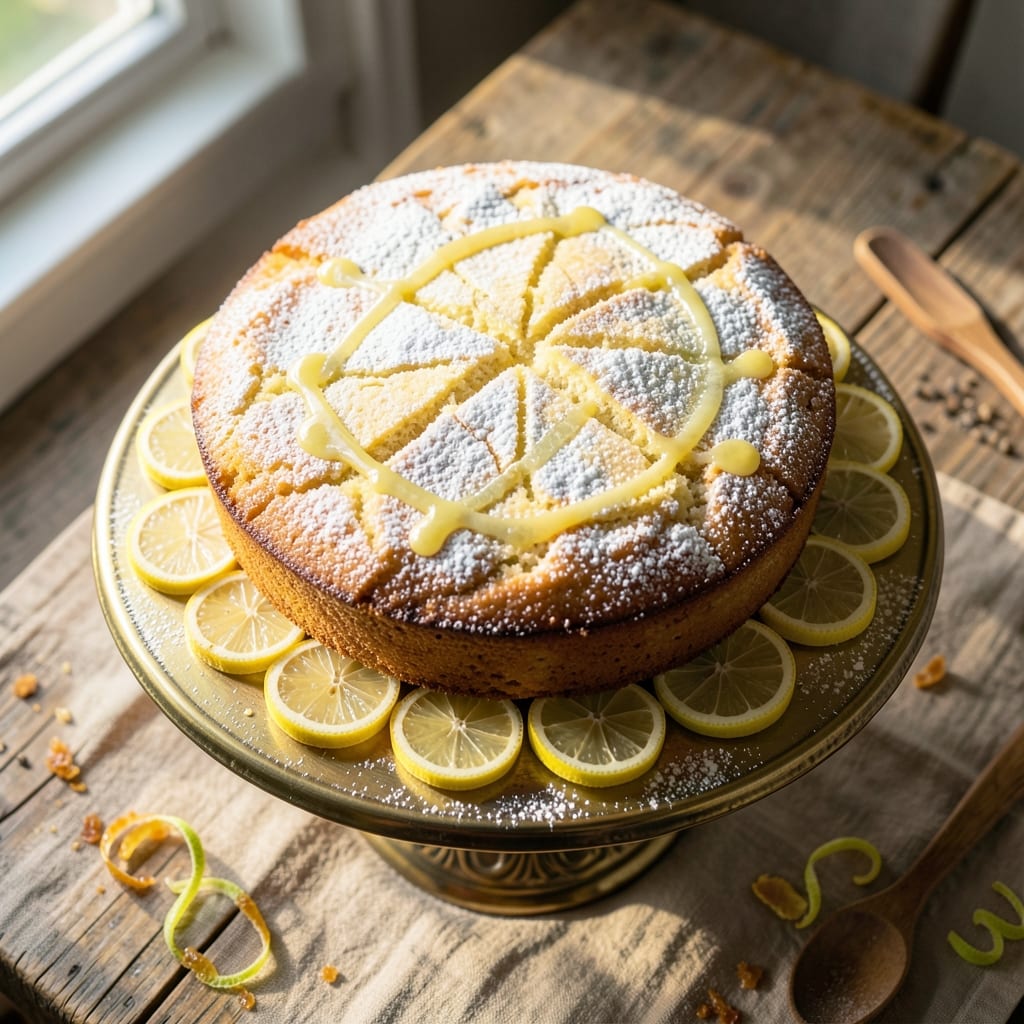
This almond flour lemon pound cake delivers a bright citrus flavor and ultra-moist crumb that stays tender for days. The secret lies in almond flour’s ability to create a delicate yet sturdy texture while lemon zest and juice infuse every layer with zesty freshness. I developed this recipe after struggling with dry almond flour cakes—this version solves that problem with a few key adjustments.
The cake’s magic comes from a combination of almond flour, eggs, and a touch of honey to maintain moisture without heaviness. Lemon juice and zest create that signature tangy brightness, while a simple glaze ties everything together with a glossy finish. Unlike traditional pound cakes, this version bakes in 350°F for 40-45 minutes, ensuring a golden crust and perfectly set center.
What makes this recipe stand out is its foolproof approach—no fancy techniques required. The almond flour gives it a naturally tender crumb, while the lemon keeps it from being too dense. Once baked, you’ll have layers of citrusy flavor and a texture that’s moist yet light, perfect for slicing or layering with cream cheese frosting.
Whether you’re baking for a celebration or a simple weekend treat, this cake delivers restaurant-quality results without the fuss. The lemon’s natural acidity balances the richness of the almond flour, creating a dessert that’s both elegant and approachable. Let’s get started!
Ingredients for almond flour lemon pound cake
Bright citrus meets tender crumb—just these 12 ingredients transform your kitchen into a bakery.
| Ingredient | Amount | Notes |
|---|---|---|
| Almond Flour 🌰 | 2 ½ cups | Finely ground, unsweetened preferred |
| Granulated Sugar 🍚 | 1 ½ cups | Superfine for smooth texture |
| Large Eggs 🥚 | 4 whole | Room temperature for even baking |
| Unsalted Butter 🧈 | 1 cup | Melted, full-fat for richness |
| Lemon Zest 🍋 | 2 tbsp | Fresh, vibrant yellow preferred |
| Fresh Lemon Juice 🍋 | ½ cup | Strained for smooth texture |
| All-Purpose Flour 🌾 | ½ cup | Balances almond flour texture |
| Baking Powder 🧂 | 2 tsp | Aluminum-free preferred |
| Salt 🧂 | ½ tsp | Fine sea salt preferred |
| Pure Vanilla Extract 🌿 | 1 tsp | High-quality for flavor |
| Light Corn Syrup 🍯 | ¼ cup | Maintains moisture (or honey) |
| Powdered Sugar 🍚 | ½ cup | For glaze (plus 1 tbsp lemon juice) |
Almond flour is the star here, so don’t skimp—cheap or clumpy brands ruin the texture. Bob’s Red Mill or Anthony’s Goods are my go-tos, but any finely ground almond flour works. Fresh lemons make all the difference—organic lemons from Trader Joe's have the best zest. The corn syrup (or honey) keeps this cake moist for days, which is why I ditched the dry versions I used to make. Pro tip: weigh your almond flour if you can—it’s lighter than regular flour, and volume measurements can be tricky.
No almond flour? Substitute with 1 cup ground walnuts plus 1 cup all-purpose flour, but the texture won’t be identical. Ran out of corn syrup? Honey or maple syrup works 1:1, though it’ll add a slight sweetness. Fresh lemon juice is non-negotiable—bottled juice lacks the brightness. For the glaze, powdered sugar and lemon juice is foolproof, but if you’re feeling fancy, add 1 tsp lemon extract for extra zing. The vanilla extract should be pure—imitation stuff tastes like perfume.
This cake keeps beautifully—3 days at room temperature wrapped in plastic, or 5 days in the fridge for maximum freshness. For longer storage, slice and freeze portions on a tray before bagging—thaws in 10 minutes. The glaze sets as it cools, so don’t rush slicing. Leftovers? Toss them in the toaster for a quick lemon pound cake French toast. Trust me, it’s a game-changer.
Why You'll Love This Recipe
- No Mixer Needed: I swear by this recipe when I forget to pull out my stand mixer—just cream the butter and sugar by hand, crack in those eggs, and fold in the almond flour. The texture turns out light anyway, like some kind of magic.
- Zesty Magic: That lemon zest? It’s the star. Bright, citrusy, but not overpowering—just enough to make every bite taste like a sunlit afternoon. Honestly, the butter and sugar combo makes it rich enough to stand up to the acidity.
- Make-Ahead Hero: Bake it Sunday, and it’ll still be moist by Thursday. I slice it for breakfast with Greek yogurt or pack it for lunches—no one ever guesses it’s been sitting around for days. (Yes, even on a Tuesday night.)
- Budget-Friendly Luxury: Almond flour might seem pricey, but a little goes a long way, and the flavor makes it feel like a fancy dessert without the cost. Plus, the leftovers? They disappear faster than my willpower around cake.
Step-by-step instructions for almond flour lemon pound cake
This cake delivers that perfect balance of tender crumb and bright citrus flavor—no dryness here.
Prep Ingredients and Preheat Oven
Start by preheating your oven to 350°F. While it heats, melt the 1 cup unsalted butter in a microwave-safe bowl in 30-second intervals, stirring between each, until completely smooth. I like to strain the melted butter through a fine-mesh sieve to remove any potential solids—this gives you an ultra-smooth texture.
In a separate bowl, whisk together the 2.5 cups almond flour, 0.5 cup all-purpose flour, 2 tsp baking powder, and 0.5 tsp salt. This dry mix should be completely combined with no flour streaks remaining. Measure out the 1.5 cups granulated sugar and 0.25 cup light corn syrup in another bowl—these will help keep the cake moist.
Mix Wet Ingredients for Maximum Moisture
In a large mixing bowl, beat the 4 whole large eggs at medium speed until they're light and slightly frothy—about 2 minutes. Add the 1.5 cups granulated sugar and 0.25 cup light corn syrup, mixing until fully incorporated. The batter should thicken slightly and become pale yellow.
Slowly pour in the melted butter while mixing on low speed. Then add the 2 tbsp lemon zest and 1 tsp pure vanilla extract, mixing until the zest is evenly distributed. Finally, add the 0.5 cup fresh lemon juice and mix just until combined. This step is crucial for that perfect citrus brightness without overmixing the batter.
Combine Wet and Dry Ingredients
With the mixer on low speed, gradually add the dry ingredient mixture to the wet ingredients. Mix just until combined—you should still see some flour streaks. Overmixing develops gluten and can make the cake dense. Once combined, fold in the dry ingredients using a spatula to ensure everything is evenly distributed.
Here's the thing—this batter will be thick, almost like cookie dough. That's normal! The almond flour absorbs more liquid than regular flour. Don't be tempted to add extra liquid—this is what gives us that ultra-moist crumb. Pour the batter into two 8-inch round cake pans lined with parchment paper and greased lightly with butter.
Bake Until Golden and Springy
Bake the cakes in the preheated oven for 40-45 minutes or until a toothpick inserted in the center comes out clean. I usually check at the 35-minute mark—the cakes should be golden brown on top and pulling away slightly from the sides of the pan. If the tops brown too quickly, tent them loosely with aluminum foil.
Don't open the oven door during baking—this causes the cakes to sink. The cakes are done when they've risen slightly above the pan edges and have a springy texture when touched gently in the center. Let them cool in the pans for 10 minutes before transferring to a wire rack to cool completely.
Glaze and Serve for Maximum Freshness
While the cakes cool, make the glaze by whisking together the 0.5 cup powdered sugar and 1 tbsp fresh lemon juice (I use the remaining juice from our earlier step) until smooth. This glaze adds that perfect sweet-tart finish.
Once the cakes are completely cool, place one cake layer on a serving plate and spread half of the glaze over the top. Add the second layer and spread the remaining glaze on top and sides. Let the glaze set for 10-15 minutes before slicing. Serve immediately for the most moist texture—this cake is best enjoyed fresh from the oven!
Pro Tips For Making Almond Flour Lemon Pound Cake
- WEIGH YOUR ALMOND FLOUR: Almond flour is fickle—don’t eyeball it. A cup of almond flour isn’t the same as a cup of all-purpose flour (it’s actually about 100g). Pack it lightly into your measuring cup and level it off—no pressing, or your cake will turn dense. I learned this the hard way when my first batch collapsed like a sad soufflé.
- ROOM-TEMP EGG BUTTER: Take your eggs and butter out of the fridge 30 minutes before mixing. Cold butter creates pockets in the batter, and cold eggs won’t emulsify properly, leading to a cake that’s more like a brick. I used to skip this, and my cakes always needed extra baking time to set—now they rise smoothly and stay tender.
- DON’T OVERMIX THE BATTER: Once you fold in the dry ingredients, stop after 10-12 strokes. Almond flour releases gluten when overworked, and your cake will turn tough instead of light. I was guilty of mixing until it looked "done," but the texture suffered—now I count strokes like a boss.
- BAKE UNTIL 200°F INTERNAL: Your cake’s done when the center hits 200°F, not when it springs back. Almond flour cakes dry out faster than wheat-based ones, so resist the urge to pull it early. I’ve had to salvage underbaked cakes by microwaving them, and it’s a sad, gummy mess—trust the thermometer.
Serving suggestions for leftovers
Classic Lemon Cream Pairing
Top your cake layers with a light lemon cream cheese frosting—whisk 4 oz cream cheese, 2 tbsp powdered sugar, and 1 tbsp fresh lemon juice until smooth. Spread between layers and on top for a tangy contrast that complements the almond flour’s richness. For extra flair, dust with powdered sugar or add a sprinkle of toasted almond slivers. 🍋
Fresh Berries Brighten
Serve slices with a vibrant berry medley of raspberries, blueberries, and sliced strawberries. The acidity from the berries enhances the lemon flavor while adding a pop of color. Arrange them in a circular pattern on the plate for an elegant presentation. I like to drizzle a little honey over the berries for a subtle sweetness.
Creamy Mascarpone Twist
For a luxurious touch, serve with mascarpone whipped cream—fold ½ cup mascarpone, 1 tbsp powdered sugar, and 1 tsp vanilla extract until light and fluffy. Pipe swirls around the cake or dollop on top for a restaurant-worthy finish. The creaminess balances the cake’s moisture while adding a velvety texture.
Warm Spiced Tea
Pair your cake with a warm Earl Grey tea or chamomile tea—the bergamot notes in Earl Grey elevate the lemon flavor, while chamomile adds a soothing contrast. For a non-caffeinated option, try hibiscus tea with a splash of honey. Serve in delicate teacups to enhance the dessert’s elegant vibe.
Toasted Almond Crunch
Add a crunchy element with toasted sliced almonds—toss ½ cup almond slices in a dry skillet over medium heat for 3-4 minutes until golden. Sprinkle them over the cake or frosting for texture and a nod to the almond flour base. This adds a satisfying bite that cuts through the cake’s softness.
Citrus-Inspired Garnish
Garnish with thin lemon slices or a lemon zest twist for a fresh, aromatic touch. For a more dramatic presentation, use a zester to create delicate lemon lace patterns on top of the frosting. A few edible lemon flowers** (available at specialty stores) add a whimsical flourish that ties the citrus theme together beautifully.
Nutrition facts
Frequently asked questions
Why does this recipe use both almond flour and all-purpose flour?
Almond flour creates that signature tender, moist crumb but can be dense on its own. The 0.5 cup all-purpose flour adds structure while keeping the cake light. Think of it as the perfect balance—almond flour for richness and flavor, regular flour for lift.
Can I make this cake without corn syrup? What's the best substitute?
Swap the 0.25 cup corn syrup with 0.25 cup honey or maple syrup for a natural alternative. Honey adds subtle floral notes while keeping the cake ultra-moist. Just remember—syrup keeps it tender longer than sugar alone.
How do I know when the cake is fully baked?
Look for two key signs: a toothpick inserted in the center should come out clean, and the cake should pull away slightly from the pan edges. The top should be golden brown, but don't overbake—almond flour cakes dry out faster than traditional cakes. Check at 35 minutes if possible.
Can I bake this in a single 9-inch pan instead of two 8-inch pans?
I don't recommend it—the batter won't rise as evenly, and you risk a dense center. If you must, reduce the oven temperature to 325°F and bake for 50-55 minutes, checking frequently. For best results, stick with the two 8-inch pans for perfect layers.
What's the secret to keeping this cake moist for days?
The magic trio: corn syrup/honey, room-temperature eggs, and proper cooling. Store wrapped tightly at room temp for 3 days or refrigerate for 5 days. For longer storage, slice and freeze portions—they thaw in 10 minutes! Never refrigerate before slicing or it'll dry out.