
Desserts
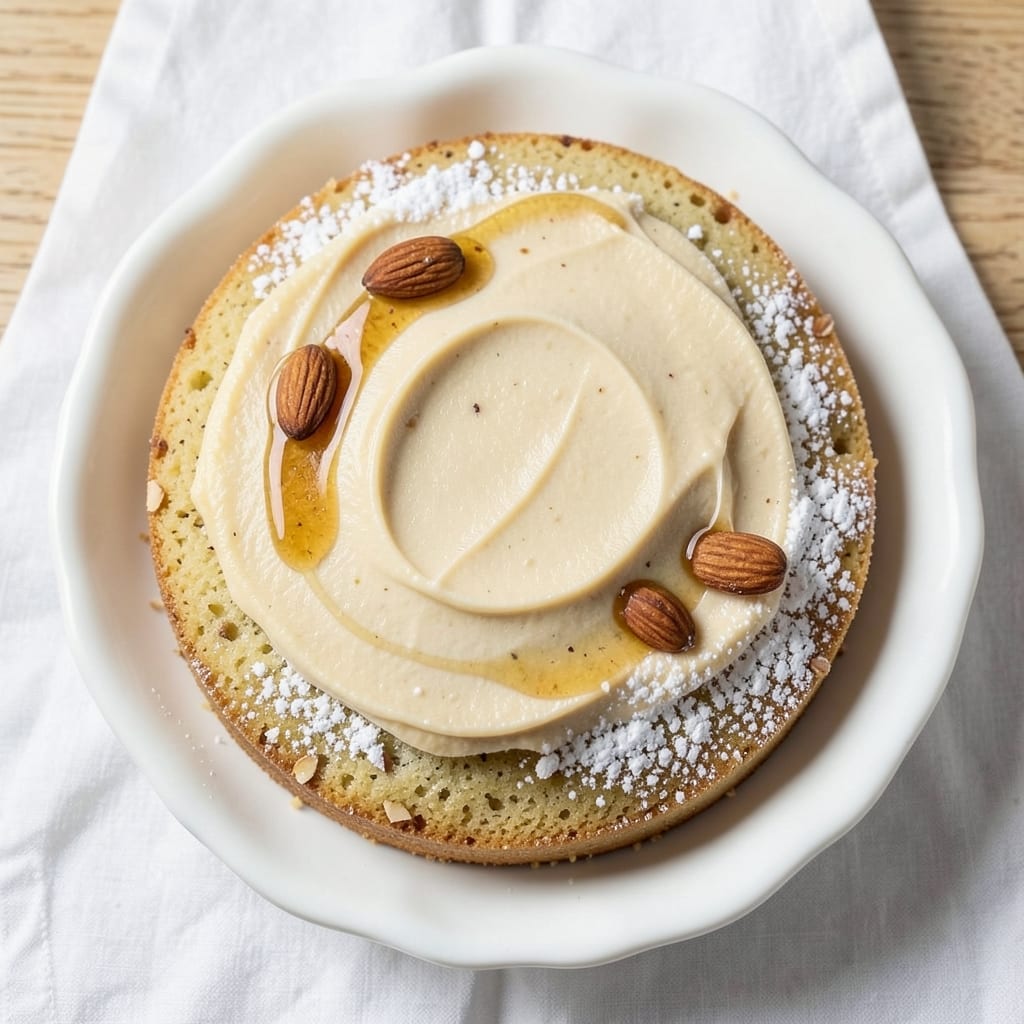
This almond milk vanilla cake delivers light-as-air moisture without a single egg or dairy—proven through years of vegan baking experiments. The secret lies in flax eggs and aquafaba, which bind the batter while keeping it tender for days. I developed this recipe after struggling with dry vegan cakes, and the result is a crumb that stays soft even when sliced hours later.
The cake's magic comes from balancing almond milk's dryness with baking powder and soda for lift, plus a touch of apple cider vinegar to activate leavening. You'll notice the texture is densely moist (not gummy) with a subtle nutty depth from the almond flour. It bakes in 35-40 minutes at 350°F, emerging with a golden dome that cracks beautifully when cooled.
Top it with a simple vanilla glaze or fresh berries for contrast, but the cake shines on its own—rich vanilla flavor without overpowering sweetness. Perfect for birthdays, vegan gatherings, or when you crave cake without compromise. The recipe scales easily for layers or cupcakes, with no special equipment needed.
What makes this recipe stand out is its foolproof nature: no overmixing, no guessing, and no dry crumbs. The almond milk creates a tender crumb while the flax eggs provide structure, resulting in a cake that's restaurant-quality at home. Ready to bake?
Ingredients for almond milk vanilla cake
Eight essential ingredients craft this restaurant-quality vegan cake with perfect moisture and structure.
| Ingredient | Amount | Notes |
|---|---|---|
| Almond Flour 🌰 | 2 ½ cups | Finely ground, unsweetened |
| All-Purpose Flour 🌾 | 1 ½ cups | Sifted for lightness |
| Granulated Sugar 🍚 | 1 ½ cups | Organic preferred |
| Unsweetened Almond Milk 🥛 | 1 ¼ cups | Cold, unsweetened |
| Melted Coconut Oil 🥥 | ½ cup | Cooled to room temp |
| Pure Vanilla Extract 🌿 | 2 tbsp | High-quality, Madagascar |
| Ground Flaxseed 🌾 | 3 tbsp | For flax eggs |
| Apple Cider Vinegar 🍎 | 1 tbsp | White vinegar substitute |
| Baking Powder 🧂 | 2 tsp | Metal container preferred |
| Baking Soda 🧂 | ½ tsp | Freshly opened |
| Salt 🧂 | ½ tsp | Fine sea salt |
| Aquafaba 🌱 | ½ cup | From canned chickpeas |
| Xanthan Gum 🧪 | ¼ tsp | For structure |
For the almond flour, Bob's Red Mill or Anthony's Goods brands deliver the finest grind, crucial for that tender crumb. The flaxseed should be freshly ground—store-bought pre-ground loses potency within weeks. Aquafaba from high-quality canned chickpeas (like Great Northern) provides the ideal egg substitute. The baking powder and soda must be fresh—test by mixing with water; if it fizzes, it's active. For the almond milk, Silk Unsweetened Original or Almond Breeze work best, but any unsweetened variety will suffice.
No almond flour? Substitute with 2 cups oat flour, though texture will differ slightly. Aquafaba unavailable? Replace with 0.5 cup unsweetened applesauce, though it may yield a denser crumb. The coconut oil can be swapped for vegan butter at equal volume, but it may add subtle flavor. For the vanilla, imitation extract will lack depth—invest in pure Madagascar bourbon or Tahitian vanilla for authentic flavor. The xanthan gum is non-negotiable for structure—omit only if you have other binders like psyllium husk.
Store the cake in an airtight container at room temperature for up to 3 days or refrigerate for 5 days. For longer storage, freeze the whole cake for 3 months. To revive, wrap in a damp towel and microwave for 10-15 seconds. The glaze (if using) should be made with powdered sugar and almond milk—add a pinch of xanthan gum to prevent weeping. This cake's texture improves with time, so slice it when fully cooled for the best experience.
Why You'll Love This Recipe
- No Mixer Needed: I swear by this recipe on lazy mornings—just whisk the wet ingredients in a bowl, fold in the dry, and pour. The almond flour keeps it tender without overworking, and honestly? My stand mixer stays put for once.
- Vanilla Kiss: That first bite of warm cake with the almond milk soaking in? Pure comfort. The coconut oil adds a subtle richness, while the vanilla—real vanilla extract, not imitation—makes it taste like a bakery’s secret.
- Weeknight Flex: Slice it for breakfast with yogurt, pack it for lunch, or serve it at a dinner party. The texture holds up surprisingly well, and the almond milk keeps it light enough to enjoy at any hour. (Yes, even on a Tuesday night.)
- Budget-Friendly Indulgence: Almond flour might sound fancy, but it stretches further than regular flour, and coconut oil lasts forever. Plus, the sugar isn’t overpowering—just enough sweetness to satisfy without breaking the bank. Leftovers? They disappear fast.
Step-by-step instructions for almond milk vanilla cake
Here's the method for achieving that signature light-as-air texture while keeping every crumb moist.
Prepare Flax Eggs and Whisk Wet Ingredients
In a small bowl, combine the 3 tablespoons ground flaxseed with the 1.25 cups unsweetened almond milk and 1 tablespoon apple cider vinegar. Stir thoroughly and let sit for 5 minutes until it thickens into a gel-like consistency—this creates our flax eggs. Meanwhile, in a separate large bowl, whisk together the 1.5 cups granulated sugar, 0.5 cup melted coconut oil (cooled to room temperature), and 2 tablespoons pure vanilla extract until fully combined and smooth.
The flax eggs act as a perfect egg substitute while adding structure, and the sugar helps stabilize the aquafaba later. I always use room-temperature coconut oil here to prevent any separation in the batter. The mixture should be pale yellow and completely homogeneous before moving to the next step.
Combine Dry Ingredients and Incorporate Wet Mixtures
In a medium bowl, sift together the 2.5 cups almond flour, 1.5 cups all-purpose flour, 2 teaspoons baking powder, 0.5 teaspoon baking soda, 0.5 teaspoon salt, and 0.25 teaspoon xanthan gum. Whisk gently to break up any lumps. The xanthan gum is crucial here—it mimics gluten development for that perfect cake structure, especially since we're using almond flour.
Gradually add the dry mixture to the wet ingredients while mixing on low speed with an electric mixer. Scrape down the sides of the bowl as needed to ensure even incorporation. The batter should be thick but pourable, similar to a traditional cake batter. If it appears too dry, add 1-2 tablespoons unsweetened almond milk to reach the proper consistency.
Incorporate Aquafaba and Fold Gently
In a separate clean bowl, whip the 0.5 cup aquafaba with a hand mixer on high speed until it forms stiff peaks—this should take about 3-4 minutes. Fold one-third of the whipped aquafaba into the cake batter using a spatula, then gently fold in the remaining aquafaba until just combined. The aquafaba adds moisture and lightness without altering the flavor profile, and folding preserves the air incorporated during whipping.
This step is delicate—overmixing can deflate the aquafaba and result in a dense cake. I use a gentle "J" folding motion to maintain the air bubbles while ensuring complete integration. The final batter should be smooth with no visible streaks of aquafaba. Let the batter rest for 10 minutes at room temperature before baking to allow the flax eggs to fully set.
Bake in a Preheated Oven
Preheat your oven to 350°F and grease two 8-inch round cake pans (or one 9x13-inch pan for a sheet cake). Divide the batter evenly between the prepared pans. For round cakes, bake for 25-30 minutes until a toothpick inserted into the center comes out clean and the top springs back when gently pressed. For the sheet cake, bake for 30-35 minutes until the edges pull away from the pan.
I always bake the cakes on the middle rack for even heat distribution. The cake should have a golden top with slightly domed edges—this indicates proper baking. If the top browns too quickly, tent the pans with aluminum foil after 15 minutes to prevent over-browning while allowing the center to cook through. The internal temperature should reach 205-210°F when done.
Cool and Serve for Maximum Moisture
Remove the cakes from the oven and let them cool in the pans for 10 minutes before transferring to a wire rack to cool completely. This gradual cooling prevents cracking and allows the moisture to redistribute evenly throughout the cake. For best results, serve the cake at room temperature—this enhances the vanilla flavor and maintains the moist texture.
The cake should have a tender crumb with a delicate vanilla aroma. If storing, wrap tightly in plastic wrap and keep at room temperature for up to 3 days or refrigerate for up to 5 days. For longer storage, freeze the cake in slices for up to 3 months. The combination of aquafaba and flax eggs ensures this cake stays moist even when stored properly.
Pro Tips For Making Almond Milk Vanilla Cake
- WHISK DRY INGREDIENTS FIRST: Mix almond flour and all-purpose flour together before adding wet ingredients—this prevents lumps and ensures a smoother batter. I learned this the hard way after scraping out stubborn almond flour clumps from my mixing bowl.
- MEASURE ALMOND MILK COLD: Use chilled unsweetened almond milk straight from the fridge—it blends better with melted coconut oil and keeps the cake tender. Warm milk makes the batter separate, and nobody wants a greasy surprise in their cake.
- BAKE UNTIL TOOTHPICK COMES OUT CLEAN: Check doneness at 325°F (163°C) with a toothpick—wait for those last few seconds if it’s sticky. Overbaking dries out the almond flour, and underbaking leaves a gummy mess. Trust the toothpick, not the timer.
- ADD VANILLA BEAN EXTRACT: Skip the cheap vanilla extract and use a scraped vanilla bean pod (or a teaspoon of pure extract) for depth. The seeds add flecks of flavor that store-bought versions can’t match—worth the splurge for a pro-level cake.
Common mistakes when making your almond milk vanilla cake
Overmixing the Batter
I’ve ruined countless vegan cakes by overmixing the batter—especially after adding aquafaba. Once the aquafaba is folded in, stop mixing immediately after it’s fully incorporated. Overmixing deflates the air bubbles, leading to a dense, rubbery texture instead of that light-as-air crumb. Use a gentle "J" folding motion with a spatula to maintain structure while keeping the batter smooth. 💡
Skipping the Rest Time
The batter needs that 10-minute rest before baking to let the flax eggs fully thicken and the xanthan gum activate. Skipping this step can cause the cake to sink in the center or develop a gummy texture. I’ve learned this the hard way—always let the batter sit! The wait ensures the aquafaba holds its structure and the leavening agents work properly.
Using Old or Expired Ingredients
Baking powder and baking soda are the heart of this cake’s rise, but they lose potency over time. Test yours by mixing with water—if it doesn’t fizz, replace it. I keep a small jar of fresh baking powder in my pantry and date it when I open it. Expired leavening agents won’t just make your cake flat; they can also leave a bitter aftertaste that ruins the delicate vanilla flavor.
Incorrect Aquafaba Whipping
Whipping the aquafaba to stiff peaks is non-negotiable for that signature lightness. Under-whipped aquafaba won’t provide enough lift, while over-whipping can turn it grainy. Use a hand mixer on high for 3-4 minutes—no more, no less. If your aquafaba isn’t stiff enough, try chilling the bowl slightly before whipping. The texture should hold its shape when you lift the whisk, like soft meringue. 🌱
Ignoring the Toothpick Test
Always check doneness with a clean toothpick—it should come out with a few moist crumbs, not wet batter. I’ve pulled cakes out too early (resulting in a gummy center) and too late (leading to dryness). For this recipe, the internal temperature should reach 205-210°F. If you’re unsure, err on the side of underbaking—you can always put it back in for a few more minutes.
Not Greasing Pans Properly
Almond flour cakes stick more easily than traditional batters, so grease your pans thoroughly with coconut oil or butter. I also dust them with flour or use parchment paper for extra insurance. If your cake sticks, it’ll tear when you try to remove it, leaving a messy crust. For round pans, grease the sides and bottom, then sprinkle with flour. Tap out any excess before adding batter to avoid a gritty texture. ⚡
Nutrition facts
Frequently asked questions
Can I make this cake without aquafaba?
Yes! Replace the 0.5 cup aquafaba with 0.5 cup unsweetened applesauce or 0.5 cup mashed banana for moisture, though the texture will be slightly denser. For a lighter result, use 0.5 cup unsweetened coconut yogurt—it adds protein and fat to mimic egg function. The vanilla flavor remains intact, but the cake may not rise as high.
Why does my vegan vanilla cake sometimes taste bitter?
Bitter flavors often come from expired baking powder or baking soda, or from overmixing the batter. Always test your leavening agents by mixing with water—if they don't fizz, replace them. Also, ensure you're using pure vanilla extract (not imitation) and that your almond flour is fresh. A pinch of cream of tartar can help neutralize any metallic notes.
How do I make this cake gluten-free?
Replace the 1.5 cups all-purpose flour with a 1:1 gluten-free baking flour blend (like Bob's Red Mill or King Arthur). Add an extra 0.25 teaspoon xanthan gum to compensate for lost structure. The almond flour provides natural gluten-free texture, but the extra binder ensures proper rise. Test your blend first—some require more liquid, so adjust with 1-2 tablespoons almond milk if needed.
Can I bake this in a bundt pan?
Yes, but reduce baking time by 5-10 minutes—bundt pans conduct heat differently. The cake may need 30-35 minutes at 350°F depending on size. Grease the pan thoroughly with coconut oil and dust with flour to prevent sticking. For best results, use a 10-12 cup bundt pan and check doneness with a toothpick at 205-210°F internal temperature. The intricate shape makes it perfect for special occasions!
What's the best way to add chocolate flavor?
For a subtle chocolate note, replace 0.5 cup granulated sugar with 0.5 cup Dutch-process cocoa powder (like Hershey's or Ghirardelli). For stronger chocolate flavor, add 0.5 cup vegan chocolate chips to the batter. To keep the cake moist, reduce the almond milk by 2 tablespoons. The vanilla-chocolate combo creates a rich dessert that's perfect for celebrations.