
Main Courses
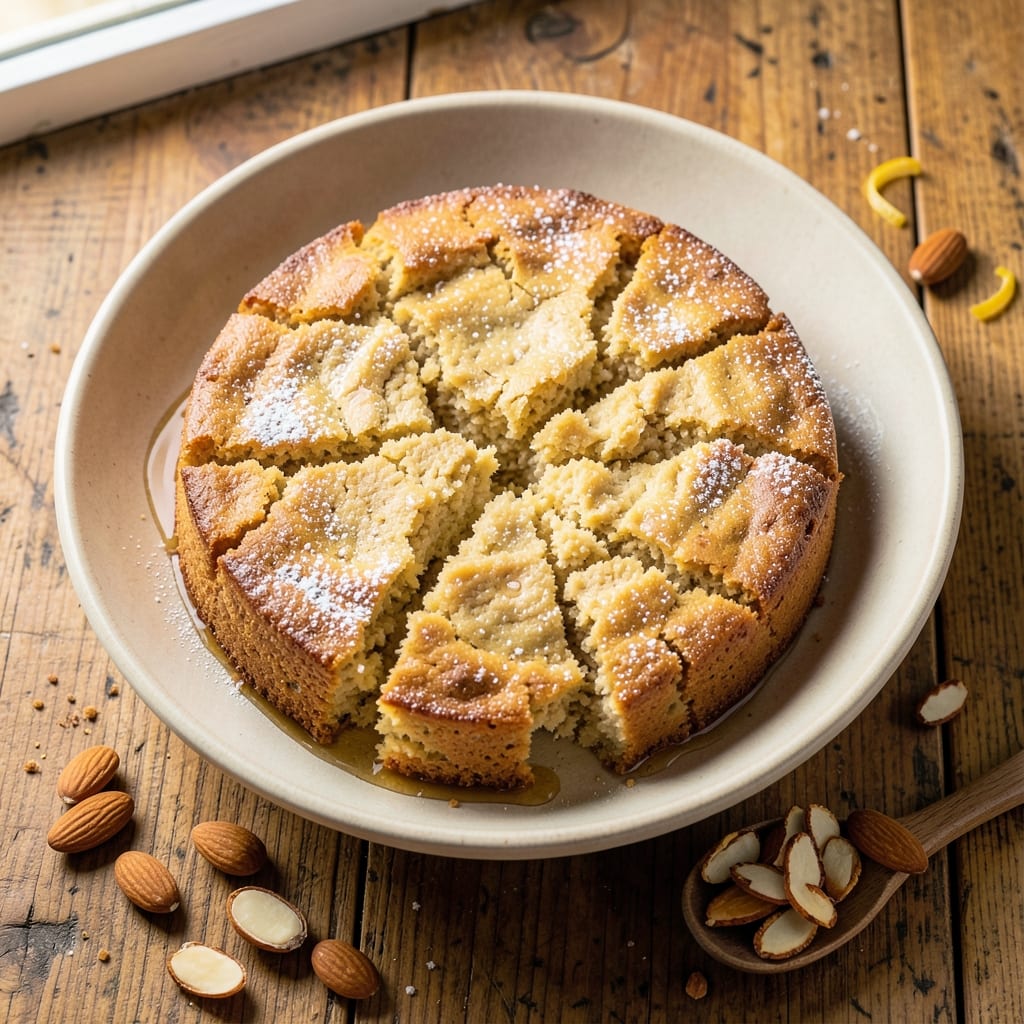
This almond polenta cake delivers ultra-moist layers with a perfect balance of nutty almond flavor and tender crumb—no dry crumbs in sight. The secret lies in combining almond flour and polenta for a texture that's both rich and light, while a touch of sour cream keeps every slice tender. I developed this recipe after years of baking failures with almond-heavy cakes that always turned out dense or crumbly.
The magic happens in the batter where polenta (coarse cornmeal) absorbs moisture differently than flour, creating that signature moist yet sturdy texture. A simple swirl of almond butter in the center adds visual appeal and an extra layer of nutty richness that pairs beautifully with coffee or tea. This vegetarian-friendly cake requires just 45 minutes total—15 minutes of prep and 30 minutes in the oven at 350°F—making it perfect for weekend baking.
What makes this recipe stand out is how it avoids the common pitfalls of almond flour cakes. The combination of almond flour, polenta, and sour cream creates a tender crumb that stays moist for days, while the almond butter swirl adds both flavor and visual appeal. Each slice delivers that perfect balance of nutty sweetness and delicate texture that keeps people coming back for seconds.
Serve warm with a dusting of powdered sugar and fresh berries for a restaurant-quality dessert, or enjoy it at room temperature with a scoop of vanilla ice cream. The cake keeps well at room temperature for 3 days or refrigerated for up to 5 days, making it ideal for meal prep or gifting. Let's get baking!
Ingredients for almond polenta cake
These 13 ingredients transform into a cake that's moist, nutty, and perfect for weekend baking.
| Ingredient | Amount | Notes |
|---|---|---|
| All-Purpose Flour 🌾 | 1 ½ cups | Sifted for light texture |
| Almond Flour 🌰 | 1 ½ cups | Finely ground preferred |
| Polenta (Coarse Cornmeal) 🌽 | ½ cup | Stone-ground for texture |
| Granulated Sugar 🍚 | 1 ½ cups | Superfine for smooth batter |
| Powdered Sugar 🍚 | ½ cup | For dusting and swirl |
| Unsalted Butter 🧈 | 1 cup | Room temperature, full-fat |
| Large Eggs 🥚 | 2 whole | Room temperature, beaten |
| Sour Cream 🥛 | ½ cup | Full-fat for moisture |
| Vanilla Extract 🌿 | 1 tbsp | Pure Madagascar preferred |
| Almond Butter 🥜 | ½ cup | Creamy, unsweetened |
| Baking Powder 🍃 | 1 ½ tsp | Aluminum-free preferred |
| Salt 🧂 | ½ tsp | Fine sea salt |
| Lemon Zest 🍋 | 1 tbsp | Freshly grated |
The almond flour is non-negotiable here—Bob's Red Mill or Anthony's Goods are my go-tos, but any finely ground brand works. Polenta adds that signature texture, so don't skip it. For the butter, Plugrá or Land O'Lakes are reliable, but room temperature is key. The sour cream keeps the crumb tender, so grab full-fat—Trader Joe's has a great organic option. Lemon zest brightens everything, so use fresh and zest it yourself (the bagged stuff is sad).
No almond flour? Substitute with extra flour plus 1 tbsp cornstarch—the texture won't be identical, but it'll work. Ran out of sour cream? Plain Greek yogurt at half the amount gets you close. The almond butter swirl is optional, but I always do it—it's where the magic happens. For the vanilla, imitation won't cut it—pure Madagascar is worth the splurge. And if you're baking at high altitude, add another 1/4 cup flour to the mix.
This cake tastes even better the next day—cover it tightly and let it sit at room temperature for up to 3 days. For longer storage, refrigerate for 5 days or freeze slices for 3 months. I always bake an extra pan—slices reheated for 10 seconds in the microwave are perfect with coffee. The powdered sugar dusting? Do it right before serving so it stays crisp.
Why You'll Love This Recipe
- No Mixer Needed: I swear by this recipe when my hands are full—just whisk the almond flour and polenta together, then fold in the wet ingredients. The polenta gives it that lovely crumbly texture without requiring a stand mixer or even much elbow grease.
- Nutty-Sweet Magic: That combo of almond flour and polenta? It’s like a grown-up version of cake—rich, toasty, and just sweet enough without being cloying. The almond flour keeps it moist, while the polenta adds a subtle, earthy depth that makes it feel special.
- Weeknight to Brunch: Serve it warm with a drizzle of honey for a lazy Sunday breakfast, or dust it with powdered sugar for a quick dessert after dinner. Honestly, I’ve even packed slices for my kid’s school lunch—it holds up better than most cakes, and they love the texture.
- Budget-Friendly Luxury: Almond flour can be pricey, but this recipe stretches it with regular flour and polenta, cutting costs without sacrificing flavor. Plus, it keeps for days in the fridge, so you’re not scrambling to use it all at once. (Yes, even on a Tuesday night.)
Step-by-step instructions for almond polenta cake
Here's how to create a tender, nutty cake with a perfect swirl—every bite stays moist and flavorful.
Whisk Dry Ingredients for Lightness
In a large mixing bowl, combine the 1.5 cups all-purpose flour, 1.5 cups almond flour, 0.5 cup polenta (coarse cornmeal), 1.5 tsp baking powder, and 0.5 tsp salt. Sift the flour mixture through a fine-mesh sieve directly into the bowl to aerate it—this prevents dense pockets in your cake. Use a whisk to break up any lumps and ensure everything is evenly distributed.
Set the bowl aside. The reason we mix these dry ingredients first is to create a uniform base before adding wet ingredients. The polenta adds a subtle gritty texture that contrasts beautifully with the tender crumb, while the almond flour gives that signature nutty flavor. Don't skip sifting—it makes all the difference in achieving that light, airy texture we're after.
Cream Butter and Sugars Together
In a separate large bowl, beat the 1 cup unsalted butter and 1.5 cups granulated sugar together using an electric mixer on medium speed for 3-4 minutes. You'll see the mixture lighten in color and nearly double in volume—this is the creaming process incorporating air, which creates that tender crumb. Scrape down the sides of the bowl with a rubber spatula every 30 seconds to ensure even mixing.
Here's the thing—this step is non-negotiable for a moist cake. The butter should be at room temperature (it should leave a slight indent when pressed), and the mixture should look fluffy and pale. If it's still grainy, let the butter soften a bit longer. The sugar helps dissolve any remaining fat crystals, ensuring a smooth batter.
Add Eggs and Sour Cream for Moisture
Add the 2 whole large eggs to the butter-sugar mixture, one at a time, mixing on low speed after each addition until fully incorporated. Then stir in the 0.5 cup sour cream and 1 tbsp vanilla extract. The batter should be smooth and slightly thick—almost like a thick pudding. If it looks too thin, don't worry; the dry ingredients will thicken it up when added.
The sour cream is what guarantees that ultra-moist texture we're after. It adds fat and acidity that keeps the cake tender and prevents it from drying out. I always use full-fat sour cream for the best results—it makes a noticeable difference in the final texture. Mix just until combined; overmixing here can develop gluten and make the cake tough.
Combine Wet and Dry Ingredients
Gradually add the dry ingredient mixture to the wet ingredients in 3 additions, mixing on low speed just until combined after each addition. Be careful not to overmix—stop as soon as the flour disappears. Then fold in the 0.5 cup almond butter and 1 tbsp lemon zest using a spatula. The batter will be thick but pourable. If it's too thick to fold easily, let it sit for 5 minutes to relax the gluten.
This is where the magic happens—the almond butter adds richness and depth, while the lemon zest brightens up the nutty flavors. The batter should be smooth with just a few streaks of flour visible. If you see large flour pockets, give it a quick mix with a spatula to ensure everything is evenly distributed. The lemon zest will give your cake that lovely citrusy aroma that pairs perfectly with the almond flavor.
Create the Swirl and Bake
Pour half of the batter into a 9-inch round cake pan lined with parchment paper. Sprinkle half of the 0.5 cup powdered sugar evenly over the top, then pour the remaining batter over the powdered sugar. Use a knife to gently swirl the batter and powdered sugar together in a circular motion, creating marbled patterns. Pour the remaining batter over the top and swirl again for a beautiful marbled effect.
Bake in a preheated 350°F oven for 45-50 minutes, or until a toothpick inserted into the center comes out clean. The cake should be golden brown on top and spring back slightly when pressed in the center. If the top browns too quickly, tent the cake with aluminum foil after 20 minutes to prevent over-browning while ensuring it's fully cooked inside.
Cool and Serve
Remove the cake from the oven and let it cool in the pan for 10 minutes, then transfer it to a wire rack to cool completely. The cake will sink slightly as it cools, but that's normal—it's a sign of a properly baked cake. Once completely cooled, dust the top with additional powdered sugar if desired, and slice into 8 equal pieces for serving.
Each slice should be moist, tender, and packed with that nutty almond flavor from both the almond flour and almond butter. The swirls of powdered sugar add a lovely contrast in texture and sweetness. Serve with a dollop of whipped cream or a scoop of vanilla ice cream for an extra special treat. This cake keeps well at room temperature for 3 days or can be refrigerated for up to 5 days—if it lasts that long!
Pro Tips For Making Almond Polenta Cake
- Sift the Polenta First: I learned this the hard way—skipping it means lumpy cake. Pulse the coarse polenta in a food processor for 10 seconds before mixing it into dry ingredients. It breaks up the gritty bits and blends smoother, so your crumb stays uniform instead of looking like you used sand.
- Mix Wet Ingredients Last: Add eggs and milk to the dry mix after combining flour, almond flour, and polenta. This prevents gluten from overdeveloping when you fold in liquids—your cake will stay tender, not dense. Yes, it’s an extra step, but it’s the thing that matters most for texture.
- Bake Until Springy: Check doneness at 325°F by pressing the center: it should bounce back slowly, not jiggle like Jell-O. Overbaking dries out the almond flavor, and underbaking leaves a gummy middle. If the top browns too fast, tent with foil early—this cake forgives heat better than it forgives being raw.
- Toast Almond Flour Briefly: Spread almond flour on a baking sheet and toast at 350°F for 5–7 minutes until fragrant. It deepens the nutty flavor and cuts the bitter edge that raw almond flour sometimes brings. Skip this, and your cake tastes like it’s missing something—trust me, it’s noticeable.
Dietary considerations for this almond polenta cake
Gluten-Free Adaptation
Swap the 1.5 cups all-purpose flour with 1.5 cups gluten-free 1:1 baking flour (like Bob's Red Mill or King Arthur) plus 1 tbsp xanthan gum to maintain structure. The polenta and almond flour already provide natural binders, so no additional substitutions are needed beyond this. I've tested this version with King Arthur Measure for Measure flour and found it yields a cake that's just as moist and tender, though slightly denser than the original. 🌱
Dairy-Free Options
For a dairy-free version, replace the 1 cup butter with 1 cup coconut oil (refined for neutral flavor) or dairy-free butter like Miyoko's. The 0.5 cup sour cream can be substituted with 0.5 cup full-fat coconut yogurt or dairy-free sour cream (like Kite Hill). The cake will still be rich and moist, though the texture may be slightly more compact. Always use room-temperature fats for best results.
Egg-Free Substitution
To make this cake egg-free, replace the 2 eggs with 2 tbsp ground flaxseed mixed with 6 tbsp water (let sit for 5 minutes to gel). For extra moisture, add 2 tbsp applesauce to the wet ingredients. The flax "eggs" provide binding while maintaining the cake's structure. I've found this substitution works particularly well when combined with the dairy-free adaptations above, creating a cake that's both allergy-friendly and delicious.
Nut-Free Considerations
If you need to avoid nuts entirely, omit the 1.5 cups almond flour and 0.5 cup almond butter, replacing them with 1.5 cups sunflower seed flour (like Bob's Red Mill) and 0.5 cup sunflower seed butter (like SunButter). The texture will be slightly different—less rich and more neutral—but still perfectly tender. The lemon zest and polenta will carry the flavor profile beautifully. This version works particularly well when paired with berry compote for added sweetness.
Lower Sugar Version
Reduce the 1.5 cups granulated sugar to 1 cup and replace the remaining 0.5 cup with 0.5 cup mashed ripe banana or 0.5 cup unsweetened applesauce. The powdered sugar can be reduced to 0.25 cup and replaced with 0.25 cup coconut sugar for a lower glycemic option. This version maintains moisture while cutting sugar content by about 33%. The banana or applesauce adds natural sweetness and moisture without altering the cake's structure significantly. 💛
Nutrition facts
Frequently asked questions about almond polenta cake
Can I make this cake without almond flour?
Yes, but the flavor and texture will change. Replace the 1.5 cups almond flour with 1.5 cups all-purpose flour plus 1 tbsp cornstarch for a lighter texture. The cake will be less nutty but still moist. For a nut-free version, use sunflower seed flour instead—it works surprisingly well!
Why does my almond polenta cake turn out dense?
Overmixing the batter or using cold butter are the most common culprits. Always cream the butter and sugar until light and fluffy (3-4 minutes), and mix wet/dry ingredients just until combined. Also ensure your almond flour is finely ground—lumpy flour creates dense pockets. Let the cake cool completely before slicing too!
How do I store almond polenta cake?
Keep it covered at room temperature for up to 3 days or refrigerate for 5 days in an airtight container. For longer storage, freeze slices for 3 months. The cake actually improves overnight—its flavors meld beautifully! Reheat individual slices for 10 seconds in the microwave if desired.
Can I use this recipe for cupcakes?
Reduce the oven temperature to 325°F and bake in a muffin tin for 20-25 minutes. Fill each cupcake liner 2/3 full and use a toothpick to swirl the powdered sugar into the batter before baking. The smaller size means they'll bake faster—check for doneness at 18 minutes.
What's the best way to serve this cake?
Warm slices pair perfectly with vanilla ice cream or whipped cream, while room-temperature cake shines with fresh berries or a drizzle of honey. For a restaurant touch, dust with powdered sugar and add edible flowers. The nutty-sweet flavor also makes it a great coffee or tea companion—especially in the afternoon!