
Desserts
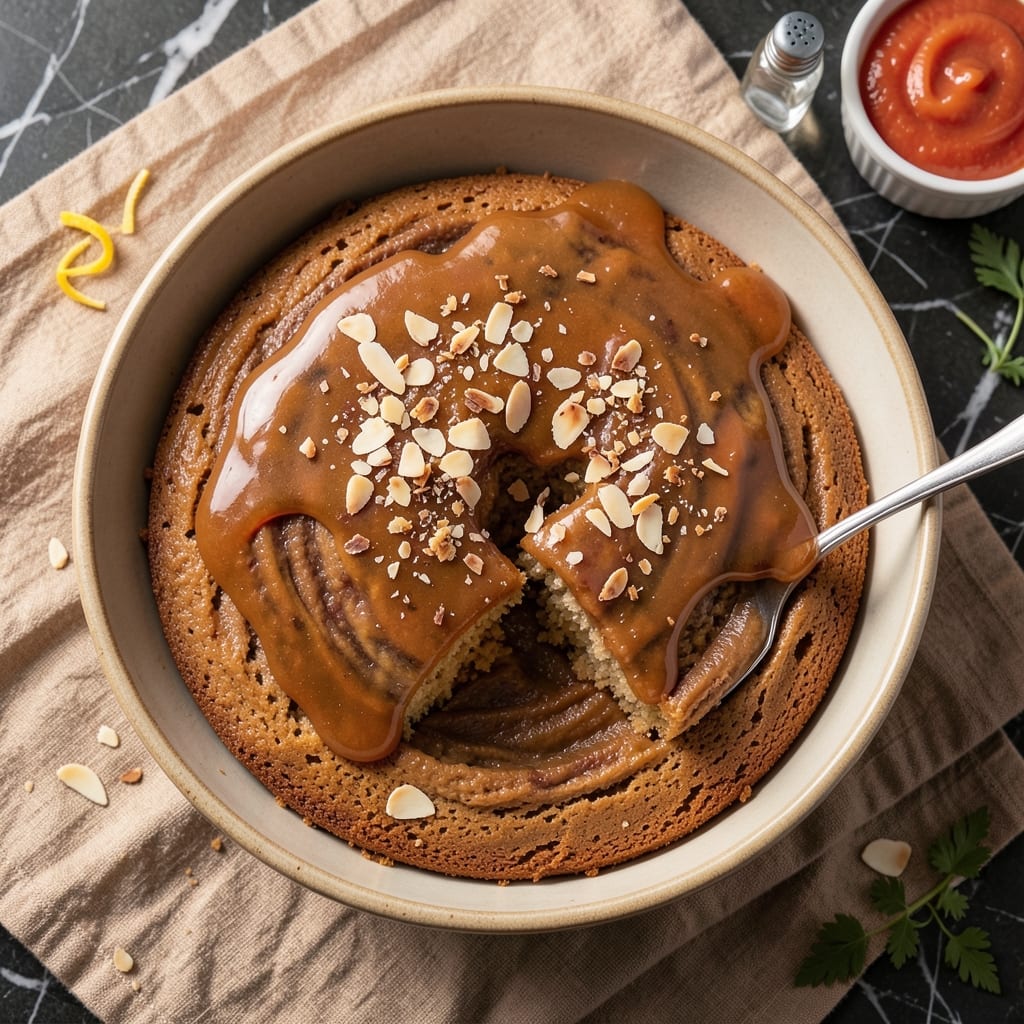
This almond pulp cake transforms humble almond byproducts into a rich, moist dessert that rivals traditional cakes—without refined sugar. The secret lies in almond pulp, a fibrous leftover from almond milk production, which adds natural sweetness and a tender crumb that stays fresh for days. I developed this recipe after discovering how almond pulp could replace flour while enhancing texture, creating layers that are both nutty and delicate.
The cake’s magic comes from blending almond pulp with eggs, applesauce, and a touch of vanilla, creating a batter that’s lighter than traditional flour-based cakes. Baking at 350°F for 35-40 minutes ensures a golden crust and perfectly set center, while the natural oils in almond pulp keep it moist for hours. No refined sugar means the flavor stays pure—just warm almond notes with a hint of caramel from the baking process.
What you’ll end up with is a cake that’s naturally sweetened, gluten-free, and packed with protein, yet still indulgent enough for celebrations. The layers hold together beautifully, making it ideal for slicing or layering with fruit compote. The texture is a game-changer: dense yet airy, with a subtle crunch from the almond pulp that keeps every bite interesting.
For extra flair, dust the top with powdered sugar or drizzle with melted dark chocolate. This recipe also works as a base for other variations—swap in cocoa powder for a chocolate version or add citrus zest for brightness. Let’s bake this nutty, sugar-free masterpiece.
Ingredients for almond pulp cake
Almond pulp and natural sweeteners create a moist, gluten-free cake without refined sugar.
| Ingredient | Amount | Notes |
|---|---|---|
| Almond Pulp 🌰 | 2 ½ cups | Fresh from almond milk production |
| Large Eggs 🥚 | 4 whole | Room temperature for even mixing |
| Unsweetened Applesauce 🍎 | 1 cup | Unseasoned, no added sugar |
| Pure Vanilla Extract 🌿 | 1 tbsp | High-quality, pure vanilla |
| Pure Maple Syrup 🍁 | ½ cup | Grade A for natural sweetness |
| Baking Powder 🍞 | 1 tsp | Aluminum-free for best results |
| Salt 🧂 | ¼ tsp | Fine sea salt preferred |
| Almond Extract 🌰 | ½ tsp | Pure, not imitation |
| Unsalted Butter 🧈 | ½ cup | Cold, cubed for creaming |
| Powdered Sugar 🍬 | ¼ cup | For dusting, optional |
| Dark Chocolate Chips 🍫 | ½ cup | 70% cocoa minimum |
| Almond Flour 🌰 | ½ cup | Fine texture preferred |
| Lemon Zest 🍋 | 1 tbsp | Freshly grated |
The almond pulp is the star—fresh from almond milk production makes all the difference. Bob’s Red Mill or Anthony’s Goods sell it online, but check local health food stores too. If you can’t find it, blend soaked almonds into a pulp (soak 1 cup almonds overnight, blend with 2 cups water, strain). For the maple syrup, Grade A is sweeter and works best. The vanilla extract should be pure—no imitation—for that authentic flavor. Almond extract adds depth, but use sparingly; it’s potent!
No almond pulp? Substitute with 2 cups almond flour, but texture will be denser. Swap applesauce for mashed banana if you prefer. For the chocolate version, add 1/3 cup cocoa powder and reduce almond flour by 1/4 cup. The butter must be cold—cubed and chilled—for proper creaming. If you’re avoiding dairy, vegan butter works, but flavor may vary slightly. The powdered sugar is optional but adds a beautiful finish. For extra brightness, add 1 tsp lemon juice to the batter.
Store the cake in an airtight container at room temperature for 3 days or refrigerate for 5 days. For longer storage, freeze slices wrapped in plastic for 3 months. The texture improves overnight as the almond pulp absorbs moisture. To serve, dust with powdered sugar or drizzle with melted dark chocolate. This cake also freezes beautifully—bake, cool completely, then slice and freeze for perfect individual portions.
Why You'll Love This Recipe
- No Mixer Needed: I’ll be honest—this batter comes together with a whisk and a bowl. No stand mixer, no food processor, just a few minutes of folding almond pulp into eggs and applesauce until it’s silky smooth. That’s it. No fuss, no stress.
- Maple-Vanilla Magic: The combo of pure maple syrup and vanilla extract gives this cake a warm, caramel-like depth that’s not too sweet. The almond pulp adds a subtle nutty richness, while the applesauce keeps it moist without being heavy. It’s the kind of flavor that makes you want to cut a second slice before the first one’s even cooled.
- Weeknight or Weekend: This cake is my go-to for when I need something special but don’t want to spend all day baking. Serve it warm with a dollop of Greek yogurt for breakfast, or slice it for dessert after dinner—it works both ways. Honestly, I’ve even packed it in lunches without anyone noticing it’s not store-bought.
- Budget-Friendly Luxury: Almond pulp is often a byproduct of almond milk production, so it’s cheaper than buying whole almonds. Plus, eggs and applesauce are pantry staples, and a little maple syrup goes a long way. You get a cake that tastes like it cost a fortune, but your wallet stays happy. (Yes, even on a Tuesday night.)
Step-by-step instructions for almond pulp cake
Here's the method for a tender, naturally sweetened cake with perfect moisture and texture.
Prepare the Almond Pulp Mixture
In a large mixing bowl, combine the 2.5 cups almond pulp, 1 cup unsweetened applesauce, 0.5 cup pure maple syrup, 1 tbsp pure vanilla extract, and 1 tbsp lemon zest. Whisk vigorously for 2-3 minutes until fully incorporated and smooth. This mixture forms the cake's moist foundation—don't skip thorough mixing to avoid pockets of dry almond pulp.
The almond pulp should look like a thick, smooth batter with no visible lumps. If it appears too thick, add 1-2 tablespoons of warm water to reach a pourable consistency. This step ensures even distribution of moisture throughout the cake layers.
Cream Butter and Sweeteners
In a separate bowl, beat the 0.5 cup unsalted butter (cold, cubed) with 0.25 cup powdered sugar on medium speed for 3-4 minutes until light and fluffy. This creaming process incorporates air, which creates the cake's tender crumb structure. Scrape down the sides of the bowl as needed to ensure even mixing.
Add the 4 whole large eggs one at a time, mixing well after each addition. Then stir in 0.5 tsp almond extract and 0.25 tsp salt. The mixture should be thick and pale, nearly doubling in volume. This stage is critical for achieving the cake's signature moistness and delicate texture.
Combine Wet and Dry Ingredients
Gradually pour the almond pulp mixture into the butter mixture while mixing on low speed. Add 0.5 cup almond flour and 1 tsp baking powder, mixing just until combined—do not overmix to prevent a dense texture. Fold in 0.5 cup dark chocolate chips by hand using a spatula to distribute them evenly.
The batter should be thick but pourable, similar to a traditional cake batter. If it appears too dry, add 1-2 tablespoons of warm water to maintain proper moisture levels. This combination of wet and dry ingredients creates the cake's signature tender yet sturdy structure.
Bake in Layers for Even Cooking
Preheat your oven to 350°F and grease three 6-inch round cake pans with butter or baking spray. Divide the batter evenly among the pans, filling each about ⅔ full. Bake for 25-30 minutes or until a toothpick inserted in the center comes out clean. The edges should be golden brown while the center remains slightly springy.
For perfectly even layers, rotate the pans halfway through baking. Let the cakes cool in the pans for 10 minutes, then transfer to a wire rack to cool completely. This gradual cooling prevents cracking and ensures clean slicing for assembly.
Assemble and Serve
Place one cake layer on a serving plate and spread a thin layer of lemon-almond glaze (optional: mix 2 tbsp maple syrup with 1 tbsp almond extract and 1 tsp lemon juice). Repeat with remaining layers, dusting each with powdered sugar between layers for added sweetness and texture.
Slice into 8 equal portions and serve immediately. The cake should be moist with a tender crumb and subtle nutty flavor from the almond pulp. Store leftovers covered at room temperature for up to 3 days or refrigerate for up to 5 days for best texture.
Pro Tips For Making Almond Pulp Cake
- Bake at 325°F—Not Higher: I learned this the hard way—almond pulp cakes dry out fast if you crank the oven too high. The outside gets a sad, cracked crust while the center stays dense. Let the oven preheat fully, then bake at 325°F for even cooking. (Yes, even if you’re impatient like me.)
- Whisk Eggs Until Ribbon-Stage: Don’t just mix them—whisk the eggs until they hold a slow ribbon when you lift the whisk. This ensures the cake’s texture is light, not gummy. I used to skip this, and the result was more like dense almond paste than cake.
- Use Cold Applesauce: Room-temperature applesauce makes the batter runny, and that’s a recipe for a flat, sad cake. Scoop it straight from the fridge, measure it, then let it sit in the bowl for 5 minutes before mixing. The batter will thicken just enough to hold its shape.
- Fold, Don’t Stir, the Almond Pulp: Stirring the almond pulp in after mixing the wet ingredients breaks the air bubbles you just created. Fold it in gently with a spatula—like you’re tucking in a blanket—so the cake rises properly. I was skeptical until I tried it; the difference is noticeable.
Make-ahead tips for almond pulp cake
Batter Prep Ahead
Mix the almond pulp batter up to 24 hours before baking and store it in an airtight container in the fridge. The flavors meld beautifully overnight, and the texture becomes even more tender. When ready to bake, let the batter sit at room temperature for 30 minutes before dividing into pans—this prevents temperature shock during baking. 🌰
Layered Baking Strategy
Bake just one layer at a time if you're short on oven space. Place the unbaked pans on a wire rack inside a cool oven (turned off) while the first layer bakes. This keeps the batter from warming too much before going in, ensuring even cooking. For extra insurance, bake the second layer 5 minutes longer than the first to account for residual heat. ✨
Freezer-Friendly Layers
After baking, cool the layers completely, then wrap each one individually in plastic wrap followed by aluminum foil. Store them in a freezer-safe bag for up to 3 months. To serve, thaw overnight in the fridge, then assemble with glaze as directed. This is my go-to method for holiday prep—just pull out layers as needed! ❄️
Glaze Pre-Make
Prepare the lemon-almond glaze (2 tbsp maple syrup + 1 tbsp almond extract + 1 tsp lemon juice) up to 5 days ahead and store it in a small jar in the fridge. Stir well before using, as the ingredients may separate slightly. Warm the glaze gently in the microwave for 10-15 seconds to thin it out if needed before assembling the cake. 🍋
Portion Control
For parties, slice the fully assembled cake into 8 equal wedges and wrap each piece tightly in parchment paper, then foil. These individual portions stay fresh for 3 days at room temperature or 1 week in the fridge. Label them with the date and reheat slices at 300°F for 5 minutes to restore moisture if needed. Perfect for grab-and-go desserts! 💫
Equipment Shortcuts
No 6-inch pans? Use one 9-inch pan and bake the entire batter at once for 40-45 minutes—just reduce the oven temperature to 325°F for slower, even cooking. Alternatively, bake in a muffin tin (fill each cup ⅔ full) for 20-25 minutes at 350°F to make mini cakes. Both methods work beautifully! 🔥
Nutrition facts
Frequently asked questions
What makes almond pulp different from almond flour in this cake?
Almond pulp is the fibrous byproduct from almond milk production, while almond flour is finely ground almond meal. The pulp adds a unique moist, tender texture and subtle sweetness that flour can't replicate. It also creates a lighter crumb structure, making this cake more delicate than traditional almond flour-based desserts.
Can I make this cake without eggs?
Yes! Replace the 4 eggs with 4 tablespoons aquafaba (chickpea brine) whipped to stiff peaks, or use 1/2 cup unsweetened applesauce + 1 teaspoon baking soda. For best results, let the batter rest 10 minutes before baking to activate the leavening. The texture will be slightly denser but still moist.
Why does my almond pulp cake turn out dry?
Overbaking is the most common cause—check doneness at 25 minutes (toothpick test). Another issue is using old almond pulp (it loses moisture over time). Fix it by brushing warm layers with 1 tablespoon maple syrup while assembling, or adding 1 extra tablespoon applesauce to the batter.
How do I store leftovers to keep them moist?
Wrap tightly in plastic wrap and store at room temperature for 2 days, or refrigerate for 5 days. For longer storage, freeze slices in airtight containers for 3 months. To revive dryness, warm slices at 300°F for 5 minutes before serving. The almond pulp helps maintain moisture better than flour-based cakes!
Can I add other nuts to this recipe?
Fold in 1/2 cup chopped walnuts or pecans for extra crunch, or replace 1/4 cup almond flour with hazelnut flour for a different flavor profile. Toast nuts first to enhance their aroma. Just be mindful of texture—too many nuts can make the cake dense.