
Desserts
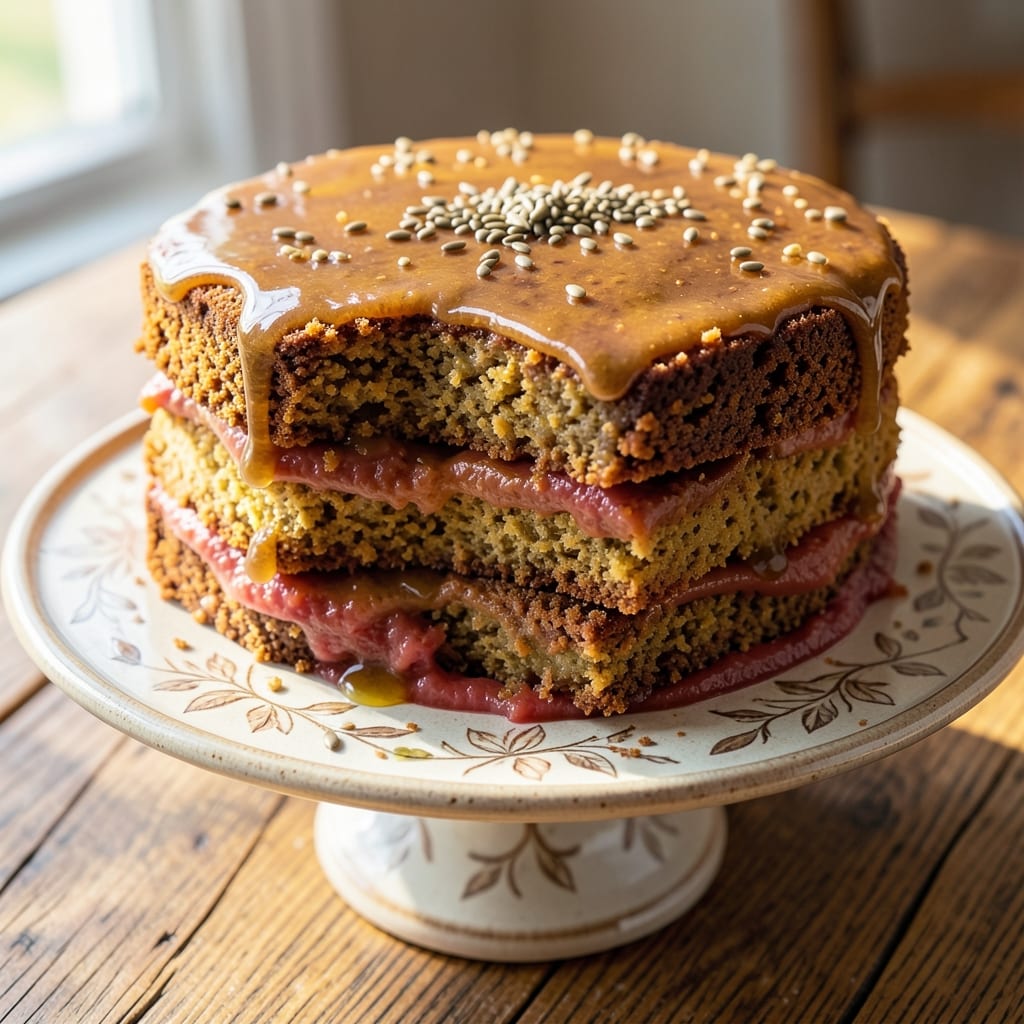
This gluten-free amaranth cake delivers a surprisingly rich, nutty flavor with a tender crumb that defies its grain-based foundation. 🌱 The secret lies in amaranth flour—a protein-packed, ancient grain that transforms into a moist, slightly sweet cake with deep earthy notes. Unlike dense grain cakes, this version stays light thanks to a clever leavening technique that creates airy pockets without gluten. What makes this recipe stand out is its ability to satisfy both dietary needs and flavor cravings. Amaranth flour provides natural sweetness and a satisfying bite, while the addition of applesauce and flaxseed ensures a tender, moist texture that lasts for days. The cake's subtle nuttiness pairs perfectly with a simple vanilla glaze or dusting of powdered sugar, making it ideal for celebrations or everyday indulgence. The result is a cake that's naturally gluten-free, vegan-friendly, and packed with nutrients—high in protein, fiber, and minerals like magnesium and iron. Each slice delivers that perfect balance of moisture and structure, proving that grain-based desserts can be just as impressive as traditional flour cakes. Ready in about 45 minutes, this recipe is perfect for bakers looking to explore ancient grains without compromising on taste. Whether you're accommodating dietary restrictions or simply curious about amaranth, this cake offers a sophisticated alternative to conventional desserts. The nutty depth and moist texture make it a standout choice for any occasion, from casual gatherings to special celebrations. Let's get baking!
Ingredients for amaranth cake
Ancient grain meets modern baking—these nutrient-rich ingredients create a gluten-free, vegan cake with surprising depth.
| Ingredient | Amount | Notes |
|---|---|---|
| Amaranth Flour 🌾 | 1 ½ cups | High-protein, finely milled preferred |
| Unsweetened Applesauce 🍎 | 1 cup | Unsweetened, no sugar added |
| Ground Flaxseed 🌿 | ½ cup | For flax eggs, freshly ground |
| Pure Maple Syrup 🍯 | ¾ cup | Grade A or B, no additives |
| Extra-Virgin Olive Oil 🫒 | ½ cup | Cold-pressed, fruity variety |
| Vanilla Extract 🌸 | 1 tbsp | Pure, alcohol-free preferred |
| Baking Powder 🧂 | 1 ½ tsp | Aluminum-free, gluten-free |
| Salt 🧂 | ½ tsp | Fine sea salt preferred |
| Pure Vanilla Bean Powder 🌸 | 1 tsp | Optional, for enhanced flavor |
| Unsweetened Almond Milk 🥛 | ½ cup | For moisture, unsweetened |
| Powdered Sugar 🍬 | ¼ cup | For glaze, sifted |
| Lemon Zest 🍋 | 1 tsp | Fresh, organic preferred |
Amaranth flour is the star here, and Bob's Red Mill or Anthony's Goods offer the finest quality. Look for a vibrant, earthy hue—this indicates freshness and high protein content. The flour can be pricey, so buy in bulk if possible; it keeps for up to 6 months in an airtight container. For the applesauce, unsweetened is critical—brands like Mott's Natural or Starkist unsweetened varieties work best. The flaxseed must be freshly ground to activate its binding properties, so invest in a small coffee grinder if you don't already have one.
No amaranth flour? Buckwheat flour or sorghum flour can substitute at a 1:1 ratio, though texture will vary slightly. Swap maple syrup for agave nectar or date syrup if needed, but avoid honey due to dietary restrictions. For the vanilla, imitation extractsBob's Red Mill or King Arthur brands are reliable. Lemon zest can be omitted if you prefer a neutral flavor profile, but it brightens the cake beautifully.
Store the cake in an airtight container at room temperature for 3-4 days or refrigerate for up to 1 week to maintain moisture. The glaze can be made ahead and refrigerated separately, then combined just before serving. For long-term storage, slice and freeze portions wrapped in plastic for up to 3 months. Reheat slices in the oven at 300°F for 5-10 minutes to restore freshness—this works especially well for gifts or meal prep.
Why You'll Love This Recipe
- No Mixer Needed: I swear by this recipe when my hands are full—just stir, pour, bake. The amaranth flour blends like a dream with applesauce and flaxseed, so you’re not fighting dough here. Honestly, the only tool you’ll miss is a whisk, and even that’s optional.
- Maple-Kissed Richness: That pure maple syrup doesn’t just sweeten—it adds a deep, caramel-like warmth that pairs perfectly with the nutty amaranth. The olive oil keeps it moist without tasting greasy, and the flaxseed? Tiny but mighty, giving it a subtle earthiness that’s oddly addictive.
- Breakfast or Dessert: I’ve served this cold with yogurt for a weekend brunch, and my kids devour it warm with a drizzle of honey as an after-school snack. The texture holds up whether you slice it thick or keep it whole—no crumbling, no fuss.
- Budget-Friendly Staples: Amaranth flour might sound fancy, but it’s cheaper than wheat flour in the long run, and the other ingredients? Pantry basics. Between us, I’ve made this for 12 people for under $10, and it’s still the star of potlucks. Leftovers? They disappear faster than I can say “second slice.”
Step-by-step instructions for gluten-free amaranth cake
This method delivers a perfectly moist, nutty cake with tender crumb—every time.
👨🍳 Step 1: Create Flax Eggs and Prep Wet Ingredients
In a small bowl, whisk together the 0.5 cup ground flaxseed with 0.5 cup unsweetened almond milk. Let this mixture sit for 5 minutes until it thickens into a gel-like consistency—this is your flax egg substitute. The flaxseed will expand and bind the cake just like traditional eggs.
In a separate large bowl, combine the 0.75 cup pure maple syrup, 0.5 cup extra-virgin olive oil, 1 tbsp vanilla extract, and 1 tsp lemon zest. Whisk vigorously for 1 minute until fully emulsified. The olive oil adds richness while keeping the cake tender, and the lemon zest brightens the earthy amaranth flavor. Let this mixture sit while you prepare the dry ingredients.
👨🍳 Step 2: Mix Dry Ingredients with Precision
In a medium bowl, sift together the 1.5 cups amaranth flour, 1.5 tsp baking powder, 0.5 tsp salt, and 1 tsp pure vanilla bean powder (if using). Sifting prevents lumps and ensures even distribution of leavening agents. The amaranth flour gives this cake its signature nutty depth and high-protein structure—don't substitute regular flour or the texture will suffer.
Make a well in the center of your dry ingredients and pour in the wet ingredient mixture. Using a rubber spatula, gently fold everything together just until combined—overmixing develops gluten and makes the cake dense. You'll see small streaks of flour remaining, and that's exactly what you want. The goal is to maintain that tender crumb we're after.
🔥 Step 3: Bake at Low Temperature for Even Cooking
Preheat your oven to 350°F and grease an 8-inch round cake pan or line it with parchment paper. Pour the batter into the prepared pan and smooth the top with a spatula. Tap the pan gently on the counter 3 times to remove any air bubbles—this ensures an even rise.
Bake for 35-40 minutes until a toothpick inserted in the center comes out clean. The cake should be golden on top but still slightly springy to the touch. I know it seems like a long time, but baking at this lower temperature prevents the amaranth from developing a bitter flavor and ensures even cooking throughout. Don't open the oven door before the 30-minute mark—temperature fluctuations can cause the cake to sink.
⏰ Step 4: Glaze and Rest for Perfect Texture
While the cake is still warm, whisk together the 0.25 cup powdered sugar with 2 tablespoons unsweetened almond milk (reserved from the original amount) until smooth. This simple glaze adds just the right amount of sweetness without making the cake heavy. Pour the glaze evenly over the warm cake and let it sit for 10 minutes to set.
Transfer the cake to a wire rack and let it cool completely before slicing. This resting period allows the internal structure to set properly, preventing crumbly slices. The cake will firm up as it cools, developing that perfect balance between moist interior and slightly crisp exterior. Serve at room temperature for the best texture—each slice should be tender with a delicate crumb and subtle nutty undertones from the amaranth.
Pro Tips For Making Amaranth Cake
- Whisk the Flaxseed: Mix the ground flaxseed with hot water first—just 5 seconds in the microwave—to turn it into a gel before adding it to the batter. I learned this the hard way when my cake turned out dense and gummy; the gel binds better and keeps the texture light. ---
- Preheat the Pan: Put your baking dish in the oven while it’s heating—no waiting. Amaranth flour loves heat, and a preheated pan guarantees even browning without a gummy center. (Yes, even if you’re impatient like me.) ---
- Don’t Overmix the Batter: Stir just until the dry ingredients disappear—maybe 10-12 strokes max. Amaranth flour develops gluten fast, and overmixing turns your cake tough. Stop when it looks like wet sand, not pancake batter. ---
- Use Cold Olive Oil: Chill the extra-virgin olive oil for 10 minutes before measuring—it thickens slightly, so you’ll get a more accurate ¼ cup without overdoing it. Warm oil can make the cake greasy, and nobody wants that.
Wine and beer pairings for these flavors
Earthy Whites
This amaranth cake's nutty depth pairs beautifully with dry Riesling from Germany or Austria—look for Dr. Loosen Blue Slate or Chateau Ste. Michelle. The wine's crisp acidity and subtle mineral notes complement the cake's earthiness without overpowering it. Serve slightly chilled to enhance the refreshing contrast. 🍷
Fruity Reds
For a red wine option, try a Pinot Noir with bright berry notes like Meiomi or La Crema. The wine's light body and red fruit flavors harmonize with the cake's natural sweetness, while its acidity cuts through the richness. Avoid heavy, tannic reds that would clash with the delicate texture. 🍇
Creamy Dessert Wines
If you prefer dessert wines, Moscato d'Asti from Italy offers a perfect match—its floral and peach notes enhance the cake's subtle sweetness. For something richer, a late-harvest Gewürztraminer with its lychee and spice undertones creates a luxurious pairing. Serve at room temperature for best results. 🍷
Craft Beer Options
A honey brown ale like Allagash Honey Brown brings out the cake's caramelized maple notes with its malty sweetness. For a lighter option, try a wheat beer with citrus notes like Blue Moon—the lemon zest in the cake echoes the beer's bright finish. Avoid hop-heavy IPAs that would compete with the cake's delicate flavors. 🍺
Coffee Pairing
For an after-dinner pairing, serve with light roast coffee—the nutty flavors of the amaranth complement the coffee's bean notes beautifully. A single-origin Ethiopian Yirgacheffe with its floral and citrus undertones creates an elegant contrast. Avoid dark roasts that would overpower the cake's subtle sweetness. ☕
Non-Alcoholic Options
For a refreshing non-alcoholic pairing, try sparkling apple cider like Martinelli's—the effervescence cleanses the palate between bites. Alternatively, a vanilla chai latte made with unsweetened almond milk mirrors the cake's flavors while adding warmth. Both options enhance the cake's natural sweetness without overpowering it. 🍎
Nutrition facts
Frequently asked questions
Can I substitute amaranth flour with regular flour?
The texture will suffer significantly—amaranth flour provides unique protein structure and nutty flavor that regular flour can't replicate. For a similar texture, try a 1:1 blend of buckwheat flour or sorghum flour, but expect slightly denser results. The cake's signature moisture and depth depend on amaranth's properties.
Why does my amaranth cake taste bitter?
Overbaking or using old amaranth flour are the most common causes. Bake only until a toothpick comes out clean (35-40 minutes at 350°F) and avoid opening the oven early. Fresh amaranth flour (within 6 months) has the best flavor—check for a vibrant color and nutty aroma before using.
How do I make this cake chocolate-infused?
Replace 0.5 cup of amaranth flour with 0.5 cup cocoa powder and add 1 tbsp instant espresso powder to enhance chocolate depth. Increase the maple syrup by 2 tbsp to balance the richness. The result will be a decadent, fudgy texture with the same moist crumb.
Can I make this cake nut-free?
Yes! Simply replace the almond milk with coconut milk and omit the lemon zest. For the flax eggs, use chia seeds instead (same ratio). The cake will still be moist and flavorful, though slightly less bright—consider adding 1 tsp orange zest for extra flavor.
How long does this cake keep fresh?
Store in an airtight container at room temperature for 3-4 days or refrigerate for up to 1 week. For longer storage, slice and freeze portions wrapped in plastic for 3 months. Reheat slices at 300°F for 5-10 minutes to restore freshness—perfect for meal prep!