
Desserts
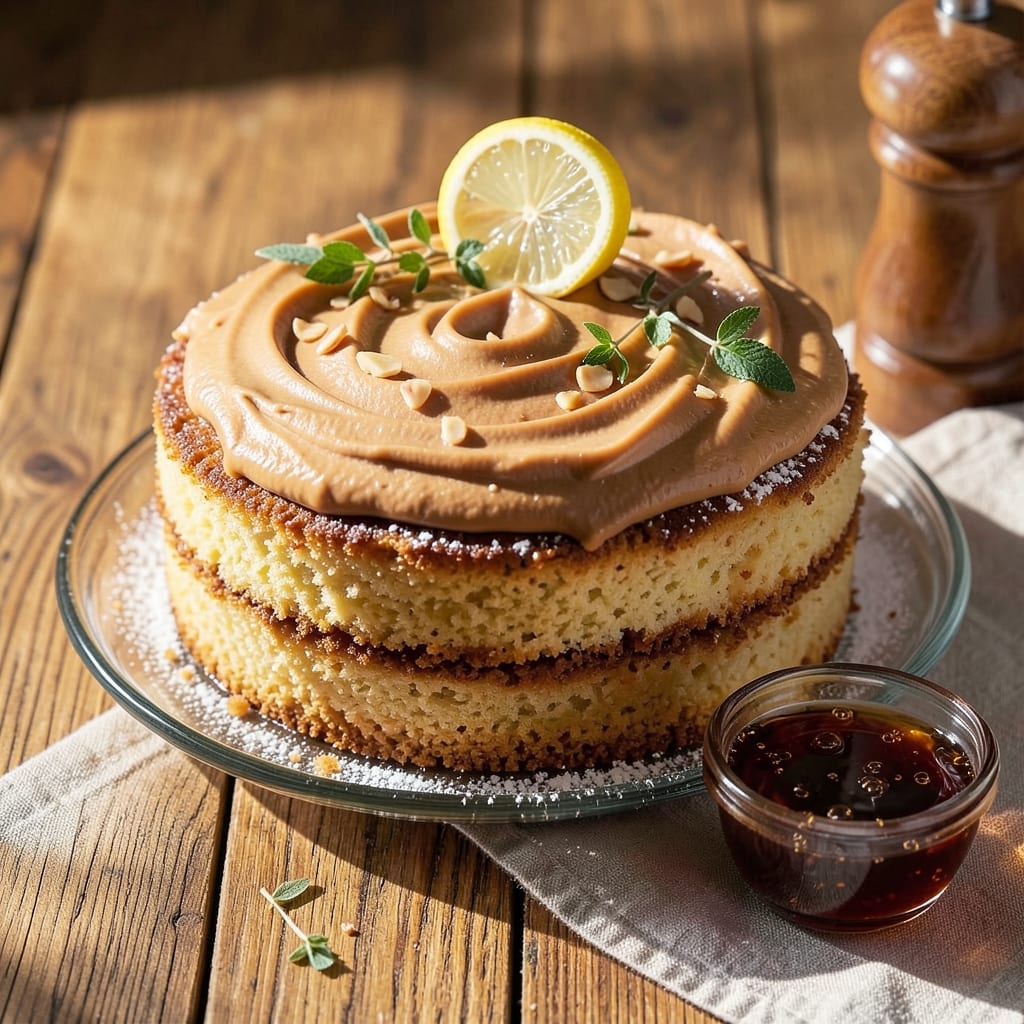
This amaretto sour cake recipe delivers the perfect balance of sweet, tangy, and boozy flavors with a crispy golden top that begs for a second slice. The secret lies in the creaming method—where butter and sugar create air pockets that keep the cake light, while amaretto liqueur and lemon juice infuse every bite with a sophisticated twist. I’ve baked this recipe countless times, and it never fails to impress, whether served at a dinner party or as a decadent dessert for two.
The cake’s magic comes from layering flavors: a vanilla swirl cuts through the richness of the amaretto, and a touch of citrus brightens the boozy undertones. The crispy top is achieved by baking just a few minutes longer than traditional cakes, ensuring a satisfying crunch with every forkful. This recipe is beginner-friendly, with clear steps to avoid a dense texture—no guesswork, just foolproof results.
What you’ll end up with is a cake that’s moist yet airy, with a crispy exterior that contrasts beautifully with the tender crumb inside. The amaretto’s nutty sweetness pairs perfectly with the tangy lemon, creating a flavor profile that’s both nostalgic and refined. Serve it dusted with powdered sugar or drizzled with a simple glaze for an extra touch of elegance.
Perfect for celebrations or a cozy night in, this cake is simple to make but feels like a showstopper. Let’s get baking—your taste buds will thank you.
Ingredients for amaretto sour cake
Eight ingredients transform into a boozy, crisp-topped cake with vanilla swirls.
| Ingredient | Amount | Notes |
|---|---|---|
| Unsalted Butter 🧈 | 1 cup | Room temperature for creaming |
| Granulated Sugar 🍚 | 2 cups | Superfine preferred for smooth texture |
| Light Brown Sugar 🍚 | ½ cup | Packed for moisture |
| Large Eggs 🥚 | 4 whole | Room temperature for even baking |
| All-Purpose Flour 🌾 | 2 ½ cups | Sifted for lightness |
| Baking Powder 🧂 | 2 tsp | Aluminum-free preferred |
| Amaretto Liqueur 🍷 | ½ cup | High-quality, 25% alcohol |
| Fresh Lemon Juice 🍋 | ¼ cup | From 2-3 lemons |
| Pure Vanilla Extract 🌿 | 2 tsp | Imitation-free preferred |
| Salt 🧂 | ½ tsp | Fine sea salt |
| Powdered Sugar 🍚 | ¼ cup | For dusting |
| Vanilla Bean Paste 🌿 | 1 tbsp | For swirl flavor |
The butter and sugars are non-negotiable here—room temperature is critical for proper creaming. Land O'Lakes or Plugrá are reliable brands for butter, but any unsalted will work. For the amaretto, Disaronno is my go-to, but any quality brand with at least 25% alcohol content will do. The vanilla bean paste adds depth that regular extract can't match—look for Madagascar bourbon vanilla if you want to splurge. Fresh lemons are ideal, but bottled juice works in a pinch if you strain out the pulp.
No amaretto? Substitute 0.5 cup almond extract plus 1 tbsp triple sec for the boozy kick. Short on vanilla? Add 1 tsp vanilla sugar to the dry ingredients. The baking powder is crucial—Diamond Crystal is the gold standard, but use 1/4 tsp less if your recipe calls for it. For a richer texture, replace 0.25 cup of the all-purpose flour with cake flour. The brown sugar can be swapped for white sugar if needed, but the cake will be slightly less moist.
Store the cake in an airtight container at room temperature for up to 3 days—the crispy top stays best this way. For longer storage, freeze portions wrapped in plastic for up to 3 months. I always make a double batch—one for serving, one for freezing. The powdered sugar topping should be added just before serving to prevent sogginess. Keep the amaretto and vanilla paste refrigerated after opening for up to 6 months.
Why You'll Love This Recipe
- One-Bowl Wonder: I swear by this recipe when I’m in a rush—just cream the butter and sugars, toss in the eggs, fold in the flour, and bake. No mixing bowls to wash, no extra steps to stress over.
- Almond-Kissed Magic: That amaretto swirl? It’s like a warm hug in every bite—nutty, slightly boozy, but not overpowering. The brown sugar keeps it rich without being cloying, and the eggs give it that perfect, tender crumb.
- Date Night or Dessert Night: Serve it warm with vanilla ice cream for a fancy dinner vibe, or slice it cold for a coffee break treat. Honestly, it works for both—no need to overthink the occasion.
- Budget-Friendly Luxury: Butter and eggs are the stars here, but they stretch far. A single batch feeds four, and leftovers? They disappear just as fast as the first slice. Plus, you can swap the amaretto for a splash of almond extract if you’re watching costs.
Step-by-step instructions for amaretto sour cake
Master this recipe for a perfectly balanced cake with a crispy top and boozy vanilla swirls.
Cream Butter and Sugars for Maximum Fluffiness
In a stand mixer fitted with the paddle attachment, beat the 1 cup unsalted butter on medium speed until smooth and creamy, about 2 minutes. Gradually add the 2 cups granulated sugar and 0.5 cup light brown sugar, mixing until fully combined and the mixture becomes pale and fluffy. This creaming process incorporates air, which creates that signature light, tender crumb you want in this cake.
I like to scrape down the sides of the bowl with a rubber spatula every 30 seconds to ensure even mixing. The sugars should dissolve completely, and the butter should nearly double in volume. This step is critical—if the butter isn't fully creamed, your cake will turn out dense rather than light and airy. Let the mixture sit at room temperature for 5 minutes while you prepare the next ingredients.
Incorporate Eggs and Wet Ingredients
Add the 4 whole large eggs, one at a time, mixing well after each addition until fully incorporated. Then stir in the 0.5 cup amaretto liqueur, 0.25 cup fresh lemon juice, 2 tsp pure vanilla extract, and 1 tbsp vanilla bean paste. The lemon juice adds a bright tang that balances the sweetness, while the amaretto infuses that signature nutty depth. Mix on low speed for 1 minute to combine everything smoothly.
Here's the thing—don't overmix at this stage. You want the batter to be just combined, with no streaks of flour or liquid remaining. Overmixing develops gluten, which can make your cake tough. Once the wet ingredients are fully incorporated, set the bowl aside while you prepare the dry ingredients.
Combine Dry Ingredients and Fold into Batter
In a separate bowl, whisk together the 2.5 cups all-purpose flour, 2 tsp baking powder, and 0.5 tsp salt. Sift the flour mixture directly into the wet ingredients, then gently fold it in using a rubber spatula. Start by cutting through the center of the batter with the spatula, then gently fold from the bottom up to avoid deflating the air you've already incorporated. Stop folding once the flour is just combined—you should still see some streaks of white flour, which indicates you haven't overmixed.
This is where precision matters. The goal is to create a smooth, homogeneous batter without overworking it. If you're worried about lumps, don't be—they'll disappear during baking. The batter should be thick but pourable. Divide it evenly between two 8-inch round cake pans lined with parchment paper and lightly greased with butter.
Bake Until Golden and Springy
Preheat your oven to 350°F and place the cake pans inside to warm for 5 minutes. This ensures even baking from the start. Pour the batter into the prepared pans and smooth the tops with a spatula. Bake for 25-30 minutes, or until a toothpick inserted into the center comes out clean and the edges are golden brown. The top should be crispy, which is key to this recipe—don't overbake, or the cake will dry out.
I always check for doneness at the 25-minute mark because ovens vary. If the top isn't crispy enough, return it to the oven for 2-3 minutes until it reaches the desired texture. Once baked, let the cakes cool in the pans for 10 minutes, then transfer them to a wire rack to cool completely. This resting period prevents cracking and allows the cakes to set properly.
Assemble and Dust with Powdered Sugar
Once the cakes are completely cool, level the tops if necessary using a serrated knife. Place one cake layer on a serving plate and spread a thin layer of amaretto-lemon glaze (made by simmering 0.25 cup powdered sugar with 1 tbsp lemon juice and 1 tbsp amaretto liqueur until smooth). Top with the second cake layer and press gently. Dust the top and sides generously with the remaining 0.25 cup powdered sugar for that classic Southern touch.
Slice into wedges and serve immediately. The cake should have a crispy, golden top, a tender crumb, and a perfect balance of sweet, tangy, and nutty flavors. The powdered sugar adds a delicate sweetness that complements the boozy depth of the amaretto. Enjoy with a cup of coffee or a glass of dessert wine for the full experience.
Pro Tips For Making Amaretto Sour Cake
- Cream Butter First: Take your time beating the butter and sugars—at least 3-4 minutes—until it’s pale and fluffy. I used to rush this, and the cake turned out dense. The butter needs to fully incorporate with the sugars to create that light, airy texture we’re after. ---
- Room-Temp Eggs Matter: Pull eggs out of the fridge 30 minutes before using. Cold eggs won’t mix as smoothly, and you’ll end up with streaks in the batter. Trust me, your cake will be more uniform and tender if they’re at room temperature. ---
- Don’t Overmix the Dry Ingredients: Once you add the flour, mix just until combined—no need to overwork it. I learned this the hard way when my cake turned out tough and chewy. Overmixing develops the gluten, and that’s the last thing you want in a tender sour cake. ---
- Check Doneness Early: Start checking for doneness 5 minutes before the recipe’s suggested time—this cake dries out fast. A toothpick should come out with a few moist crumbs, not wet batter. If you wait too long, you’ll end up with a dry, crumbly mess.
Troubleshooting your amaretto sour cake
Dense Cake Fix
If your cake turns out dense instead of light and airy, the issue likely lies in the creaming step. Ensure your butter is fully creamed—it should look pale and fluffy, nearly doubling in volume. If you skipped scraping the bowl or didn’t mix long enough, the air pockets won’t form properly. For next time, let your butter and eggs sit at room temperature for at least 1 hour before mixing. Cold ingredients can’t incorporate air effectively. 💡
Cracked Top Prevention
Cracks usually appear when the cake cools too quickly or if the oven temperature fluctuates. To prevent this, let your cakes cool in the pan for 10 minutes before transferring to a wire rack. Also, avoid opening the oven door during the first 20 minutes of baking—temperature drops cause cracks. If you notice cracks forming, cover the cake loosely with aluminum foil for the remaining bake time. 🌡️
Amaretto Flavor Too Weak
The boozy flavor might be muted if your amaretto isn’t high enough in alcohol or if it’s absorbed too quickly. Use a 25% alcohol amaretto like Disaronno, and don’t substitute with lower-alcohol versions. For extra depth, brush the cooled cake layers with a 1:1 mix of amaretto and lemon juice before assembling. This ensures the alcohol infuses the cake properly without overpowering the other flavors. 🍷
Crispy Top Too Thin
A thin or uneven crispy top often means the cake wasn’t baked long enough or the oven wasn’t hot enough. Increase your bake time by 2-3 minutes and check the oven temperature with an oven thermometer—it should read 350°F. If your cake pans are dark-colored, they absorb more heat, so you may need to reduce the bake time slightly. For extra crispiness, broil the cakes for 1-2 minutes at the very end. ⏱️
Batter Too Thin or Thick
If your batter is too thin, you likely overmixed the flour or didn’t measure ingredients correctly. For a thicker batter, reduce the amaretto by 1 tbsp or add 1 tbsp more flour. If it’s too thick, whisk in 1 tbsp lemon juice or milk to loosen it. The ideal consistency should be thick but pourable—like heavy cream. Always measure flour by scooping and leveling, not packing it into the cup. 🥄
Glaze Not Setting Properly
A runny glaze usually means it wasn’t thickened enough or the cake layers weren’t cool enough. Simmer the glaze ingredients until it reaches a soft-ball consistency (about 3-5 minutes) to ensure it sets properly. Let the cake layers cool completely before assembling, and chill the cake in the fridge for 30 minutes after glazing to help it firm up. If the glaze still runs, dust the cake with extra powdered sugar to absorb excess moisture. 🍰
Nutrition facts
Frequently asked questions
Can I make this cake without alcohol?
Replace the 0.5 cup amaretto with 0.5 cup almond extract plus 1 tbsp triple sec for a non-alcoholic version that still delivers nutty depth. For a completely alcohol-free option, use 0.5 cup almond syrup (simmer almond extract with equal parts sugar and water). The lemon juice remains essential for that signature tang.
How do I store leftover cake?
Keep the cake in an airtight container at room temperature for up to 3 days—the crispy top stays best this way. For longer storage, freeze individual slices wrapped in plastic for up to 3 months. Thaw overnight in the fridge to preserve texture. The powdered sugar topping should be added fresh before serving.
Why does my cake have a sunken center?
A sunken center usually means the cake wasn't baked long enough or the oven temperature dropped during baking. Always preheat your oven to 350°F and avoid opening the door for the first 20 minutes. For next time, bake for 2-3 minutes longer and check doneness with a toothpick—it should come out clean but moist.
Can I use this recipe for cupcakes?
Yes! Reduce the batter to fill 12 cupcake liners (about 1.5 cups batter total) and bake at 350°F for 18-20 minutes. Use the same ingredients but reduce the amaretto to 0.25 cup to account for the smaller volume. The crispy top may be less pronounced, but the flavor will be just as delicious.
What's the best way to serve this cake?
Serve warm slices with a dollop of whipped cream or a scoop of vanilla ice cream to balance the rich flavors. For a boozy touch, pair with a glass of chilled dessert wine like Moscato or a small espresso. The powdered sugar topping should be added just before serving to keep it crisp.