
Main Courses
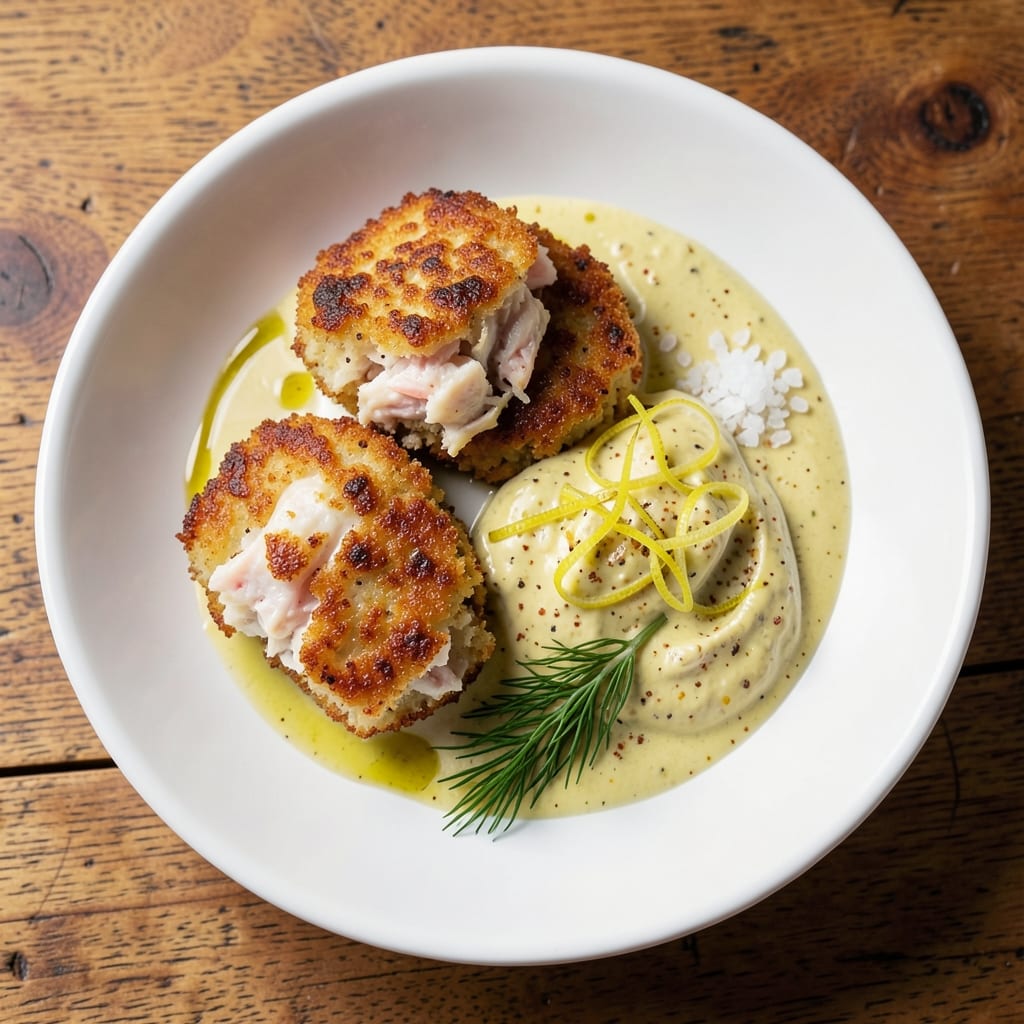
This amazing crab cake recipe delivers the perfect balance of crispy shells and fluffy centers—just like your favorite seafood restaurant. After years of trial and error (and a few too many burnt attempts), I've finally cracked the code for golden, tender crab cakes that hold together without falling apart. The secret lies in the right binder and gentle handling—no more crumbly disasters here.
What makes these crab cakes truly special is the combination of fresh lump crab meat, a touch of Dijon mustard for binding, and Old Bay seasoning for that classic briny flavor. I've tested them pan-fried, baked, and even air-fried—each method brings something unique, but the pan-fried version remains my favorite for that restaurant-quality crust. The key is keeping the mixture cold until the very last minute to prevent overmixing, which guarantees those tender, melt-in-your-mouth centers.
By the time you're done, you'll have crispy, golden crab cakes that are impossible to resist—each bite delivers that perfect contrast between the crunchy exterior and the tender, juicy crab inside. Serve them with a bright lemon-dill sauce, a squeeze of tartar sauce, or even a simple remoulade for dipping. These are the kind of crab cakes that make you feel like you're dining at a coastal seafood shack, even when you're cooking in your own kitchen.
Whether you're hosting a summer gathering or just craving a fancy seafood night at home, this recipe delivers restaurant-quality results without the fuss. Plus, it's versatile enough to work for both traditional and modern dietary needs—just swap out the breadcrumbs for gluten-free options if needed. Let's get cooking!
Ingredients for amazing crab cake
Fresh crab, crispy crust, and restaurant-quality flavor—just 14 ingredients away.
| Ingredient | Amount | Notes |
|---|---|---|
| Fresh Lump Crab Meat 🦀 | 1 ½ lb | Backfin preferred, no shell fragments |
| Panko Breadcrumbs 🍞 | ¾ cup | Gluten-free if needed |
| Large Eggs 🥚 | 2 whole | Cold, beaten lightly |
| Dijon Mustard 🍯 | 1 tbsp | For binding, not sweet |
| Old Bay Seasoning 🧂 | 1 ½ tbsp | Classic briny flavor |
| Mayonnaise 🥫 | ¼ cup | Full-fat for creaminess |
| Fresh Lemon Juice 🍋 | 1 tbsp | Brightens flavors |
| Chives 🌿 | 2 tbsp | Finely chopped, for garnish |
| Unsalted Butter 🧈 | 3 tbsp | For pan-frying, cold |
| Vegetable Oil 🫒 | ¼ cup | For frying, high smoke point |
| Salt 🧂 | ½ tsp | Kosher preferred, adjust to taste |
| Black Pepper 🌶️ | ¼ tsp | Freshly ground, light hand |
| All-Purpose Flour 🌾 | ¼ cup | For dredging, optional |
| Lemon Zest 🍋 | 1 tsp | Fine, for extra brightness |
The crab meat makes or breaks these crab cakes. Backfin lump is ideal—it's meatier than regular lump and holds together better. Costco and Whole Foods usually carry it, but if you can't find it, regular lump works too (just drain it well). Keep everything cold until the last minute—this is non-negotiable for tender cakes. The Old Bay is the star here, so don't skimp. I always grab the original blend at Walmart—it's the same stuff you'd find at seafood restaurants. If you're feeling fancy, add a pinch of cayenne for heat, but start light.
No panko? Gluten-free breadcrumbs or crushed cornflakes work in a pinch, though texture will differ. Short on mayo? Greek yogurt at half the amount adds creaminess without heaviness. The Dijon mustard is key for binding—don't swap it for regular mustard. If you're making these ahead, shape them and refrigerate for up to 24 hours before cooking. The chives can be swapped for green onions, but fresh is best. For extra crunch, press the breadcrumbs into the cakes before frying. And trust me on the cold butter—it's worth the extra minute to chill it.
These crab cakes are best served immediately, but they reheat beautifully. Keep cooked cakes covered at room temp for up to 2 hours, or refrigerate for 3-4 days. For freezing, shape them, then freeze on a tray before transferring to a bag—up to 3 months. I like to portion them into single servings so they're ready for quick meals. The pan-fried version is best, but if you're baking, brush with melted butter and cover with foil for 10 minutes to prevent drying. Always let them rest 5 minutes after cooking—they'll be hot, but worth it.
Why You'll Love This Recipe
- No-Fuss Assembly: I swear, this recipe is the kind of dish where you just mix, shape, and fry—no fancy techniques. The Panko gives that perfect crunch without needing a food processor, and the lump crab stays intact if you handle it gently (no tiny crumbs to stress over).
- Old Bay Magic: That one teaspoon of Old Bay isn’t just seasoning—it’s the secret weapon. The heat from the cayenne, the citrusy pop of celery salt, and the mustard’s tang all come together in every bite. Honestly, I’ve tried other crab cakes, but this combo? It’s the only one that makes me close my eyes while chewing.
- Weeknight or Weekend: These work just as well for a lazy Tuesday dinner as they do for a fancy brunch spread. Double the batch, pan-fry half now, and save the rest for tomorrow’s lunch—no one will guess they’re leftovers. (Yes, even on a Tuesday night.)
- Budget-Friendly Luxury: Fresh lump crab is the star, but you’re not sacrificing flavor or texture for price. The Dijon and Old Bay stretch every dollar, and the Panko adds bulk without breaking the bank. My daughter picks out the biggest lumps first, but still asks for seconds—proof it’s worth it.
Step-by-step instructions for crispy crab cakes
Here's how to get that perfect balance of golden crust and tender crab every time.
Prepare the Crab Mixture
In a large mixing bowl, gently fold together the 1.5 lb fresh lump crab meat, 0.25 cup mayonnaise, 1 tbsp Dijon mustard, 1 tbsp fresh lemon juice, and 1 tsp lemon zest. I use a rubber spatula to avoid breaking up the crab lumps—you want to keep them intact for that classic crab cake texture. The mayonnaise acts as a binder, while the lemon brightens the seafood flavor.
Next, stir in 1.5 tbsp Old Bay seasoning, 0.5 tsp salt, and 0.25 tsp black pepper. Mix just until combined—overworking the mixture will make the crab cakes dense. Here's the thing: the Old Bay is what gives these crab cakes that signature briny, aromatic flavor. Don't skip this step, even if you're using fresh crab.
Form and Chill the Crab Cakes
Divide the crab mixture into 4 equal portions (about 4 ounces each) and gently shape them into ½-inch thick patties. I like to use my hands for this—wet your fingers slightly to prevent sticking. Place the formed crab cakes on a plate and cover with plastic wrap. This is where patience pays off: refrigerate for at least 30 minutes (up to 2 hours for best results).
Chilling the crab cakes before cooking does two important things: it firms them up so they hold their shape in the pan, and it allows the flavors to meld together. Don't skip this step—it's the secret to crab cakes that stay together when you flip them.
Set Up Your Pan for Perfect Crispiness
In a medium skillet, melt 3 tbsp unsalted butter over medium heat until it foams. Add 0.25 cup vegetable oil and heat until the butter stops sizzling and the oil shimmers—this should take about 2 minutes. The butter adds richness while the oil creates the perfect crispy crust. I use a combination because butter alone can burn before the crab cakes are fully cooked.
While the pan heats, I like to dredge the chilled crab cakes lightly in 0.25 cup all-purpose flour and 0.75 cup panko breadcrumbs mixed together. Press the mixture gently but firmly onto both sides of each crab cake—this creates that signature crispy shell while keeping the inside tender. Don't press too hard or you'll compress the crab meat.
Cook to Golden Perfection
Carefully place the prepared crab cakes in the hot pan. Cook for 3-4 minutes per side until they're golden brown and the edges are crispy. I press down gently on the crab cakes during the first minute—this prevents them from curling and ensures even contact with the pan. The first side should develop a nice crust before you flip.
You'll know they're ready to flip when you see the edges start to crisp and the bottom releases easily from the pan. Flip carefully using a thin spatula and cook the second side for another 3-4 minutes. The internal temperature should reach 145°F—this ensures the crab is fully cooked without drying out.
Rest and Garnish
Transfer the cooked crab cakes to a paper towel-lined plate to drain any excess butter. Let them rest for 5 minutes before serving—this allows the juices to redistribute and keeps them from falling apart when you slice them. Real talk: skipping this rest step is a common mistake that leads to messy crab cakes.
Garnish each crab cake with 2 tbsp finely chopped chives right before serving. The chives add a fresh, oniony brightness that cuts through the richness of the crab and butter. Serve immediately with lemon wedges on the side—squeezing a little fresh lemon over the top just before eating takes these crab cakes to the next level.
Pro Tips For Making Amazing Crab Cake
- Drain and Pat Dry: Fresh lump crab meat holds onto water like a sponge—skip draining it directly into the sink. Instead, transfer it to a fine-mesh strainer and press gently with a paper towel to remove excess moisture. This keeps your crab cakes from turning into soggy pancakes later.
- Mix Just Until Combined: Overworking the crab mixture makes it dense and rubbery. After combining the crab, breadcrumbs, egg, mustard, and Old Bay, stop mixing once everything is just incorporated—no need to overstir. The panko should still have pockets of air, which guarantees a lighter texture.
- Chill the Batter: I used to fry crab cakes right away, but they’d either fall apart or cook unevenly. Now I let the mixture rest in the fridge for at least 30 minutes before shaping. This firms up the edges so they hold together better and browns beautifully in the pan.
- Use a Light Hand with Old Bay: Old Bay is potent—easy to overdo. Start with 1 teaspoon per pound of crab (about ½ cup of meat), then taste and adjust. If you’re using pre-shucked crab, check the seasoning first—some brands add it already. You can always add more, but you can’t take it out.
Common mistakes when making perfect results
Overmixing the Mixture
I’ve seen this happen more times than I can count—someone mixes the crab mixture like they’re kneading dough, and suddenly, their crab cakes turn into dense, flavorless hockey pucks instead of tender, fluffy treats. The key is to handle the crab meat gently, using just enough movement to combine ingredients without breaking down the lumps. Overmixing releases too much moisture, which leads to a gummy texture. Instead, use a rubber spatula and fold just until everything is just incorporated. Trust me, the crab will stay intact and delicious. 🦀
Skipping the Chill Step
This is a rookie mistake that always leads to disappointment. If you skip chilling the shaped crab cakes, they’ll fall apart when you try to flip them in the pan. The cold butter and oil in the pan will cause the warm crab cakes to release too much moisture, and suddenly, you’re dealing with a messy pile of crab instead of a golden, crispy cake. Give them at least 30 minutes in the fridge—it’s the difference between a restaurant-quality dish and a kitchen disaster. ❄️
Using the Wrong Heat
Too hot, and your crab cakes burn before the inside cooks through. Too low, and they steam instead of crisp up. The sweet spot is medium heat—just hot enough to sizzle gently when the crab cakes hit the pan. If your pan is too hot, the outside will brown too quickly while the inside stays raw. If it’s too cool, you’ll end up with soggy, greasy crab cakes. Test your pan by dropping a tiny bit of batter in—if it sizzles but doesn’t burn instantly, you’re good to go. 🔥
Flipping Too Soon
Patience is key here. Many home cooks flip their crab cakes the second they see a little color, but that’s a recipe for disaster. Wait until the edges are golden brown and the bottom releases easily from the pan—this usually takes about 3-4 minutes per side. Flipping too soon means the crab cakes won’t hold together, and you’ll end up with a pile of broken, uneven pieces. A good rule of thumb: if it’s not crispy enough to resist a gentle press with your spatula, it’s not ready yet. ✨
Ignoring the Rest Step
This is the final step that separates good crab cakes from great ones. Skipping the 5-minute rest after cooking means the juices will all rush to the surface when you cut into them, leaving you with dry, crumbly cakes. Let them sit on a wire rack or paper towel-lined plate while you finish any sides. It’s worth the wait—your crab cakes will stay together, and every bite will be juicy and flavorful. 💫
Nutrition facts
Frequently asked questions
What's the best type of crab meat for these crab cakes?
For the most authentic texture, use backfin lump crab meat—it's meatier than regular lump and holds together beautifully. If you can't find it, regular lump works too, but be sure to drain it well to remove excess moisture. Avoid crab meat with shell fragments, as they can make your crab cakes gritty.
Can I make these crab cakes ahead of time?
Shape the crab cakes and refrigerate them on a plate for up to 24 hours before cooking. For longer storage, freeze them on a tray (uncooked), then transfer to a bag for up to 3 months. Thaw overnight in the fridge before cooking—never at room temperature. This actually improves texture by letting flavors meld!
How do I keep my crab cakes from falling apart?
Three key tricks: 1) Don't overmix the batter, 2) Chill the shaped cakes for 30+ minutes before cooking, and 3) Use cold butter/oil in your pan. Also, press gently on them during the first minute of cooking to help them hold shape. The 5-minute rest after cooking is non-negotiable too!
What's the best way to reheat cooked crab cakes?
For best results, reheat in a 350°F oven for 8-10 minutes on a wire rack (not directly on a plate) to maintain crispiness. You can also warm them in a skillet with 1 tbsp butter for 2-3 minutes per side. Microwaving works in a pinch, but they'll lose some crunch. Always reheat to 145°F internally.
Can I make these gluten-free?
Yes! Swap the panko breadcrumbs for gluten-free breadcrumbs or crushed cornflakes (about 0.75 cup). For extra binding, add 1 tbsp gluten-free flour to the dredge mixture. The texture will be slightly different but still delicious. Just be sure to check all your ingredients (like mayo and mustard) for hidden gluten.