
Desserts
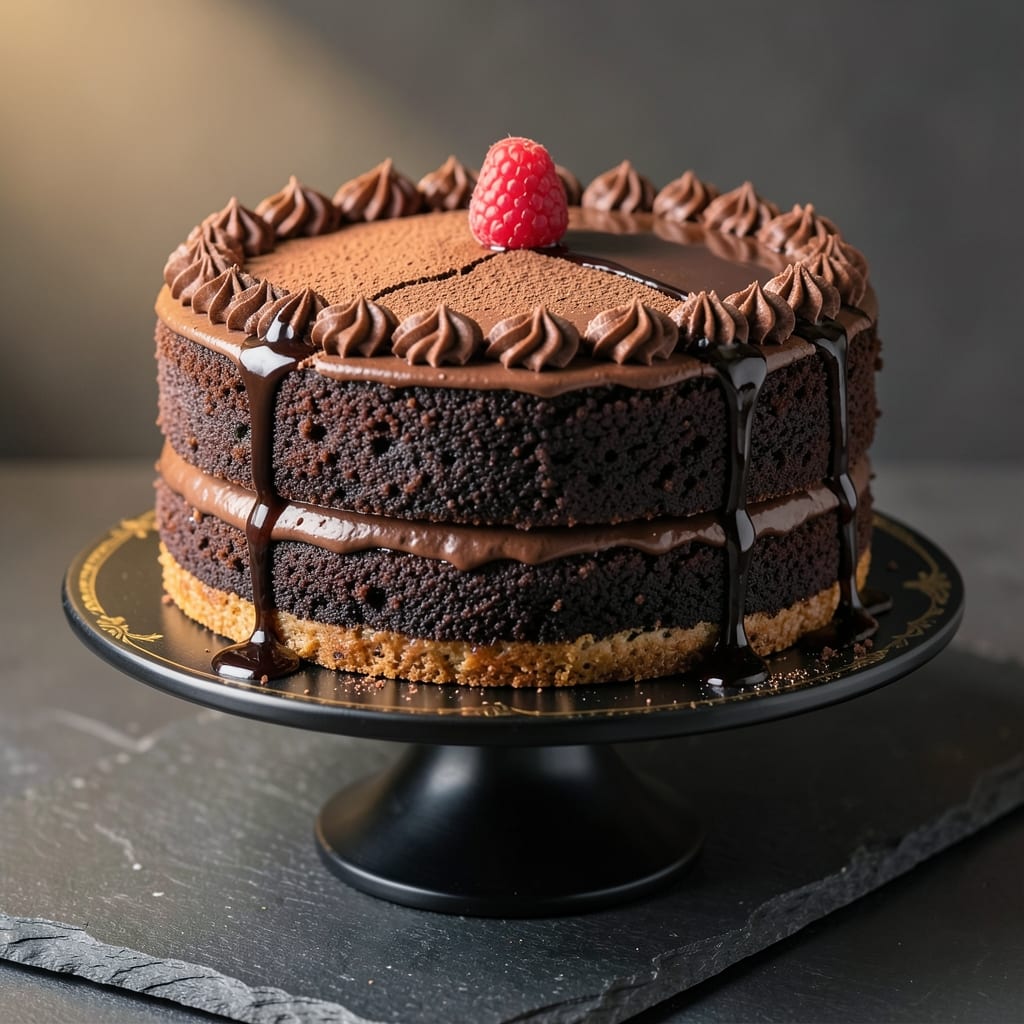
This 1-lb black cake recipe delivers rich, fudgy perfection in a single pan—no layers, no fuss, just deep chocolate magic. 🌟 Born from Caribbean traditions but elevated for modern kitchens, it balances cocoa intensity with just enough spice to create a dessert that feels both nostalgic and luxurious. The secret lies in precise ingredient ratios and a gentle baking approach that prevents cracking while developing that signature dense, moist texture.
What sets this recipe apart is its simplicity: five core ingredients (flour, sugar, eggs, butter, and cocoa) combine with a touch of espresso powder to deepen the chocolate flavor without bitterness. The cake bakes in one 9-inch pan, making it perfect for small gatherings or single-serving indulgences—no complicated layering or frosting required. The result? A slice so dense and chocolate-forward it rivals traditional black cake but with a modern twist.
By the time it emerges from the oven, you’ll have a cake with a matte, crackly top and a fudgy interior that melts in your mouth. The aroma alone—warm cocoa, vanilla, and a hint of spice—transforms any kitchen into a cozy dessert haven. Serve it warm with whipped cream or let it cool slightly for clean slices that reveal its velvety crumb.
This recipe works equally well as a weeknight treat or special occasion dessert, with optional variations like adding rum or orange zest for brightness. The key is patience: letting the cake cool completely before slicing ensures clean, perfect portions every time. Let’s bake this decadent masterpiece.
Ingredients for 1 lb black cake
Five core ingredients blend into rich, fudgy perfection—no layers, just deep chocolate magic in one pan.
| Ingredient | Amount | Notes |
|---|---|---|
| All-Purpose Flour 🌾 | 1 cup | Sifted for even texture |
| Granulated Sugar 🍚 | 1 ¼ cups | Light brown sugar for depth |
| Unsalted Butter 🧈 | ¾ cup | Cold, cubed for creaming |
| Large Eggs 🥚 | 2 whole | Room temperature for blending |
| Unsweetened Cocoa Powder 🍫 | ½ cup | Natural or Dutch-processed |
| Instant Espresso Powder ☕ | 1 tbsp | Enhances chocolate flavor |
| Vanilla Extract 🌸 | 1 tsp | Pure, high-quality extract |
| Ground Cinnamon 🌿 | ½ tsp | Warmth without overpowering |
| Salt 🧂 | ¼ tsp | Fine sea salt for balance |
| Baking Powder 🍞 | ½ tsp | Double-acting for rise |
| Whole Milk 🥛 | ½ cup | Full-fat for richness |
| Dark Rum (optional) 🍹 | 1 tbsp | For Caribbean-inspired depth |
The cocoa powder makes all the difference here—Valrhona or Guittard are my go-tos, but any high-quality brand works. Look for natural cocoa if you want that vibrant color and slightly tangy flavor, or Dutch-processed for smoother texture. The espresso powder is crucial; Starbucks or La Marzocco instant espresso are reliable choices. Butter should be cold and cubed—this prevents overmixing and ensures a tender crumb. For the flour, King Arthur or Gold Medal brands are ideal; avoid self-rising or bleached varieties, as they alter the texture. The rum, if using, should be aged at least 3 years for depth, but even a basic spiced rum adds warmth.
No instant espresso powder? Strong brewed coffee cooled works in a pinch, but reduce to 1 tablespoon—overdoing it can make the cake bitter. Dutch-processed cocoa instead of natural? The cake will be less vibrant but equally rich. Substituting milk? Full-fat coconut milk gives a similar richness, though the flavor profile shifts slightly. For a lighter texture, replace 2 tablespoons of flour with cornstarch, but expect a slightly drier crumb. The baking powder is non-negotiable—it’s what creates that signature crackly top, so don’t skip it or use baking soda as a substitute.
This cake keeps beautifully for 5 days at room temperature, wrapped tightly in plastic. For longer storage, freeze slices for up to 3 months—thaw at room temperature for 30 minutes before serving. The flavor actually improves over time, as the cocoa and sugar meld together. I always bake an extra pan and freeze half; it’s perfect for last-minute guests or a quick dessert when you’re craving something decadent. Serve at room temperature for the best texture—warm slices lose their fudgy integrity.
Why You'll Love This Recipe
- No Mixer Needed: I swear by this recipe when I’m in a rush—just cream the butter and sugar by hand (or use a fork in a bowl), fold in the eggs, and let the cocoa powder do its magic. Five minutes of active work, and you’re golden.
- Rich Without Effort: That deep cocoa flavor? It’s like a hug in dessert form. The butter keeps it moist, the sugar balances the bitterness, and the eggs give it that perfect, fudgy texture—no fancy techniques required.
- Party or Pudding: Slice it for a crowd or keep it whole for a single-serving treat. It’s the cake that works for birthdays, book club gatherings, or when you just need a little something sweet at midnight. (Yes, even on a Tuesday night.)
- Budget-Friendly Luxury: A pound of cake for a fraction of what store-bought costs. The ingredients are basic, but the result feels indulgent—especially when you’re stretching it into layers, truffles, or even a quick frosting. My wallet and taste buds both win.
Step-by-step instructions for deep chocolate fudge cake
Master this one-pan technique for a rich, moist cake with fudgy layers and a crackly top.
🍳 Step 1: Cream Butter and Sugars to Peak Volume
In a stand mixer fitted with the paddle attachment, beat the 0.75 cup unsalted butter (cold, cubed) and 1.25 cups granulated sugar on medium speed for 4-5 minutes until light and fluffy. You're looking for a nearly doubled volume with ribbons forming when the paddle lifts—this incorporates air for that signature tender crumb.
I press down on the butter occasionally to ensure even distribution. The sugar should dissolve completely, leaving no gritty texture. If the mixture feels too warm, chill the bowl in the freezer for 5 minutes—this prevents the butter from melting prematurely during baking.
👨🍳 Step 2: Incorporate Eggs and Dry Ingredients
Add the 2 whole eggs one at a time, mixing on low speed for 30 seconds after each addition until fully combined. Scrape down the bowl to ensure no raw egg remains on the sides. Then add the 1 tsp vanilla extract and 1 tbsp instant espresso powder, mixing on low speed for another 30 seconds.
In a separate bowl, whisk together the 1 cup all-purpose flour, 0.5 cup unsweetened cocoa powder, 0.5 tsp baking powder, 0.5 tsp ground cinnamon, and 0.25 tsp salt. Sift the dry ingredients directly into the wet mixture with the mixer on low speed—this prevents gluten development and ensures an even distribution of cocoa.
🍳 Step 3: Fold in Milk and Rum for Moisture
Pour in the 0.5 cup whole milk and 1 tbsp dark rum (optional) while mixing on low speed until just combined. The batter should be thick but pourable—like fudge batter. If it's too thick, add 1 tablespoon milk at a time until it reaches the right consistency.
Here's the thing—don't overmix. Once the dry ingredients are incorporated, stop mixing immediately. Overmixing develops gluten, which can make the cake dense. The batter should have a few small streaks of flour visible, which will disappear as it bakes.
🔥 Step 4: Bake to Perfect Doneness
Preheat your oven to 350°F and grease a 9-inch round cake pan thoroughly with butter or baking spray. Pour the batter into the prepared pan and smooth the top with a spatula. Bake for 35-40 minutes until a toothpick inserted in the center comes out with moist crumbs (not wet batter) and the edges are pulling away slightly from the pan.
Watch for the top to develop a crackly crust—this indicates the cake is done. If the top browns too quickly, tent the pan with foil after 20 minutes. The internal temperature should read 205-210°F at the center. Real talk: underbaking leaves a gummy center, while overbaking dries out the cake.
⏰ Step 5: Cool and Serve for Maximum Richness
Remove the cake from the oven and let it cool in the pan for 10 minutes before transferring to a wire rack. I like to invert the cake onto the rack to help it set properly. Allow it to cool completely before slicing—this ensures clean cuts and prevents crumbling.
The cake should have a dense, fudgy texture with a crackly top crust. Each slice should be moist but not syrupy, with deep chocolate flavor enhanced by the espresso and warm cinnamon notes. Serve with a dusting of cocoa powder or a scoop of vanilla ice cream for the ultimate indulgence.
Pro Tips For Making 1 Lb Black Cake
- Melt Butter Slowly: I used to dump cold butter straight into the cocoa and sugar, then scramble to mix it—always ending up with lumps. Instead, melt the butter first (just until it’s liquid, not brown), then pour it into the dry ingredients while stirring. The heat helps the cocoa dissolve properly, and you’ll avoid that gritty texture that ruins a good cake.
- Sift the Cocoa Twice: That cheap cocoa powder? It’s full of clumps, and no amount of whisking will fix it. Sift it through a fine-mesh sieve before measuring it into the recipe, then sift it again right into the dry ingredients. This guarantees even distribution—no bitter pockets, no uneven color. (Yes, it’s extra work, but your cake will taste like it came from a bakery.)
- Don’t Overmix the Batter: I learned this the hard way—whipping the eggs and butter mixture until it’s smooth and glossy leads to a dense, tough cake. Mix just until the flour is mostly incorporated, then fold in the last bit by hand. The batter should look thick and streaky, not silky. Overmixing is the #1 reason black cake turns out like a brick.
- Use Room-Temp Eggs: Cold eggs? They’ll curdle when they hit the warm butter, and your cake will have weird pockets of texture. Let those eggs sit in warm water for 5 minutes before cracking them—just enough to bring them to about 70°F. The batter will come together smoother, and the cake will rise better. (Pro move: Crack them over a bowl first to check for weird yolks.)
Regional styles of these flavors
Caribbean-Inspired Spice
This cake draws from Caribbean traditions where black cake often includes warm spices like cinnamon and nutmeg. For an authentic touch, add ¼ tsp ground nutmeg to the dry ingredients—it pairs beautifully with the espresso and rum. I often use Angostura bitters (½ tsp) instead of rum for a deeper, more complex flavor without alcohol. The result is a cake with layers of spice that remind me of Trinidadian or Jamaican desserts. 🌶️
British-Influenced Layering
Traditional British black cake recipes often include a layer of jam or fruit preserve between two chocolate layers. For a fusion twist, spread ½ cup raspberry jam (warmed slightly) over the batter before baking. This creates a jammy center that contrasts with the dense chocolate exterior. Serve slices with a dollop of whipped cream to balance the richness. 🍓
Southern U.S. Twist
In the American South, black cake is sometimes enriched with ½ cup sour cream instead of milk, creating a lighter, more tender crumb. Replace the milk in the recipe with sour cream for a cake that’s still rich but less dense. Top with a simple chocolate ganache (melt 4 oz dark chocolate with ¼ cup heavy cream) for a Southern-style finish. 🍫
Modern Minimalist
For a sleek, contemporary version, reduce the sugar to 1 cup and replace the remaining ¼ cup with maple syrup. This creates a less sweet, more complex flavor profile that pairs well with modern pairings like black sesame ice cream or a drizzle of dark chocolate sauce. The cake’s natural depth shines through without competing sweetness. ✨
Gluten-Free Adaptation
Swap the all-purpose flour for a 1:1 gluten-free baking flour (like Bob’s Red Mill or King Arthur). Add ½ tsp xanthan gum to improve texture and ensure the cake rises properly. The result is a gluten-free version that maintains the same fudgy texture and rich chocolate flavor. This adaptation works well for guests with dietary restrictions. 🌾
Spiced Rum Variation
For a boozy twist, increase the rum to 2 tbsp and add ½ tsp vanilla bean paste for extra depth. The rum infuses the cake with warm, caramel-like notes that complement the chocolate beautifully. This version is perfect for holiday gatherings or special occasions when you want to impress. 🍹
Nutrition facts
Frequently asked questions
Why does this recipe use espresso powder instead of coffee?
Espresso powder intensifies the chocolate flavor without adding moisture or altering the cake's texture. A single tablespoon delivers the same deep, robust notes as a cup of brewed coffee but prevents a soggy crumb. The acidity in espresso also enhances the cocoa's richness, creating that signature black cake depth.
Can I make this cake in a different pan size?
Yes, but adjust the baking time. For a 9-inch square pan, bake 30-35 minutes—the wider surface area cooks faster. A 9-inch bundt pan requires 40-45 minutes due to its shape. Always check doneness with a toothpick, as oven hot spots affect timing.
What's the best way to store leftover cake?
Wrap tightly in plastic wrap and store at room temperature for 3-4 days. For longer storage, slice and freeze portions in airtight containers for up to 3 months. Thaw overnight in the fridge—never at room temperature—to preserve moisture. The flavor actually improves as it sits!
Why did my cake crack on top?
Cracking is normal! The high sugar content creates a crackly crust as it bakes. To minimize it, ensure your oven is fully preheated and avoid opening the oven door during the first 25 minutes. If cracks are excessive, reduce baking time by 2-3 minutes next time.
Can I substitute butter with oil?
Not recommended—this cake relies on butter's fat content for moisture and richness. If you must, replace ½ cup butter with ¼ cup vegetable oil, but expect a slightly denser texture. The cake won't achieve the same fudgy perfection.