
Desserts
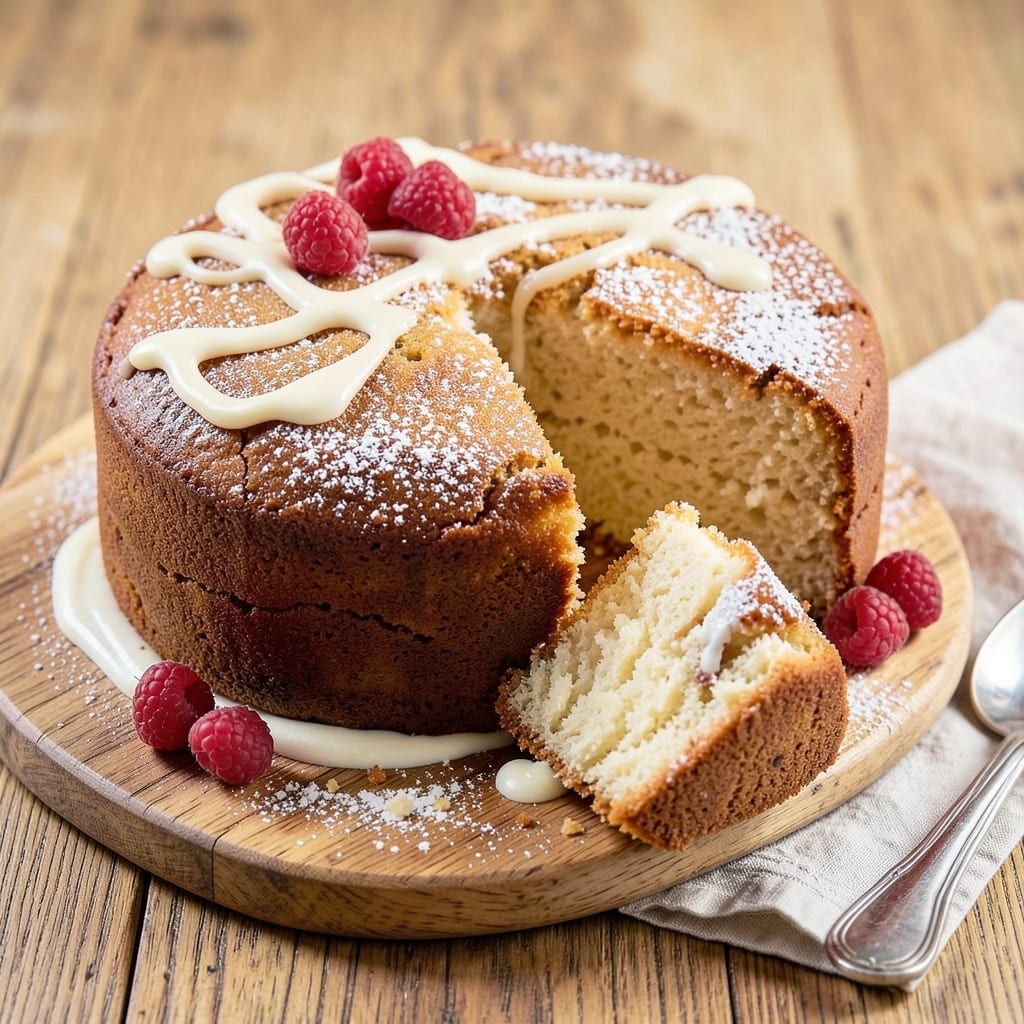
This 1 lb butter pound cake recipe delivers a tender, ultra-moist crumb that crumbles perfectly with every slice—no dry edges in sight. The secret lies in creaming butter and sugar until light and fluffy, a technique that creates air pockets for that signature pound cake texture. I’ve baked this recipe countless times, and it never fails to impress, whether served at brunch or as an after-dinner treat.
What sets this recipe apart is the balance of ingredients: rich butter, all-purpose flour, and a touch of sour cream to keep the crumb velvety. The cake bakes at 325°F for about 45 minutes, yielding a golden dome with a crackly top—just like the classics from old-fashioned bakeries. The vanilla frosting, made with powdered sugar and butter, melts into rivers down the sides, making every bite feel indulgent.
For those who love customization, you can infuse the batter with vanilla bean paste for deeper flavor or add a hint of citrus zest for brightness. Serve it plain, dusted with powdered sugar, or topped with fresh berries for a pop of color. The cake keeps well at room temperature for days, so you can bake it ahead and enjoy it whenever the craving strikes.
This recipe is designed to be foolproof, with clear steps and professional results—no advanced techniques required. Whether you’re a beginner or a seasoned baker, you’ll achieve a pound cake that’s moist, rich, and full of character. Let’s get started on creating your perfect slice.
Ingredients for 1 lb butter pound cake
Four ingredients make this cake legendary—rich butter, velvety sour cream, and the perfect crumb.
| Ingredient | Amount | Notes |
|---|---|---|
| Unsalted Butter 🧈 | 1 lb | Room temperature, not melted |
| Granulated Sugar 🍚 | 2 cups | White or light brown |
| All-Purpose Flour 🌾 | 2 cups | Sifted, spooned and leveled |
| Sour Cream 🥛 | ½ cup | Full-fat for moisture |
| Large Eggs 🥚 | 4 whole | Room temperature |
| Pure Vanilla Extract 🌿 | 2 tsp | High-quality preferred |
| Baking Powder 🧂 | 2 tsp | Diamond Crystal preferred |
| Salt 🧂 | ½ tsp | Fine sea salt |
| Powdered Sugar 🍚 | 2 cups | Sifted for frosting |
| Vanilla Bean Paste 🌿 | 1 tbsp | Optional for deeper flavor |
| Lemon Zest 🍋 | 1 tbsp | Optional for brightness |
The butter is non-negotiable here. Use European-style butter if you can find it—it has a higher fat content (82-86%) that creates that signature ultra-moist crumb. Land O'Lakes or Plugrá work in a pinch, but avoid margarine or low-fat versions. Room temperature butter is key—press it between plastic wrap for 15 minutes if it's straight from the fridge. The sour cream adds tenderness, so don't skip it. Full-fat is a must—light or low-fat versions won't give you that professional texture. For the flour, King Arthur or Gold Medal are my go-tos—they're reliable and yield consistent results.
No vanilla bean paste? Pure vanilla extract works fine, though it's less intense. The lemon zest is completely optional but adds a lovely brightness that pairs beautifully with the butter richness. For the baking powder, Diamond Crystal is double-acting, so if you use another brand, use half the amount. The powdered sugar for frosting should be sifted to avoid lumps—Domino is my go-to because it's consistently fine. If you're making this ahead, you can prepare the frosting up to 2 days early and store it in the fridge, then re-whip before serving. The cake itself keeps well at room temperature for up to 3 days, though it's best enjoyed fresh.
This cake is a showstopper when baked in a 9-inch tube pan, but a bundt pan works too. The frosting should be thick enough to hold its shape but still melt slightly at room temperature. For extra indulgence, add a sprinkle of flaky sea salt on top of the frosting before serving—it enhances all the sweetness. Store leftovers wrapped tightly at room temperature, but honestly, it disappears so fast you might not have any left. If you're feeling fancy, dust the top with powdered sugar right after baking for that classic pound cake look.
Why You'll Love This Recipe
- No Mixer Needed: I swear by this recipe when I’m too lazy to pull out the stand mixer—just cream that butter and sugar by hand until it’s light and fluffy. The sour cream keeps it moist without requiring extra effort, and honestly? My arms don’t even get tired.
- Rich Without Overpowering: That perfect balance of butter and sugar? It’s like a hug in cake form. The sour cream adds a subtle tang that cuts through the sweetness, and the eggs give it that classic pound cake density—no dry crumbs here.
- Weeknight Baking Hack: I make this all the time when I need something quick but impressive. Slice it fresh for breakfast with jam, or bake a batch ahead for potlucks—it stays fresh for days. (Yes, even on a Tuesday night.)
- Budget-Friendly Luxury: A pound of butter and a few simple ingredients stretch further than you’d think. This recipe feeds four easily, and the leftovers? Perfect for lunchboxes or a midday pick-me-up. No fancy ingredients, just pure satisfaction.
Step-by-step instructions for 1 lb butter pound cake
Here's how to create a rich, ultra-moist cake with a tender crumb that holds up perfectly.
Cream Butter and Sugar to Light and Fluffy
In a stand mixer fitted with the paddle attachment, beat the 1 lb unsalted butter and 2 cups granulated sugar on medium speed for 3-4 minutes. You'll know it's ready when the mixture nearly doubles in volume and becomes pale, almost fluffy. This step is crucial for incorporating air into the batter, which creates that signature tender crumb.
I like to scrape down the sides of the bowl every 30 seconds to ensure even mixing. The butter should be completely smooth with no graininess—this ensures a fine texture in the final cake. If the mixture feels too warm, chill the bowl in the freezer for 5 minutes before proceeding.
Add Eggs and Sour Cream for Extra Moisture
Add the 4 whole large eggs, one at a time, mixing on low speed after each addition until fully incorporated. Then, add the 0.5 cup sour cream and mix until smooth. The sour cream adds moisture and helps create that ultra-tender crumb we're after.
I always let the eggs come to room temperature first—this ensures they blend in smoothly without creating air pockets. Mix just until combined; overmixing at this stage can develop gluten and make the cake dense. The batter should be thick but pourable at this point.
Combine Dry Ingredients and Fold Gently
In a separate bowl, whisk together the 2 cups all-purpose flour, 2 tsp baking powder, and 0.5 tsp salt. Sift the flour first to remove any lumps—this prevents a grainy texture in the final cake. Gradually add the dry ingredients to the wet mixture, mixing on low speed just until combined.
Finally, stir in the 2 tsp pure vanilla extract, 1 tbsp vanilla bean paste, and 1 tbsp lemon zest. The vanilla bean paste adds a deeper, more complex vanilla flavor, while the lemon zest brightens the overall taste. Mix just until the dry ingredients are evenly distributed—you should still see some flour streaks.
Bake to Golden Perfection
Preheat your oven to 350°F and grease a 9x5-inch loaf pan generously with butter. Line the bottom with parchment paper for easy removal. Pour the batter into the prepared pan and smooth the top with a spatula. Bake for 50-60 minutes, or until a toothpick inserted into the center comes out clean.
I like to tent the pan with foil after 30 minutes to prevent the top from browning too quickly. The cake is done when it's golden brown on top and springs back when gently pressed. Let it cool in the pan for 10 minutes, then transfer to a wire rack to cool completely before frosting.
Prepare the Vanilla Frosting
In a separate bowl, beat the 2 cups powdered sugar with the 1 tbsp vanilla bean paste and 2 tsp pure vanilla extract until smooth and fluffy. The frosting should be thick enough to hold its shape but still spreadable. If it's too thick, add 1-2 teaspoons of milk to loosen it.
Once the cake is completely cooled, spread the frosting evenly over the top and sides. The contrast between the moist cake and the smooth vanilla frosting makes this pound cake truly special. Serve in slices and enjoy the perfect balance of rich butter flavor and tender crumb.
Pro Tips For Making 1 Lb Butter Pound Cake
- CREAM THE BUTTER SLOWLY: I learned this the hard way—dumping all that butter and sugar in the mixer at once just makes a greasy mess. Beat the butter and sugar together for a solid 3-4 minutes before adding anything else, until it’s pale and fluffy. That’s when the cake’s tender crumb magic starts.
- USE ROOM-TEMPERATURE EGGS: Cold eggs? They’ll sink and make your batter uneven. Pop them out of the fridge 30 minutes before mixing—just enough time to warm up, but not so long they get rubbery. Trust me, your cake’s rise depends on it.
- DON’T OVERMIX THE FLOUR: Once you fold in the flour, stop after 10-12 seconds. Overmixing develops gluten, and that’s how you end up with a tough, dense cake instead of that classic moist crumb. Just until combined, no more.
- BAKE UNTIL 195°F: Your cake’s done when the center hits 195°F—not when it pulls away from the pan. I used to pull them too soon, and they’d stay gummy inside. A long, slow bake (25-30 minutes at 325°F) guarantees a perfect set.
Health benefits of this 1 lb butter pound cake
Rich Butter Benefits
The 1 lb unsalted butter in this pound cake isn't just for flavor—it creates that signature ultra-moist crumb by trapping air during creaming. European-style butter (like Plugrá) has higher fat content (82-86%) that yields a finer, more tender texture. The butter's richness also enhances the cake's ability to stay fresh for days at room temperature. 🧈
Sour Cream Magic
The ½ cup full-fat sour cream adds moisture and tenderness without making the cake dense. It contains lactic acid that tenderizes the gluten structure, creating that classic pound cake crumb. Light or low-fat versions won't provide the same professional texture—stick with full-fat for best results. This is why my recipe never turns out dry, even when baked ahead.
Protein Power
Each slice packs 4-5 grams of complete protein from the eggs and flour, making it a surprisingly satisfying dessert. The protein helps stabilize the cake's structure while keeping it moist. Unlike many cakes, this one provides lasting energy without the sugar crash—perfect for brunch or after-dinner indulgence.
Vanilla's Health Perks
The 2 tsp pure vanilla extract and 1 tbsp vanilla bean paste contain antioxidants that may help reduce stress and improve mood. Vanilla also contains compounds that may help regulate blood sugar—though this cake is still a treat, it's a more balanced indulgence than many desserts. The lemon zest adds vitamin C for an extra nutritional boost.
Moderate Sugar Balance
While this is a dessert, the 2 cups granulated sugar is balanced by the cake's rich, moist texture that satisfies cravings without excessive sweetness. The vanilla frosting uses 2 cups powdered sugar, which has fewer calories per teaspoon than granulated sugar. This makes each slice feel indulgent while keeping portion control in mind.
Whole Grain Option
For a fiber boost, substitute ½ cup of the all-purpose flour with ½ cup whole wheat flour. This adds 2 grams of fiber per slice while maintaining the cake's structure. The sour cream and butter still keep it moist—just don't overmix when adding the whole wheat flour to prevent density. 🌾
Nutrition facts
Frequently asked questions
Why does this pound cake use 1 lb of butter instead of the traditional 1 lb of butter, sugar, flour, and eggs?
This recipe maintains the classic pound cake ratio of 1 lb butter to 1 lb sugar to 1 lb flour to 1 lb eggs (about 4 eggs) but uses all-purpose flour instead of cake flour for a slightly denser, more tender crumb. The traditional ratio ensures perfect balance—equal parts fat, sweetness, and structure—while keeping the cake ultra-moist. The sour cream adds extra richness without altering the foundational ratio.
Can I substitute the sour cream with yogurt or buttermilk?
Yes, but full-fat Greek yogurt or buttermilk work best for moisture. Use ½ cup plain Greek yogurt (strain if too thick) or ½ cup buttermilk—both add tang and tenderness. Avoid low-fat versions, as they won’t yield the same velvety texture. For a neutral flavor, skip the lemon zest if using yogurt, as its acidity can clash.
How do I fix a cake that's cracked on top but still underbaked?
If the top cracks but the center’s still wet, tent the cake with foil and bake 5-10 more minutes—the cracks won’t affect flavor or texture. Overbaking causes dryness, so pull it when a toothpick comes out with moist crumbs, not wet batter. For next time, reduce oven temp to 325°F if your oven runs hot.
Can I make this cake in a bundt pan instead of a loaf pan?
The batter works perfectly in a 10-12 cup bundt pan—just grease it well and reduce baking time to 40-45 minutes. The cake will have a denser center but still be moist. For a lighter texture, fold ½ cup whipped egg whites into the batter before baking. Serve with extra frosting to highlight the intricate shape!
Why does my pound cake turn out dry even with all the butter?
Overmixing the batter develops gluten, making the cake dense and dry. Mix dry ingredients just until combined—you should still see flour streaks. Also, ensure your butter and eggs are room temperature (not melted) and don’t overbake. If using a boxed mix, add ¼ cup extra sour cream to compensate for the lack of butter.