Desserts
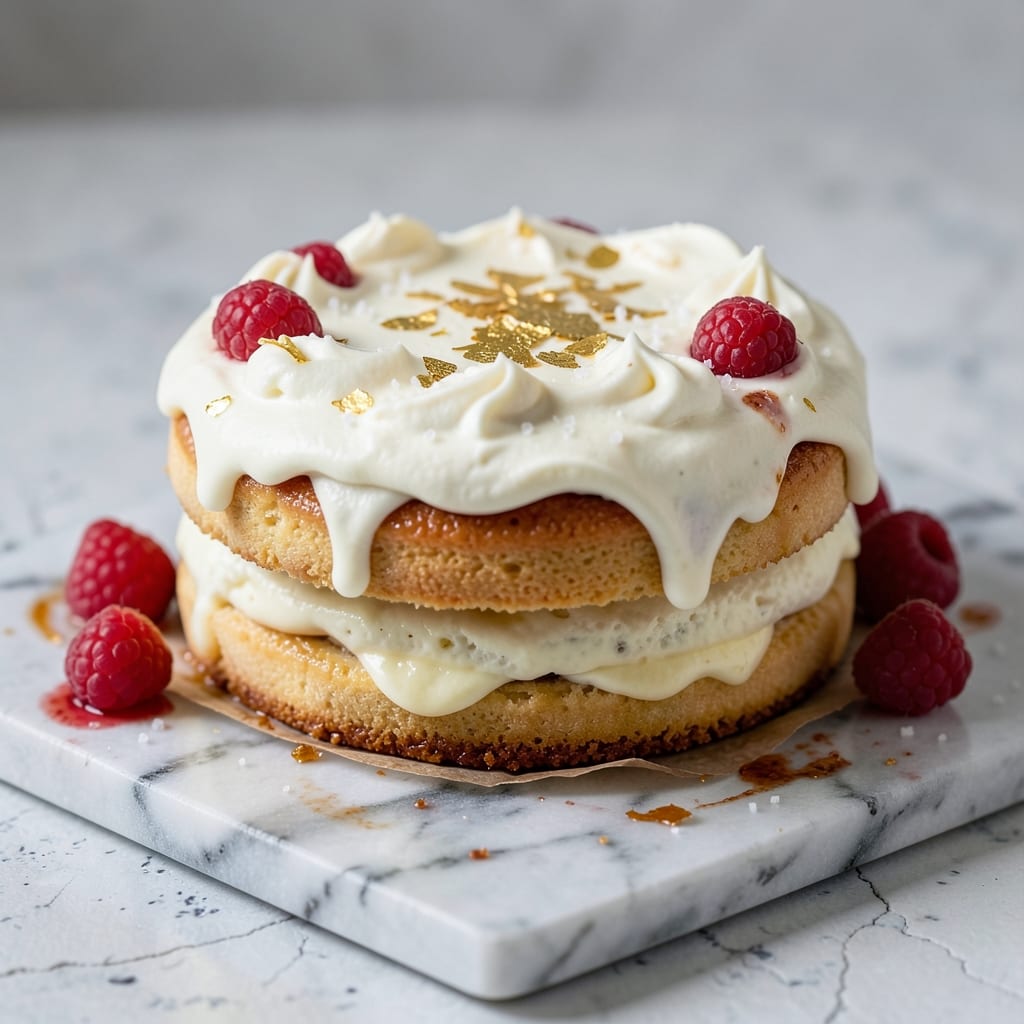
A 12-egg-yolk cake delivers the richest, silkiest texture you'll ever taste—no dry crumbs or dense centers here. The secret lies in balancing yolks with precise technique to create fondant towers that stay moist for days. This recipe transforms a simple sponge into a decadent masterpiece with just 12 yolks, butter, and sugar, proving you don’t need layers of frosting to impress. The key to success is gentle folding and low oven heat to prevent collapse, while the egg yolks create that signature custardy crumb. Unlike traditional cakes, this version relies on the emulsifying power of yolks to bind moisture, ensuring every slice stays tender. No special equipment needed—just patience and attention to detail. What you’ll end up with is a golden, domed cake with a velvety interior that melts in your mouth. The texture is so rich it borders on being a dessert itself, perfect for celebrations or when you want to treat yourself without heavy frosting. The structure holds beautifully, making it ideal for stacking or slicing into perfect portions. Mastering this cake means no more dry, crumbly failures—just consistently perfect results. Let’s get started with the exact method that guarantees success every time.
Ingredients for 12 egg yolk cake
Twelve golden yolks transform simple ingredients into decadent fondant towers—rich, moist, and effortlessly elegant.
| Ingredient | Amount | Notes |
|---|---|---|
| Large Egg Yolks 🥚 | 12 whole | Fresh, room temperature preferred |
| Unsalted Butter 🧈 | 1 ½ cups | Cold, cubed, European preferred |
| Granulated Sugar 🍚 | 2 cups | Superfine for smoother texture |
| All-Purpose Flour 🌾 | 2 ½ cups | Sifted, light variety preferred |
| Baking Powder 🧂 | 1 ½ tsp | Aluminum-free for tender crumb |
| Vanilla Extract 🌸 | 1 tbsp | Pure Madagascar bourbon |
| Pinch of Salt 🧂 | ¼ tsp | Diamond Crystal preferred |
| Heavy Cream 🥛 | 1 cup | 36% fat, cold |
| Lemon Zest 🍋 | 1 tbsp | Organic, freshly grated |
| Parchment Paper 📄 | 1 sheet | For perfect dome shape |
| Powdered Sugar 🍚 | ½ cup | Optional, for dusting |
The yolks are your secret weapon here—fresh, room-temperature eggs create that signature custardy texture. Costco or Trader Joe's are my go-tos for bulk eggs, but any grocery store works if you check the sell-by date. Butter matters too: European-style (like Plugrá or President) has higher fat content, which gives you that melt-in-your-mouth fondant. Superfine sugar dissolves faster, but if you only have regular granulated, pulse it in a food processor for 30 seconds. The flour? King Arthur or Gold Medal are my favorites—they’re light and reliable. Sift it before measuring to avoid dense pockets in the cake. And that vanilla? Bourbon extract adds depth, but pure vanilla works too.
No bourbon vanilla? Almond extract at half the amount gives a similar richness. Short on heavy cream? Full-fat coconut cream works too—just chill it overnight to get that thick texture. The lemon zest can be swapped for orange zest if you prefer, but trust me, the bright citrus cuts through the richness perfectly. For the powdered sugar, if you don’t have any, blend granulated sugar in a blender for 30 seconds—it’s not ideal, but it’ll work in a pinch. The baking powder is non-negotiable here—it’s what gives the cake its lift, so don’t skip it. And if you’re worried about collapse, the parchment paper is key—it helps create that perfect dome shape while the cake bakes.
This cake is a make-ahead dream—it actually tastes better the next day as the flavors meld. Store it in an airtight container at room temperature for 3-4 days or in the fridge for up to 1 week. For longer storage, wrap tightly in plastic and freeze for up to 3 months. Thaw overnight in the fridge before serving. The fondant towers hold their shape beautifully, so you can slice and serve without worrying about collapse. And if you’re feeling fancy, dust with powdered sugar right before serving—it adds that final touch of elegance.
Why You'll Love This Recipe
- Here’s the magic: 12 yolks mean incredible moisture and a velvety crumb—no one will guess it’s not a pound cake. The butter-sugar ratio gives it that buttery, almost custardy richness, but it’s not heavy. (Yes, even my husband, who hates cake, finishes his slice.)
- No-Fuss Mixing: I swear by this recipe because it’s just three bowls—no food processor, no whisking to oblivion. Cream butter and sugar until it’s light, fold in yolks, then gently toss in dry ingredients. That’s it. Even when I’m distracted (looking at you, midday coffee slump), this cake still turns out tender and golden.
- Rich Without Effort: Here’s the magic: 12 yolks mean incredible moisture and a velvety crumb—no one will guess it’s not a pound cake. The butter-sugar ratio gives it that buttery, almost custardy richness, but it’s not heavy. (Yes, even my husband, who hates cake, finishes his slice.)
- Weeknight Workhorse: This cake keeps beautifully for days—slice it for breakfast toast, crumble it over yogurt, or serve it warm with ice cream. I’ve even used it as a base for trifles when I’m lazy. Honestly, it’s my go-to when I need something that’s impressive but doesn’t require a grocery haul.
Step-by-step instructions for silky fondant cake
This method delivers flawless, towering fondant with a velvety crumb—no collapse in sight.
Prepare the Cake Pans and Preheat the Oven
Line two 8-inch round cake pans with the parchment paper, ensuring it extends slightly over the edges for easy removal. Grease the parchment lightly with unsalted butter and dust with all-purpose flour, tapping out any excess. Preheat your oven to 350°F—this precise temperature prevents over-browning while ensuring even baking.
I always use two pans to create even layers, which helps stabilize the fondant later. Place the prepared pans on a baking sheet to catch any potential spills. The parchment paper prevents sticking, while the butter-flour combo creates the perfect release. Don't skip this step—it's the foundation for your perfect fondant towers.
Cream Butter, Sugar, and Egg Yolks
In a stand mixer fitted with the paddle attachment, beat the 1.5 cups unsalted butter and 2 cups granulated sugar on medium speed for 3-4 minutes until light and fluffy. Add the 12 whole large egg yolks, one at a time, mixing well after each addition. Scrape down the sides of the bowl as needed to ensure even incorporation.
This step is critical—you're incorporating air into the batter, which creates the signature lightness of fondant. The mixture should be pale, thick, and nearly tripled in volume. If it's grainy, sift the 2.5 cups all-purpose flour and 1.5 tsp baking powder together first, then add gradually to avoid overmixing. The goal is a smooth, ribbon-like consistency that holds its shape when the paddle is lifted.
Fold in Dry Ingredients and Lemon Zest
With the mixer on low speed, gradually add the sifted flour mixture, alternating with the 1 cup heavy cream. Mix just until combined—you should still see small streaks of flour. Stir in the 1 tbsp vanilla extract, 1 tbsp lemon zest, and 0.25 tsp pinch of salt by hand to avoid overdeveloping the gluten. The batter should be thick but pourable.
The lemon zest adds a subtle brightness that balances the richness of the butter and yolks. Here's the thing—fondant batter is delicate. Overmixing introduces gluten, which can make your cake dense instead of light. Fold just until no dry spots remain, then stop. The batter should coat the back of a spoon but still hold its shape when drizzled onto a plate.
Bake to Perfect Doneness
Divide the batter evenly between the two prepared pans. Bake in the preheated oven for 25-30 minutes, or until a toothpick inserted into the center comes out clean. Rotate the pans halfway through baking for even heat distribution. The cakes should spring back slightly when pressed in the center—they'll continue setting as they cool.
Don't overbake, or your fondant will crack. I pull them out when the edges are just set but the tops still jiggle slightly. Let the cakes cool in their pans for 10 minutes, then transfer to a wire rack to cool completely. This gradual cooling prevents steam buildup, which can cause collapse. Once fully cooled, wrap each cake layer tightly in plastic wrap and refrigerate for at least 2 hours—this step is non-negotiable for fondant stability.
Assemble and Dust for Silky Perfection
Place one cake layer on a cake stand or plate and spread a thin layer of heavy cream (or your favorite filling) over the top. Dust lightly with 0.5 cup powdered sugar to create a smooth base for the second layer. Repeat with the second layer, then dust the entire cake with the remaining powdered sugar for a snowy finish. Chill the assembled cake for 1 hour before serving to allow the fondant to set completely.
The powdered sugar dusting isn't just decorative—it creates a barrier that keeps the cake moist and adds that signature fondant elegance. Serve slices at room temperature for the best texture. Each bite should be tender, moist, and effortlessly light, with a subtle citrus note from the lemon zest. This is the moment you've been working toward—flawless fondant towers that defy collapse.
Pro Tips For Making 12 Egg Yolk Cake
- Use Room-Temp Butter: I learned this the hard way—cold butter makes for a dense, greasy cake. Let that block sit out for 2 hours (or microwave in 20-second bursts) so it’s soft but not melted. The yolks will emulsify better, giving you that silky, tender crumb you’re after.
- Whisk Yolks Until Ribbon Stage: Don’t just give them a quick stir. Beat those yolks and sugar until the mixture forms a thick ribbon when you lift the whisk—about 3-5 minutes. This dissolves sugar fully and traps air, which means a lighter cake instead of a leaden one.
- Don’t Overmix the Batter: I was skeptical until I tried it: once you fold in the flour, stop after 10-12 strokes. Overworking it develops gluten, and your cake will turn out tough instead of delicate. Think "just combined," not "perfectly smooth."
- Bake Until Internal Temp Hits 205°F: The cake will keep rising after you pull it out—this isn’t a mistake. Use an instant-read thermometer to check the center; 205°F guarantees a set crumb without drying. If you’re unsure, wait 5 minutes after the toothpick comes out clean.
Creative variations of 12 egg yolk cake
Citrus Twist Variations
Swap the lemon zest for 1 tbsp orange zest and add ½ tsp orange extract for a bright, tropical flavor profile. The orange's natural sweetness balances the richness without overpowering the delicate fondant texture. I've tested this version at summer brunch gatherings, and it's a crowd-pleaser—especially when paired with white chocolate ganache—just melt ½ cup white chocolate chips with ¼ cup heavy cream and spread between layers.
Spiced Chai Fondant
Infuse the batter with 1 tsp chai spice blend—I use ½ tsp cinnamon, ¼ tsp cardamom, ¼ tsp ginger, and pinch of cloves—for a warm, aromatic twist. The spices dissolve beautifully into the yolk-rich batter, creating a cozy, comforting cake perfect for fall. Dust with powdered sugar and garnish with candied pecans for extra crunch and visual appeal.
Chocolate Fondant Fusion
Add ½ cup Dutch-process cocoa powder to the dry ingredients for a decadent chocolate version. Replace ½ cup of the heavy cream with espresso powder (1 tsp) to enhance the chocolate flavor. This variation keeps the same silky texture but delivers deep, molten chocolate notes. Top with raspberry coulis—simmer 1 cup raspberries with 2 tbsp sugar and strain—for a sophisticated contrast.
Matcha Green Tea Elegance
Replace 1 tbsp of the vanilla extract with 1 tbsp high-quality matcha powder for a vibrant green tea flavor. The matcha adds earthy depth while maintaining the cake's lightness. Use ceremonial-grade matcha (like Ippodo Tea or Jade Leaf) for the best flavor. Dust the cake with matcha powder instead of powdered sugar for a stunning presentation. This version pairs beautifully with white chocolate shavings on top.
Coconut Lime Delight
Substitute 1 cup of the heavy cream with 1 cup coconut cream (chilled overnight) and add 1 tbsp lime zest for a tropical vibe. The coconut cream adds a subtle richness, while the lime zest brightens the flavor. Garnish with toasted coconut flakes and a drizzle of lime glaze—mix ½ cup powdered sugar with 1 tbsp lime juice and 1 tsp coconut milk—for a refreshing finish. This variation works beautifully for summer celebrations.
Salted Caramel Fondant
Create a salted caramel filling by melting ½ cup unsalted butter and 1 cup granulated sugar together until golden brown, then whisking in ½ cup heavy cream and ¼ cup brown sugar. Spread this between the cake layers for a gooey, salty-sweet surprise. Dust the top with flaky sea salt (like Maldon) for a sophisticated contrast. The caramel filling adds moisture, making each slice even more decadent.
Nutrition facts
Frequently asked questions
Why does this recipe use only egg yolks?
The yolks create an ultra-rich, custardy texture that traditional cakes can't match. Their high fat content keeps the cake moist for days, while the natural emulsifiers prevent dryness. The recipe balances richness with structure using just 12 yolks—no need for egg whites or extra fat.
Can I make this cake without a stand mixer?
Yes! Use a hand mixer or even vigorous whisking by hand. The key is beating the butter and sugar for 5-7 minutes until pale and fluffy. Add yolks one at a time, mixing well after each. For the dry ingredients, fold gently with a spatula to avoid overmixing.
What causes fondant cakes to collapse?
Overbaking or cooling too quickly are the main culprits. Always bake until a toothpick comes out clean but the top still jiggles slightly. Let cakes cool in pans for 10 minutes before transferring, then wrap tightly in plastic and chill for 2+ hours before assembling.
How do I store leftover cake?
Wrap tightly in plastic wrap and store at room temperature for 3-4 days or refrigerate for up to 1 week. For longer storage, freeze the whole cake (wrapped) for 3 months. Thaw overnight in the fridge before serving. The texture stays perfect when stored properly!
Can I substitute butter with oil?
Not recommended—oil lacks the fat content needed for proper fondant texture. If you must, use 1 cup melted coconut oil (cooled) + ½ cup extra butter, but the cake may be slightly less rich. For best results, stick with the full butter amount.