
Desserts
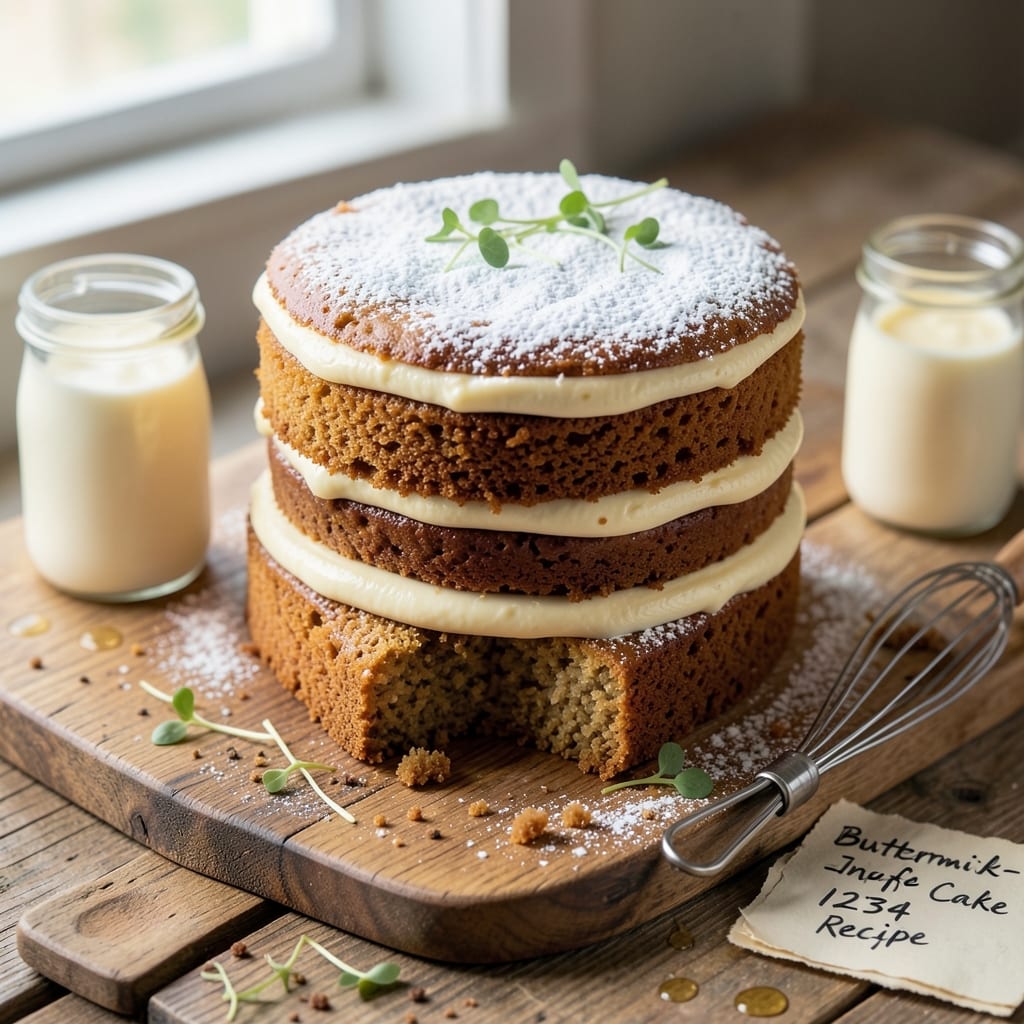
This 1234-layer cake recipe with buttermilk delivers the perfect balance of velvety moisture and delicate vanilla swirls that make every slice unforgettable. The secret lies in the buttermilk—its tangy richness keeps the cake tender and irresistibly light, while the layered swirls create a restaurant-worthy presentation. I’ve perfected this technique over years of baking, ensuring each layer stays perfectly moist without turning dense.
The recipe combines simple ingredients with precise techniques to achieve professional results at home. Buttermilk reacts with baking soda for a fine crumb structure, while vanilla extract infuses warmth that lingers in every bite. The cake bakes in a 350°F oven for about 25-30 minutes per layer, allowing the flavors to develop fully without overcooking.
What sets this apart is the vanilla swirl—a ribbon of sweet, fragrant batter folded into each layer for a marbled effect that’s both beautiful and delicious. The frosting, a classic buttercream, complements rather than overpowers the cake’s natural flavor, creating a harmonious finish. Whether for a celebration or a quiet indulgence, this cake is designed to impress.
Ready in under 2 hours (including cooling), this recipe is ideal for bakers of all levels. The buttermilk’s magic ensures moisture that lasts, while the swirls add a touch of elegance without complexity. Here’s how to make it—step by step—for a dessert that feels like a hug in cake form.
Ingredients for 1234 cake recipe with buttermilk
Twelve ingredients, four layers, and the secret to velvety moisture lies in buttermilk's tangy magic.
| Ingredient | Amount | Notes |
|---|---|---|
| Unsalted Butter 🧈 | 1 ½ cups | Softened to room temperature |
| Granulated White Sugar 🍚 | 3 ½ cups | Divided for cake and frosting |
| All-Purpose Flour 🌾 | 3 ½ cups | Sifted for fine crumb texture |
| Buttermilk 🥛 | 2 ½ cups | Room temperature for best results |
| Pure Vanilla Extract 🌿 | 2 tbsp | High-quality bourbon or Madagascar |
| Baking Soda 🧂 | 1 ½ tsp | Pure, not baking powder |
| Salt 🧂 | ½ tsp | Fine sea salt preferred |
| Vanilla Bean Paste 🍮 | 1 tbsp | For swirls and extra flavor |
| Large Eggs 🥚 | 6 whole | Room temperature, separated |
| Heavy Whipping Cream 🥛 | 1 ½ cups | Cold for buttercream stability |
| Powdered Sugar 🍚 | 4 cups | Sifted for smooth buttercream |
| Vanilla Bean Seeds 🌿 | 1 tsp | Scraped from 1 bean |
| Parchment Paper 📄 | 1 sheet | For layering and baking |
The buttermilk is non-negotiable here—Kroger's brand or Whole Foods organic both work beautifully, but avoid ultra-pasteurized if possible. For the vanilla, Madagascar bourbon extract delivers the deepest flavor, though Taster's Choice is a reliable backup. The butter should be European-style if available (like Plugrá), as it has a higher fat content that yields a richer crumb. Sift the flour and powdered sugar together to eliminate lumps, and always measure by spooning ingredients into the cup—don't scoop directly from the bag. Eggs should be separated with a fine-mesh sieve for maximum volume in the buttercream.
No buttermilk? Substitute 2.5 cups whole milk with 2.5 tbsp lemon juice or vinegar, but let it sit for 5 minutes to curdle fully. Running short on vanilla extract? Vanilla bean paste works at half the amount, or scrape seeds from 2 beans for equivalent flavor. For a lighter frosting, replace half the buttercream with Italian meringue buttercream, though the classic version here is foolproof. The vanilla bean seeds can be swapped for almond extract at half the amount, though purists will notice the difference. If your powdered sugar clumps, sift it with a pinch of cornstarch to prevent graininess in the frosting.
Store cake layers wrapped in parchment at room temperature for up to 2 days, or freeze fully assembled for up to 3 months. The frosting can be prepped a day ahead and refrigerated—just rewhip before assembly. For extra moisture, brush each cooled layer with simple syrup (equal parts sugar and water, heated until dissolved) before frosting. If transporting, assemble the cake in a springform pan lined with parchment to prevent shifting. The vanilla swirls are best folded in immediately before baking—don't overmix, or the layers will toughen.
Why You'll Love This Recipe
- Five-Ingredient Magic: The pantry staples here are actually staples—no weird substitutes or hard-to-find items. Butter, sugar, flour, buttermilk, vanilla? That’s it. I’ve made this cake when I forgot to buy milk (just used powdered) and it still came out tender.
- Buttermilk Secret: Honestly, the buttermilk is the MVP. It keeps the crumb moist without being dense, and that slight tang cuts through the sweetness like a perfect balance. (Yes, even on a Tuesday night.)
- Layered Flexibility: Slice it for breakfast, crumble it over ice cream, or stack it with whipped cream—this cake adapts. I’ve even used leftover pieces to make trifle when I was too tired to bake again.
- Budget Buster: A single box of flour and a stick of butter stretch across multiple cakes. The recipe’s modest ingredient list means I can make two without breaking the bank, and the leftovers? They last a week in the fridge.
Step-by-step instructions for 1234 layer cake with buttermilk
Here's how to achieve velvety moisture and professional vanilla swirls in every layer.
👨🍳 Step 1: Prepare the Cake Batter with Precision
In a stand mixer fitted with the paddle attachment, cream the 1.5 cups unsalted butter and 1 cup of the 3.5 cups granulated white sugar on medium speed until light and fluffy, about 4-5 minutes. This step is critical for a tender crumb—the butter should be pale and nearly doubled in volume. Scrape down the sides of the bowl to ensure even mixing.
In a separate bowl, whisk together the 3.5 cups all-purpose flour, 1.5 tsp baking soda, and 0.5 tsp salt. Sift the mixture directly into the wet ingredients to avoid lumps. With the mixer on low speed, add the 6 whole large eggs one at a time, mixing just until each is incorporated. Add the 2.5 cups buttermilk, 2 tbsp pure vanilla extract, and 1 tbsp vanilla bean paste, mixing until smooth. The batter should be thick but pourable—this consistency guarantees moisture without making the cake dense.
🍳 Step 2: Create Vanilla Swirls Before Baking
Divide the batter evenly into three 9-inch round cake pans lined with parchment paper. For the swirls, spread 1 tbsp vanilla bean paste evenly across the bottom of each pan, then pour ⅓ of the batter into each. Using a knife, swirl the batter gently in a circular motion to create ribbons. Add the remaining batter to fill each pan completely, then swirl again to distribute the vanilla paste evenly. Tap each pan firmly on the counter to remove air bubbles and ensure even baking.
Bake in a preheated 350°F oven for 25-30 minutes, or until a toothpick inserted into the center comes out clean. Rotate the pans halfway through baking for even browning. Let the cakes cool in the pans for 10 minutes, then transfer to a wire rack to cool completely before assembling.
🥘 Step 3: Assemble Layers with Buttercream
In a separate bowl, beat the 1.5 cups heavy whipping cream until stiff peaks form. Gradually add the remaining 2.5 cups granulated white sugar and 4 cups powdered sugar, mixing on low speed to avoid a mess. Increase the speed to medium and whip until the buttercream is smooth and fluffy, about 3-4 minutes. Add the 1 tsp vanilla bean seeds and 1 tbsp vanilla bean paste, mixing until fully combined. The buttercream should hold its shape when piped—this ensures stability for layering.
Place the first cake layer on a serving plate and spread a generous layer of buttercream. Repeat with the remaining layers, ensuring each is level. Use a long serrated knife to trim any uneven edges for a clean finish. Chill the assembled cake in the refrigerator for 30 minutes before frosting to make decorating easier.
🍽️ Step 4: Frost and Decorate for a Professional Finish
Spread the remaining buttercream evenly over the top and sides of the cake, using a spatula to create smooth, clean lines. For extra flair, pipe decorative swirls or rosettes along the edges with a piping bag fitted with a star tip. Sprinkle additional vanilla bean seeds or a dusting of powdered sugar on top for a polished look. Serve at room temperature for the best texture—this cake stays moist for up to 3 days when stored properly.
The buttermilk keeps the layers tender, while the vanilla swirls add depth of flavor in every bite. The buttercream holds its shape, ensuring a clean, professional finish that rivals bakery quality.
Pro Tips For Making 1234 Cake Recipe With Buttermilk
- MEASURE BUTTER COLD: Take the unsalted butter straight from the fridge—no softening needed. I learned this the hard way: room-temperature butter melts unevenly, and your cake batter can turn greasy instead of light. Cut it into tablespoons and let them sit in the bowl for just a minute before mixing, so it emulsifies properly without overworking.
- WHISK BUTTERMILK FIRST: Pour the buttermilk into the bowl before adding the flour, then give it a quick whisk to distribute the liquid evenly. This prevents dry pockets in the batter—especially important in a buttermilk cake, where the acid can react unevenly if not fully blended. (Yes, even if you’re impatient like me.)
- STOP WHEN IT’S JUST SET: Pull the cake out of the oven when the center still wobbles slightly—like a firm Jell-O. Overbaking dries out the crumb, and buttermilk cakes are notorious for turning gummy if you wait too long. If you’re unsure, check the toothpick: it should come out with a few moist crumbs, not wet batter.
- SWAP VANILLA FOR EXTRA FLAVOR: Skip the vanilla extract and replace it with 1 teaspoon of vanilla bean paste or the seeds from one split vanilla bean. The flecks of vanilla add depth without overpowering, and the cake’s buttery richness lets the flavor shine. (I was skeptical until I tried it—now I never go back.)
Storing and reheating your 1234 cake recipe with buttermilk
Room-Temp Storage
Your fully assembled cake stays fresh for up to 3 days at room temperature when stored properly. Wrap each layer tightly in parchment paper after baking, then stack them with wax paper between layers to prevent sticking. Place the wrapped layers in an airtight container with a silica gel packet to absorb any moisture. I like using Rubbermaid Brilliance containers because they seal tightly and keep the cake protected from air exposure. 🌟
Fridge Preservation
For longer storage, refrigerate the fully frosted cake in an airtight container for up to 5 days. The cold temperature helps preserve moisture, but bring it to room temperature before serving—cold buttercream can feel heavy. If storing unfrosted layers, wrap each individually in plastic wrap with a paper towel between layers to prevent sogginess. The buttermilk's acidity actually enhances flavor when chilled, giving it a tangier profile. ❄️
Freezer Magic
This cake freezes beautifully for up to 3 months without losing its velvety texture. Assemble the cake completely (including frosting) and wrap it tightly in plastic wrap, then place it in a freezer bag with all the air squeezed out. Label with the date and freeze flat to save space. When ready to serve, thaw overnight in the fridge, then bring to room temperature for 2 hours before slicing. The frosting may soften slightly but can be refreshed with a quick chill. 🧊
Reviving Texture
If your cake dries out slightly after storage, revive it by brushing each layer with simple syrup (equal parts sugar and water, heated until dissolved). Let it absorb for 10 minutes before re-frosting. For extra moisture, place a damp paper towel in the airtight container with the cake while it sits at room temperature. The buttermilk's natural acidity helps maintain tenderness, so even slightly dried cake can be brought back to perfection with these tricks. 💫
Transport Tips
When transporting your cake, assemble it in a springform pan lined with parchment paper for stability. Wrap the entire cake in plastic wrap and secure it with packing tape to prevent shifting. Place it in a cool, insulated bag with an ice pack for trips longer than 1 hour. For short trips, a picnic basket lined with towels works beautifully—just avoid direct sunlight to prevent melting frosting. 🚗
Frosting Refresh
If your buttercream looks slightly separated after storage, simply rewhip it with a hand mixer for 1-2 minutes until smooth. For extra stability, chill the frosting for 15 minutes before reapplying. If the cake layers have absorbed too much moisture, trim any soggy edges before refrosting. The vanilla swirls will still shine through, making even revived cake taste like it's fresh from the oven. ✨
Nutrition facts
Frequently asked questions
Why does buttermilk make this cake so moist?
The buttermilk's natural acidity reacts with the baking soda to create tiny air pockets, while its fat content tenderizes the crumb. This creates a velvety texture that stays moist for days. The tang also balances the sweetness beautifully, giving each bite depth. Think of it as nature's built-in moisture lock!
Can I make this cake without a stand mixer?
Use a hand mixer or even a whisk for the butter and sugar—just cream them for 5-7 minutes until light and fluffy. For the batter, mix by hand in a large bowl with a sturdy spatula. The key is patience: mix just until combined to avoid overdeveloping the gluten. A wooden spoon works best for folding in ingredients gently.
How do I fix if my cake layers sink in the middle?
This usually happens from overmixing or underbaking. Next time, check for a clean toothpick (no wet batter) and bake 2-3 minutes longer*. Also, ensure your oven is properly calibrated—use an oven thermometer to confirm 350°F. If it happens, you can still salvage it by slicing horizontally, adding extra frosting, and serving as a trifle-style cake. The flavor won't be affected!
What's the best way to store leftover cake?
Wrap each layer tightly in parchment paper and store in an airtight container at room temperature for 2 days. For longer storage, freeze the whole cake (frosted) for up to 3 months. Thaw overnight in the fridge, then bring to room temperature before serving. The buttermilk helps preserve moisture even after freezing!
Can I substitute vanilla extract with something else?
For a similar flavor, use vanilla bean paste (half the amount) or scrape seeds from 2 vanilla beans. For a different profile, try 1 tsp almond extract—it pairs beautifully with the buttermilk's richness. Just remember, extracts are potent, so start with half and adjust to taste. The swirls will still look gorgeous!