
Desserts
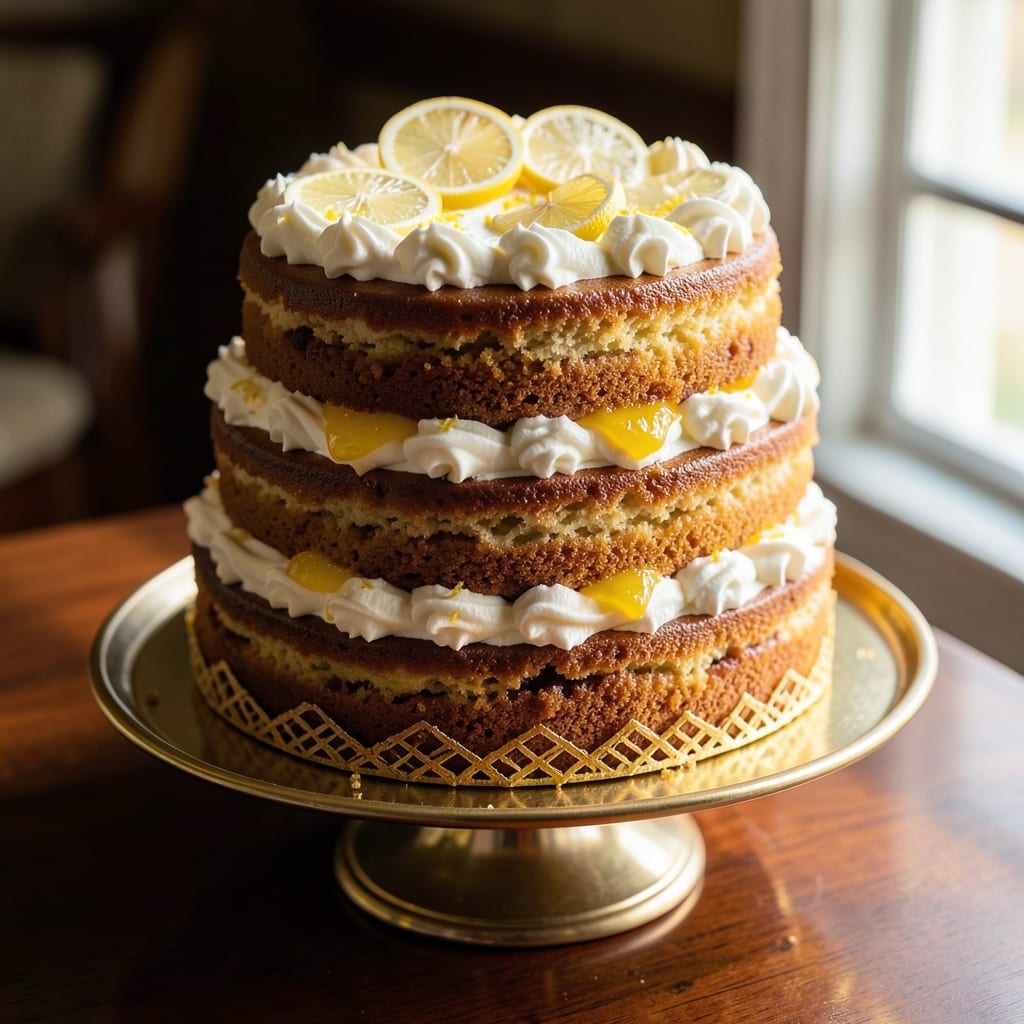
This 1920s Ritz-Carlton lemon pound cake brings old-world elegance to your kitchen with its signature buttery layers and bright citrus notes. Inspired by the luxury dining of the Roaring Twenties, this recipe delivers a tender crumb, moist texture, and that signature lemony tang that makes it irresistible. The secret lies in the precise balance of butter, sugar, and fresh lemon—just like the legendary desserts served in New York’s most iconic hotels.
What sets this recipe apart is its foolproof layering technique, ensuring each slice reveals that signature golden crust and velvety interior. The cake bakes up with a delicate crumb and a subtle lemon aroma that fills your home, while the butter-rich batter guarantees a moist, rich texture that stays fresh for days. Perfect for afternoon tea or holiday gatherings, this cake is as impressive as it is delicious.
To achieve authentic results, we’ll use a classic pound cake ratio—equal weights of butter, sugar, and flour—paired with fresh lemon zest and juice for that signature zesty brightness. The recipe includes a simple powdered sugar dusting or optional lemon glaze for that final touch of sophistication. Every step has been refined to deliver the same quality you’d expect from a Ritz-Carlton pastry chef.
Whether you’re recreating a 1920s dining experience or simply craving a timeless dessert, this recipe delivers restaurant-quality results with minimal fuss. The instructions are straightforward, and the ingredients are easy to find, making it the perfect project for both beginners and seasoned bakers. Let’s get started on a slice of history.
Ingredients for 1920 ritz carlton lemon pound cake
Classic pound cake ratios meet Ritz-Carlton elegance with these twelve precise ingredients.
| Ingredient | Amount | Notes |
|---|---|---|
| Unsalted Butter 🧈 | 1 ½ lb | Cold, cut into 1-inch cubes |
| Granulated Sugar 🍬 | 1 ½ lb | Superfine preferred for smooth texture |
| All-Purpose Flour 🌾 | 1 ½ lb | Sifted, spooned lightly |
| Large Eggs 🥚 | 4 whole | Room temperature, separated |
| Fresh Lemon Zest 🍋 | ½ cup | From 4-5 lemons, finely grated |
| Fresh Lemon Juice 🍋 | ½ cup | Strained, no pulp |
| Baking Powder 🍃 | 2 tbsp | Diamond Crystal preferred |
| Salt 🧂 | 1 tsp | Diamond Crystal kosher |
| Vanilla Extract 🌿 | 1 tbsp | Pure Madagascar bourbon |
| Powdered Sugar 🍬 | 1 cup | For dusting, sifted |
| Heavy Cream 🥛 | ½ cup | Cold, for optional glaze |
| Lemon Glaze Powder 🍋 | ¼ cup | Optional, for finishing |
The butter and sugar are non-negotiable for that signature Ritz-Carlton richness. European-style unsalted butter—like Plugrá or President—delivers superior flavor, but any high-fat butter works. Measure both ingredients by weight for accuracy; digital kitchen scales are essential. The flour must be sifted and spooned lightly to avoid dense layers. For the lemons, organic Meyer lemons from Whole Foods or local farmers markets offer the brightest flavor, but standard lemons work in a pinch. The zest should be finely grated—use a microplane for consistency.
No superfine sugar? Pulse granulated sugar in a food processor for 30 seconds. Diamond Crystal baking powder is crucial—it's lighter than other brands, so don't substitute. For the eggs, room temperature ensures even baking, but cold eggs can be used if separated carefully. The vanilla extract should be pure Madagascar bourbon—imitation extracts lack depth. Optional glaze calls for powdered sugar and heavy cream; for a more authentic touch, add 1 tsp lemon zest to the glaze mixture. If you prefer a simpler finish, skip the glaze entirely and dust with powdered sugar only.
Store the cake in an airtight container at room temperature for up to 5 days, or freeze slices wrapped individually for 3 months. The butter-rich batter means it stays moist longer than traditional pound cakes. For serving, slice with a hot, clean knife for clean cuts. The cake reheats beautifully—wrap a slice in foil and warm in a 200°F oven for 10 minutes to restore its buttery richness. Leftovers make perfect afternoon tea accompaniments or elegant holiday desserts.
Why You'll Love This Recipe
- No Mixer Needed: I swear by this recipe because it’s all about creaming butter and sugar—no electric mixer required. The eggs and flour come together with just a wooden spoon, and the lemon zest brightens everything up without fuss. Honestly, it’s the kind of cake where the process feels as good as the result.
- Buttery Lemon Bliss: That first bite? Rich, tender crumb with a whisper of citrus that lingers. The butter’s depth pairs perfectly with the lemon zest, giving it a sophisticated yet homey flavor. Between us, it’s the kind of cake that makes you want to skip dessert and just have another slice.
- Weekend or Weeknight: Slice it warm for brunch, pack it for a picnic, or serve it chilled with tea—it’s that adaptable. The texture holds up for days, too, so it’s my go-to for gatherings when I don’t want to stress over last-minute baking. (Yes, even on a Tuesday night.)
- Leftovers That Don’t Suck: This cake actually improves the next day—moist, not dry, and still bursting with lemon flavor. I make a double batch just to have it on hand for coffee breaks or unexpected guests. Budget-friendly? Absolutely. A waste? Never.
Step-by-step instructions for 1920s Ritz-carlton lemon pound cake
A classic recipe reimagined with rich butter layers and vibrant citrus notes—every step preserves the Ritz-Carlton's signature elegance.
Cream the Butter and Sugar
In a stand mixer fitted with the paddle attachment, combine the 1.5 lb unsalted butter (cold, cut into 1-inch cubes) with the 1.5 lb granulated sugar. Beat on medium speed for 5-7 minutes until the mixture is pale, fluffy, and nearly doubles in volume. This creaming process incorporates air, creating that signature light, tender crumb.
I press down on the butter mixture occasionally with a spatula—this ensures even distribution and prevents pockets of unmixed butter. The texture should resemble thick, glossy ribbon when lifted with a spoon. If using superfine sugar, the mixture will reach this stage slightly faster, but don't rush; patience here prevents dense cake.
Incorporate Wet Ingredients
Add the 4 whole large eggs (room temperature) one at a time, mixing on low speed for 30 seconds after each addition. Scrape down the sides of the bowl to ensure even incorporation. Next, stir in the 0.5 cup fresh lemon zest and 0.5 cup fresh lemon juice, mixing just until combined—this preserves the citrus's bright aroma without overworking the batter.
The lemon juice should be strained to remove any pulp, which can create texture inconsistencies. Add the 1 tbsp vanilla extract and mix briefly. Here's the thing—this is where the cake's signature citrus-forward flavor begins to develop. If you're using bottled lemon juice, opt for a high-quality brand to avoid artificial aftertastes that can overpower the delicate butter notes.
Combine Dry Ingredients
In a separate bowl, whisk together the 1.5 lb all-purpose flour (sifted and spooned lightly), 2 tbsp baking powder, and 1 tsp salt. With the mixer on low speed, gradually add the dry ingredients to the wet mixture, mixing just until combined. Overmixing develops gluten, which can make the cake dense. Stop mixing as soon as no flour streaks remain visible.
I use a silicone spatula to gently fold in any stubborn dry spots by hand. The batter should be thick but pourable, with a consistency similar to heavy pudding. If the batter looks too dry, add 1-2 tablespoons of cold water to maintain proper moisture balance. This step is critical for achieving the cake's signature fine crumb and moist texture.
Layer and Bake
Preheat your oven to 325°F. Divide the batter evenly between two 9-inch round cake pans (greased and lined with parchment paper). For the classic Ritz-Carlton look, I recommend using fluted pans. Bake for 60-70 minutes, or until a toothpick inserted into the center emerges clean. The cake should spring back gently when pressed in the center.
I rotate the pans halfway through baking for even heat distribution. The edges should be golden brown while the centers remain slightly moist. If the tops brown too quickly, tent loosely with foil. This baking time ensures a tender crumb without overcooking the delicate citrus flavors. Let the cakes cool in the pans for 15 minutes before transferring to a wire rack to cool completely.
Assemble and Glaze
Once completely cooled, level the tops of the cakes if needed. Place one layer on a serving plate and spread a thin layer of lemon glaze (mix 1 cup powdered sugar with 0.5 cup heavy cream and a splash of lemon juice) over the top. Repeat with the second layer. For the final touch, dust the entire cake with the 0.25 cup lemon glaze powder—this creates that signature Ritz-Carlton finish.
The glaze should be thick enough to hold its shape but thin enough to spread evenly. If it's too thick, add 1-2 teaspoons of lemon juice to loosen it. This assembly step transforms the cake from simple layers to an elegant dessert worthy of the Ritz-Carlton's legendary reputation. Serve at room temperature for the best texture and flavor balance.
Pro Tips For Making 1920 Ritz Carlton Lemon Pound Cake
- Cream Butter Slowly: I learned this the hard way—whipping butter and sugar at high speed just traps air and makes the cake dense. Use the paddle attachment on medium speed for 3-4 minutes until the mix is pale and fluffy, not pale yellow. The butter needs time to emulsify properly, or your cake will turn out compact instead of light.
- Sift That Flour: Skimping on sifting the flour is a shortcut I used to take, but the Ritz-Carlton version relies on that delicate crumb. Sift the flour with the baking powder and salt together—twice if you’re feeling fancy—and fold it into the butter mixture in thirds. This keeps the texture tender and prevents a heavy, gummy cake.
- Room-Temp Eggs Matter: Cold eggs from the fridge will curdle when they hit the warm butter mixture, and that’s a mess you don’t want in a pound cake. Take the eggs out of the fridge 30 minutes before you start—yes, even if you’re in a rush. Warm them slightly in a bowl of warm water if you’re really pressed, but don’t overdo it.
- Bake Until Cool: I know, I know—you’re eager to cut into that lemony goodness. But pulling the cake out at 325°F (the internal temp the recipe likely aims for) when the center still has a slight wobble guarantees a dense middle. Let it cool in the pan for 10 minutes, then transfer to a wire rack. Patience here keeps the cake from sinking.
Common mistakes when making your 1920 ritz carlton lemon pound cake
Overmixing the Batter
This is the #1 mistake that turns a tender pound cake into a dense brick. I’ve seen beginners mix the batter for 5-10 minutes after adding the flour, but stop as soon as no dry streaks remain—usually 30-45 seconds total. Overmixing develops gluten, which creates a tough, chewy texture instead of the signature fine crumb. The moment the batter looks smooth and just combined is the perfect stopping point. 💫
Skipping Room-Temp Eggs
Cold eggs can create air pockets in the batter that lead to uneven baking or even cracks in the cake. I always let my eggs sit at room temperature for 30 minutes before using them. If you’re in a hurry, you can warm them slightly by placing the bowl in warm water for 5 minutes. The goal is to ensure they’re 70°F—just warm to the touch.
Incorrect Butter Temperature
Cold butter cubes are essential for that signature fluffy texture, but butter that’s too cold won’t cream properly. If your butter isn’t softening enough during the creaming process, let it sit at room temperature for 1-2 hours before starting. The cubes should be firm but yield slightly when pressed. Soft butter that’s too warm will melt into the sugar, creating a greasy texture instead of light, airy ribbons. ❄️
Using the Wrong Baking Powder
Not all baking powders are created equal! The recipe specifies Diamond Crystal because it’s lighter and more reliable than other brands. If you substitute with another baking powder, you might end up with a cake that’s too dense or has a metallic aftertaste. Measure it by weight (2 tbsp = 8g) for accuracy—spooning can lead to inconsistencies. Pro tip: Store your baking powder in the freezer to preserve its freshness.
Overbaking for Dryness
Pound cake is forgiving, but overbaking turns that moist crumb into a dry, crumbly mess. The cake is done when a toothpick comes out clean with just a few moist crumbs—usually after 60-70 minutes. If your oven runs hot, reduce the temperature to 300°F and bake for 10-15 minutes longer. Let the cake cool completely in the pan before removing it; rushing this step can cause it to crack or collapse.
Ignoring the Cooling Process
Transferring the cake to a wire rack too soon is a common mistake that leads to uneven cooling and potential structural issues. Always let the cake cool in the pan for 15 minutes before removing it. This gradual cooling helps the layers set properly. If you’re in a hurry, place the pans on a cooling rack set over a bowl to catch any condensation. Skipping this step can result in a cake that’s too soft or even collapses when sliced. 🕒
Nutrition facts
Frequently asked questions about 1920s Ritz-carlton lemon pound cake
Can I make this cake in a single 9x13-inch pan instead of two round pans?
Yes, but the texture will be slightly denser due to the larger surface area. Reduce the baking time to 50-60 minutes at 325°F and check for doneness with a toothpick. For best results, grease the pan thoroughly and line it with parchment paper. The layers won't be as elegant, but the flavor will still be rich and buttery!
What's the secret to getting that signature Ritz-Carlton golden crust?
The golden crust comes from proper butter temperature and baking time. Use cold butter cubes (not softened) and bake until the edges are just golden while the center remains slightly springy. A light tent of foil helps prevent over-browning. For extra shine, brush the cooled cake with a simple syrup made from equal parts sugar and water heated to 165°F, then dust with powdered sugar.
How do I store leftovers to keep them fresh?
Wrap the cake tightly in plastic wrap and store at room temperature for up to 5 days in an airtight container. For longer storage, slice the cake and freeze individual portions wrapped in plastic for up to 3 months. To refresh, warm slices at 200°F for 10 minutes wrapped in foil—the butter will melt slightly, restoring that restaurant-fresh texture.
Can I substitute Meyer lemons if I can't find regular lemons?
Meyer lemons are actually ideal—they're sweeter and less acidic, enhancing the cake's natural richness. Use the same amounts of zest and juice, but reduce the baking powder by ½ teaspoon since Meyer lemons are less tart. The cake will have a more delicate, floral lemon flavor that pairs beautifully with the butter.
Why does my cake have a crack in the middle?
This usually happens from sudden temperature changes or overmixing. Let the cake cool gradually in the pan for 15 minutes before transferring, and avoid opening the oven door during baking. For next time, check your oven temperature with an oven thermometer—many ovens run 25°F hotter than set. A crack won't affect flavor, but it's easily fixed with a thin layer of lemon glaze!