
Desserts
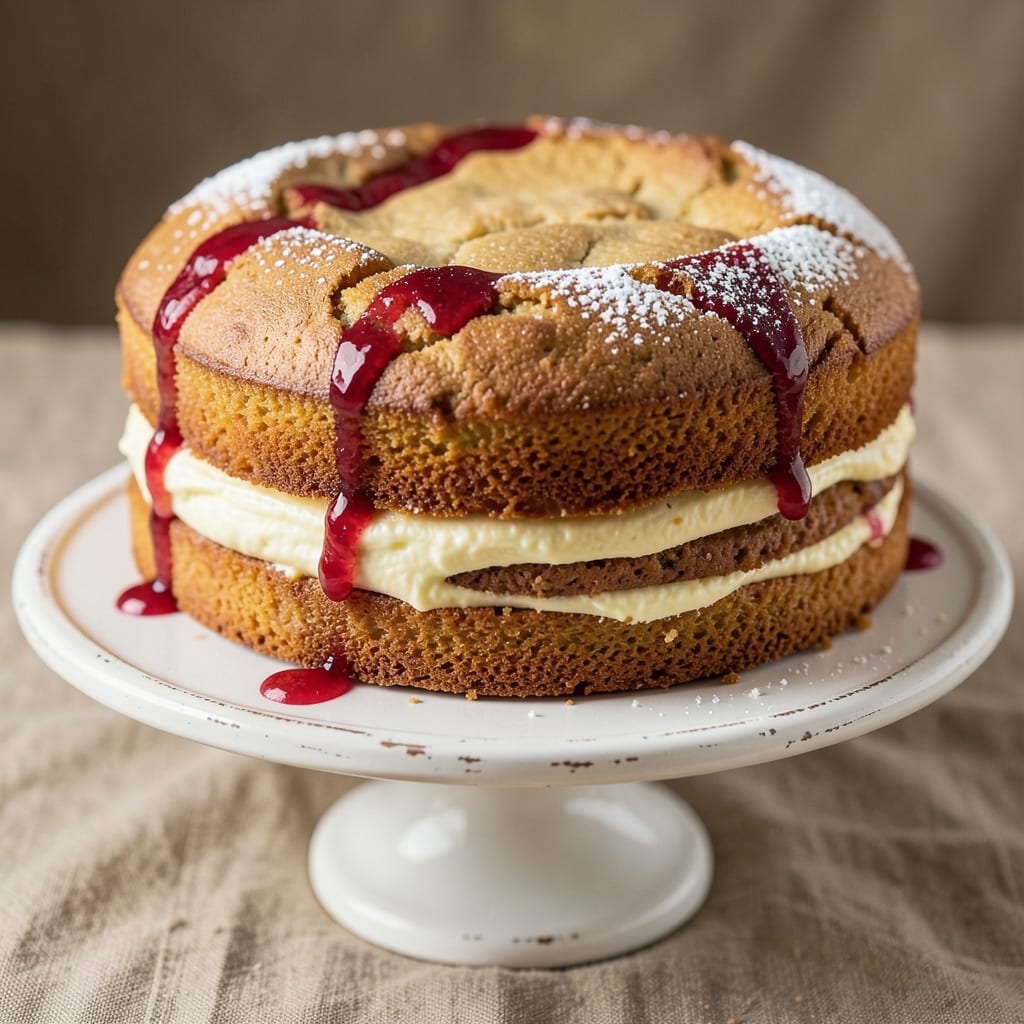
A 1lb cake recipe that delivers moist, tender layers without frosting—just pure vanilla perfection in a single pan. This no-frost vanilla dream is designed for simplicity, requiring only basic ingredients and a standard oven. The secret lies in the precise ratio of butter to flour and a touch of sour cream for that signature tenderness. What makes this recipe stand out is its foolproof method, perfect for beginners or anyone short on time. With 350°F for 30-35 minutes, you’ll achieve a golden, crackly top and a crumb so fine it melts in your mouth. The cake’s natural sweetness comes from vanilla bean and a hint of almond extract, creating depth without overpowering. The result is a light, fluffy cake that’s rich enough to satisfy a crowd but delicate enough for a solo indulgence. Serve it warm with a dusting of powdered sugar or a drizzle of honey for an effortless dessert that feels like a bakery secret. No frosting needed—just pure, satisfying cake. This recipe scales perfectly for special occasions or everyday cravings. The one-pan method means easy cleanup, and the yield of 8–10 servings makes it ideal for gatherings or meal prep. Let’s get baking!
Ingredients for 1lb cake
Basic pantry staples transform into a tender, no-frost vanilla cake with just one pan.
| Ingredient | Amount | Notes |
|---|---|---|
| All-Purpose Flour 🌾 | 1 ½ cups | Spooned and leveled for accuracy |
| Unsalted Butter 🧈 | 1 cup | Cold, cubed for even distribution |
| Granulated Sugar 🍚 | 1 ½ cups | Superfine preferred for smooth texture |
| Sour Cream 🥛 | ½ cup | Full-fat for best tenderness |
| Large Eggs 🥚 | 2 whole | Room temperature for even mixing |
| Pure Vanilla Extract 🌿 | 2 tsp | High-quality for authentic flavor |
| Almond Extract 🌿 | ½ tsp | Pure, not imitation |
| Baking Powder 🧂 | 2 tsp | Freshly opened for lift |
| Salt 🧂 | ½ tsp | Fine sea salt preferred |
| Whole Milk 🥛 | ½ cup | Room temperature for smooth batter |
| Powdered Sugar 🍚 | ¼ cup | For optional dusting |
The butter and flour ratio is everything here. Use European-style butter if you can—it has higher fat content for that signature richness. King Arthur or Gold Medal flour work best for tender crumb, but any all-purpose will do in a pinch. Sour cream adds moisture without heaviness; full-fat is non-negotiable—low-fat versions won't deliver the same texture. For the sugar, superfine dissolves faster, but regular granulated works if you pulse it in a food processor first. The vanilla and almond extracts? Cheap imitation extracts ruin the flavor profile—splurge on the good stuff like McCormick or Nielsen-Massey.
No sour cream? Plain Greek yogurt at the same amount works in a bind, though the texture will be slightly denser. Short on almond extract? Vanilla bean paste (about half a bean) gives depth without the strong almond note. The baking powder must be fresh—if it's over a year old, toss it. For the milk, any kind works, but whole gives the best flavor. Need to substitute butter? Vegetable shortening keeps the cake tender but lacks flavor. The powdered sugar is optional—just dust with regular sugar if you're skipping it.
Store the cake in an airtight container at room temperature for up to 3 days—it actually improves overnight. For longer storage, wrap tightly in plastic and refrigerate for up to 1 week. Reheat slices in the microwave for 10-15 seconds to restore that warm-from-the-oven feel. The batter can be prepped ahead and refrigerated for 24 hours before baking, but let it sit at room temperature for 30 minutes before pouring into the pan for even baking.
Why You'll Love This Recipe
- No Mixer Needed: I swear by this recipe when my hands are full—just cream butter and sugar by hand, crack in eggs, and fold. The sour cream keeps it tender without overworking the batter, so even if you’re not a baker, you’ll nail it.
- Buttery-Sweet Payoff: That rich butter-to-sugar ratio? It’s what makes this cake melt-in-your-mouth good. The sour cream adds a subtle tang that cuts through the sweetness, and honestly? It’s the kind of flavor that makes you reach for a second slice before you even finish the first.
- Party or Picnic: Slice it for a potluck, crumble it over ice cream, or pack it in a lunchbox—this cake handles everything. Between us, I’ve even used leftover crumbs to thicken soups when I forgot the cornstarch. (Don’t tell anyone.)
- Budget-Friendly Staples: You’re already using pantry basics—flour, butter, sugar—so it’s cheap to make. A single pound yields 12 servings, meaning you’ll have leftovers for days without breaking the bank. Plus, the eggs add protein, so it’s secretly healthy too.
Step-by-step instructions for no-frost vanilla dream cake
This one-pan method delivers a tender, moist cake with a perfect crumb—no frosting required.
Cream Butter and Sugars to Light and Fluffy
In a stand mixer fitted with the paddle attachment, beat the 1 cup unsalted butter and 1.5 cups granulated sugar on medium speed for 3-4 minutes. You're aiming for a pale, thick mixture that nearly doubles in volume. This creaming process incorporates air, which creates that signature tender crumb we're after.
Scrape down the sides of the bowl with a spatula to ensure even mixing. The butter should be completely smooth with no visible lumps. If you're using superfine sugar, the mixture will blend even faster—this is why it's preferred for cakes like this. Stop mixing when the butter and sugar form a ribbon that holds its shape for a few seconds when the beaters are lifted.
Add Wet Ingredients for a Smooth Batter
Add the 2 whole large eggs, one at a time, mixing on low speed for 30 seconds after each addition. This gradual incorporation prevents the eggs from scrambling. Next, stir in the 2 teaspoons pure vanilla extract and 0.5 teaspoon almond extract—this combination gives the cake its signature warm, vanilla-almond aroma.
In a separate bowl, whisk together the 0.5 cup whole milk, 0.5 cup sour cream, 2 teaspoons baking powder, and 0.5 teaspoon salt. The sour cream adds moisture and tenderness, while the baking powder ensures a light rise. Slowly pour this mixture into the butter-sugar-egg combination, mixing on low speed until just combined. Avoid overmixing—you should still see a few streaks of flour in the batter.
Fold in Dry Ingredients Gently
With the mixer on low speed, gradually add the 1.5 cups all-purpose flour, mixing only until the flour is fully incorporated. The batter should be smooth and thick, like pudding. If it looks too stiff, add 1 tablespoon of the whole milk to loosen it. This step is critical—the flour should be fully hydrated but not overworked, which would develop gluten and make the cake tough.
Pour the batter into an 8-inch round cake pan (or similar size) lined with parchment paper. Tap the pan gently on the counter a few times to remove any air bubbles. The batter should fill the pan about ¾ full—this ensures the cake rises properly without overflowing.
Bake Until Golden and Springy
Preheat your oven to 350°F. Place the cake pan on the center rack and bake for 35-40 minutes, or until a toothpick inserted into the center comes out clean. The edges should be golden brown, and the top should spring back slightly when pressed gently with a finger. If the top browns too quickly, tent the pan loosely with aluminum foil after 20 minutes to prevent over-browning.
This cake relies on its moisture content for texture, so don't overbake. The internal temperature should reach 205-210°F—this ensures it's fully cooked but still tender. If you're unsure, err on the side of slightly underbaked; the cake will continue cooking as it cools.
Cool and Dust for Elegance
Remove the cake from the oven and let it cool in the pan for 10 minutes. Then, invert it onto a wire rack to cool completely. The cake will sink slightly as it cools—this is normal and part of its no-frost charm. Once fully cooled, dust the top generously with the 0.25 cup powdered sugar using a fine-mesh sieve for a professional finish.
Slice with a serrated knife for clean, even pieces. The texture should be moist and tender with a fine crumb, and the flavor should be rich with vanilla and almond notes. Serve at room temperature for the best experience—this cake holds up well for 2-3 days when stored in an airtight container.
Pro Tips For Making 1lb Cake
- Mix Butter and Sugar Slowly: I learned this the hard way—dumping cold butter into sugar at once just creates a greasy mess. Beat them together on medium until the mixture lightens and leaves clean streaks on the bowl. This isn’t about speed; it’s about getting that air incorporated so your cake rises properly.
- Use Room-Temp Sour Cream: Cold sour cream weighs down the batter, and warm straight from the fridge? It’ll curdle. Let it sit out for 30 minutes before mixing—just enough to make it soft but not runny. Trust me, your cake’s texture will thank you.
- Don’t Overmix the Batter: I know, I know, you want to make sure it’s all combined. But after the third dense, rubbery cake, I stopped. Mix just until the flour disappears—about 20 seconds past that point—and resist the urge to keep going. Overmixing = tough cake.
- Check Doneness with a Toothpick: Sure, the recipe says 30-35 minutes, but ovens lie. Insert a toothpick into the center—it should come out with moist crumbs, not wet batter or dry flour. If it’s still sticky, give it 5 more minutes. Better to wait than end up with a gummy middle.
Flavor customization for 1lb cake
Classic Vanilla Variations
Swap the vanilla extract for a vanilla bean paste—about ½ teaspoon—for a more intense, speckled flavor. I love using Madagascar vanilla beans for their rich, creamy notes. Alternatively, try bourbon vanilla extract for a subtle caramel undertone that pairs beautifully with the almond. For a fruity twist, add 1 teaspoon raspberry jam to the batter before baking—it creates little pockets of berry goodness. 🌟
Chocolate Twist
Add ½ cup Dutch-processed cocoa powder to the dry ingredients for a decadent chocolate-vanilla hybrid. Reduce the flour to 1.25 cups to maintain the right texture. For extra richness, fold in ½ cup mini chocolate chips or chopped dark chocolate (60% cocoa) after mixing the wet ingredients. This version tastes like a cross between a vanilla cake and a fudgy brownie. 🍫
Citrus Zest Boost
Brighten the flavor with 1 teaspoon lemon or orange zest—it cuts through the sweetness beautifully. I recommend using organic zest to avoid bitterness. For a tropical vibe, add ½ teaspoon lime zest along with 1 tablespoon lime juice. The acidity enhances the vanilla and balances the richness of the butter. Store-bought zest works, but freshly grated is always better. 🍋
Spiced Chai Version
Transform this into a cozy chai cake by adding 1 teaspoon ground cinnamon, ½ teaspoon ground cardamom, and ¼ teaspoon ground ginger to the dry ingredients. Warm the milk with 1 cinnamon stick before using it in the batter for extra depth. The spices complement the vanilla and almond beautifully, creating a cake that tastes like a hug in dessert form. ✨
Nutty Additions
For texture and flavor, fold in ½ cup toasted walnuts or pecans after mixing the wet ingredients. Toast the nuts in a dry pan over medium heat for 5 minutes until fragrant—this enhances their flavor. For a more subtle nutty note, add 1 tablespoon honey to the wet ingredients along with the extracts. The combination of nuts and honey adds complexity without overpowering the vanilla. 🌰
Seasonal Adaptations
In summer, add ½ cup finely chopped strawberries or blueberries to the batter for a fruity surprise. For fall, swap the almond extract for ½ teaspoon pumpkin pie spice and fold in ½ cup canned pumpkin puree (reduce the milk to ¼ cup). Winter calls for ½ teaspoon orange extract and a sprinkle of cinnamon sugar on top before serving. Each season brings a fresh take on this versatile cake. 🍂
Nutrition facts
Frequently asked questions
Can I use this recipe for a bundt cake instead of a round pan?
Yes, but you'll need to adjust the baking time and temperature. A bundt pan requires 325°F for 45-50 minutes—the shape traps heat differently. Grease the pan thoroughly and don't overfill it (fill to ¾ capacity). The cake will have a denser texture in some areas due to the pan's design, but the flavor remains excellent.
Why does my cake sink in the middle after baking?
This usually happens from overmixing the batter or opening the oven too soon. The batter should have a few flour streaks when done mixing. Also, check your baking powder—if it's old, it won't provide enough lift. For a foolproof test, bake at 325°F instead of 350°F to prevent over-browning while the center cooks.
How do I make this cake gluten-free?
Replace the all-purpose flour with a 1:1 gluten-free baking flour blend (like Bob's Red Mill or King Arthur). Add ½ teaspoon xanthan gum if your blend doesn't contain it. Reduce the milk to ¼ cup since gluten-free flours absorb more liquid. The texture will be slightly denser but still moist and delicious.
Can I bake this cake in a glass pan?
Yes, but reduce the baking time by about 5-7 minutes10 minutes with the glass pan inside to ensure even heating. Also, place the pan on the middle rack—glass pans can create hot spots. The cake may brown faster, so tent with foil after 20 minutes if needed.
What's the best way to store leftovers?
Wrap individual slices tightly in plastic wrap or store the whole cake in an airtight container at room temperature for 2-3 days. For longer storage, refrigerate for up to 1 week or freeze slices for 2 months. Reheat frozen slices in the microwave for 15-20 seconds to restore moisture. The cake actually improves overnight!