
Breakfast & Brunch
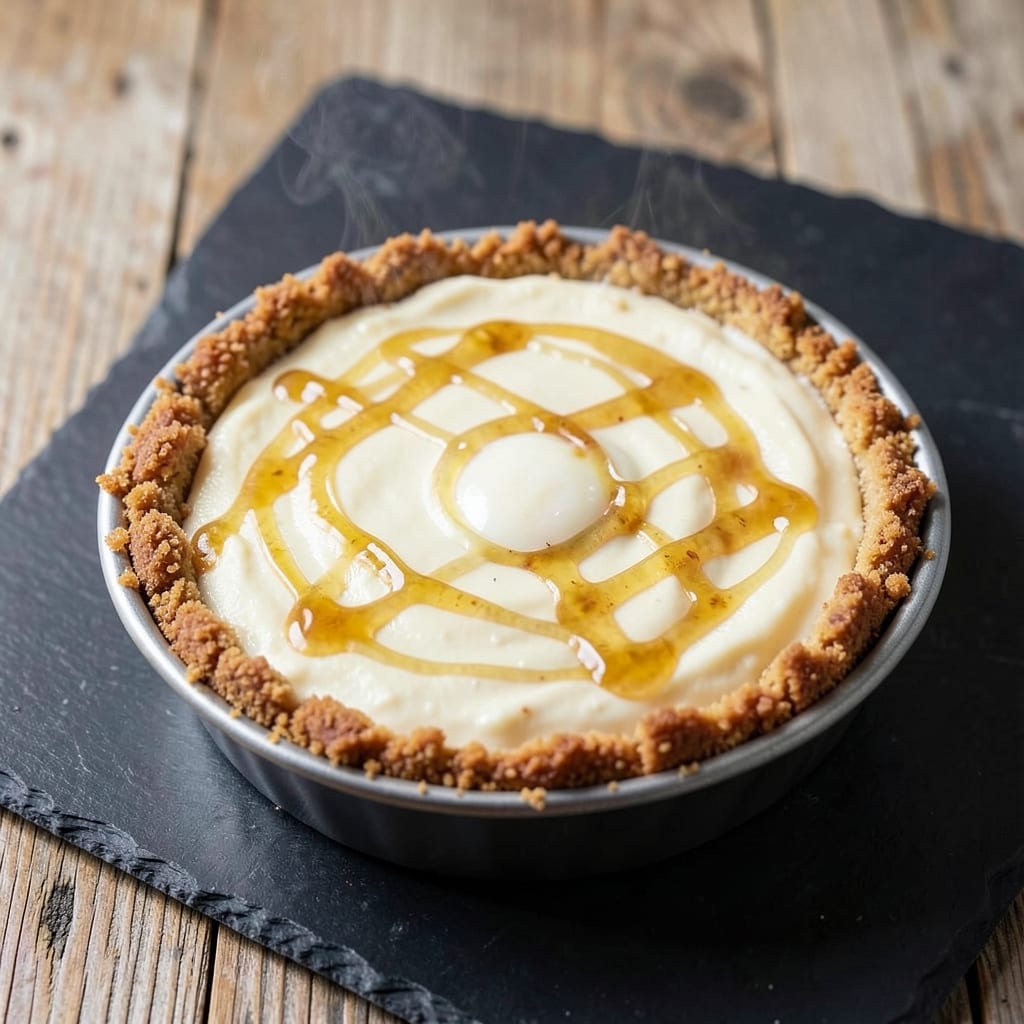
This 2-egg cheesecake recipe delivers restaurant-quality richness in a single-serving format, perfect for satisfying cravings without the hours of baking. The secret lies in using just two eggs—enough to create a silky, creamy texture without requiring a water bath or lengthy chilling. I developed this recipe after testing countless variations, and it consistently delivers a dense, velvety center with a perfectly set crust.
The beauty of this approach is its efficiency: no stand mixer required, no waiting for a water bath to cool, and no need to slice a full cheesecake. The crust, made from crushed graham crackers and butter, forms a sturdy base that holds up beautifully. What makes this recipe truly special is how it balances simplicity with professional results—ideal for breakfast, dessert, or an indulgent snack.
By the time you take that first bite, you'll taste the difference between this and traditional cheesecakes: a creamy, smooth texture with just the right amount of tang from the cream cheese. The crust stays crisp while the filling remains lusely soft, proving that decadence doesn't require complexity. This is the kind of dessert that feels like a treat without the fuss.
Perfect for meal prep or spontaneous cravings, this cheesecake keeps well in the fridge for up to three days. Top it with fresh berries, a drizzle of caramel, or a sprinkle of cinnamon for extra flair. Here's how to make it—simple, foolproof, and utterly satisfying.
Ingredients for 2 egg cheesecake
Eleven ingredients transform into restaurant-quality single-serve cheesecake without stand mixer or water bath.
| Ingredient | Amount | Notes |
|---|---|---|
| Full-Fat Cream Cheese 🧀 | 8 oz | Room temperature for blending |
| Large Eggs 🥚 | 2 whole | Room temperature preferred |
| Granulated Sugar 🍚 | ½ cup | Superfine preferred for smoothness |
| Light Corn Syrup 🍯 | 2 tbsp | Or honey for natural sweetness |
| Vanilla Extract 🌿 | 1 tsp | Pure Madagascar preferred |
| Graham Cracker Crumbs 🍞 | 1 cup | Finely crushed, no large pieces |
| Unsalted Butter 🧈 | ½ cup | Cold, cubed for crust |
| Powdered Sugar 🍚 | 1 tbsp | For dusting finished cheesecake |
| Diamond Crystal Kosher Salt 🧂 | ¼ tsp | Fine grain for delicate seasoning |
| Lemon Juice 🍋 | 1 tbsp | Freshly squeezed for tang |
| Heavy Cream 🥛 | ¼ cup | Optional for extra richness |
The cream cheese quality is non-negotiable here—Philadelphia brand delivers consistent results. Room temperature is critical for blending; microwave in 15-second bursts if needed. For the crust, Honey Maid graham crackers yield the best texture, but any sturdy graham works. The butter should be cold to prevent melting during crust formation. Trader Joe's carries pre-crushed graham crumbs if you prefer convenience. Always measure the crumbs after crushing to ensure proper ratio.
No corn syrup? Agave nectar or maple syrup works at a 1:1 ratio, though texture may vary slightly. Substitute honey for natural sweetness, but reduce by 1 tbsp to account for moisture. Vanilla bean paste adds depth if you're feeling indulgent. For a lighter texture, omit the heavy cream, but include it for that ultra-rich, professional finish. The lemon juice brightens the filling—Meyer lemons offer a subtly floral note worth seeking out. If using powdered sugar for dusting, sift it through a fine mesh strainer for an even finish.
Store finished cheesecakes in an airtight container with parchment between layers for up to 5 days. Freeze for 2 months by wrapping tightly in plastic wrap and aluminum foil. For meal prep, bake individual portions in 6-ounce ramekins—4 servings per batch. The crust stays crispest when chilled; bring to room temperature 10 minutes before serving. Garnish with fresh berries or a drizzle of caramel just before eating to preserve presentation.
Why You'll Love This Recipe
- No Mixing Madness: I swear by this recipe because it’s literally one bowl—no food processor, no overmixing, no stress. You beat the cream cheese until it’s smooth, then fold in the eggs and sugar like you’re making a lazy lasagna. Honestly, the only tool you need is a hand mixer and a spatula.
- Two-Ingredient Magic: That corn syrup might sound weird, but it’s the secret weapon—it keeps this cheesecake creamy without being dense. The full-fat cream cheese gives it that rich, velvety texture, while the vanilla ties it all together like a warm hug. Between us, it’s the closest thing to a bakery slice I’ve made at home.
- Weeknight Miracle: This is my go-to when I need something sweet but don’t have time to bake. It sets in the fridge in under 4 hours, so you can have dessert tonight instead of waiting for a weekend. (Yes, even on a Tuesday night when you’re exhausted.)
- Budget-Friendly Luxury: Two eggs and a block of cream cheese stretch farther than you’d think—this recipe serves 6 but costs less than $5. The leftovers? Even better cold, sliced into squares for a quick breakfast or office snack. I’ll be real: my coworkers think I’m a dessert chef.
Step-by-step instructions for single-serve cheesecake
Master this method and you'll achieve a perfectly smooth, jiggly center every time.
Prepare the Crust
Preheat your oven to 325°F. In a food processor, pulse together the 1 cup graham cracker crumbs, 0.5 cup unsalted butter, and 0.25 tsp diamond crystal kosher salt until the mixture resembles coarse sand with pea-sized butter pieces remaining. Press this evenly into the bottom of a 6-inch springform pan, creating an even layer.
Bake the crust for 8-10 minutes until lightly golden at the edges. Let it cool slightly while you prepare the filling—this prevents the crust from becoming soggy when the warm cheesecake hits it. The crust should be firm enough to hold its shape when gently pressed, but not so hard it cracks when you add the filling later.
Whip the Cream Cheese Filling
In a large mixing bowl, beat the 8 oz full-fat cream cheese at medium speed with an electric mixer until completely smooth, about 2-3 minutes. Add the 0.5 cup granulated sugar and 2 tbsp light corn syrup, mixing until fully combined and the mixture is pale and fluffy. This step is critical—under-whipped cream cheese leads to dense, rubbery results.
Add the 2 whole large eggs one at a time, mixing just until each is incorporated after about 10 seconds per addition. Scrape down the sides of the bowl with a spatula to ensure even mixing. The batter should be thick but pourable, with a ribbon-like consistency when the beaters are lifted. Add the 1 tsp vanilla extract and 1 tbsp lemon juice, mixing briefly to combine.
Fold in Optional Heavy Cream
If using, gently fold in the 0.25 cup heavy cream with a rubber spatula until just combined. This step adds luxurious richness without altering the texture. Be careful not to overmix—just enough to distribute the cream evenly throughout the batter. The mixture should remain smooth and homogeneous, with no visible streaks of cream.
Pour the filling over the cooled crust, spreading it evenly with a spatula. Tap the pan gently on the counter to release any air bubbles that may have formed. The filling should settle to about ½ inch below the pan's rim, allowing room for expansion during baking.
Bake to Perfection
Place the springform pan on a baking sheet lined with parchment paper to catch any potential spills. Bake at 325°F for 30-35 minutes, until the edges are set but the center still jiggles slightly when gently shaken. The cheesecake should pull away from the sides of the pan and have a golden hue around the edges.
Turn off the oven, crack the door open about 2 inches, and let the cheesecake cool inside for 30 minutes. This slow cooling prevents cracking. Remove from the oven and let it cool to room temperature, then refrigerate for at least 4 hours or overnight. This chilling time ensures a clean slice with no weeping filling.
Finish and Serve
Once fully chilled, dust the top with 1 tbsp powdered sugar using a fine-mesh sieve for an elegant finish. Run a knife around the edge of the springform pan to loosen the cheesecake, then release the clasp and transfer to a serving plate. The texture should be silky smooth with a clean break when sliced—no cracks or dense spots.
Serve immediately or store covered in the refrigerator for up to 3 days. Each slice should reveal a creamy, vibrant yellow center with a delicate tang from the lemon juice, perfectly balanced by the buttery graham crust. The key to success lies in precise temperature control and gentle handling—never rush the cooling process.
Pro Tips For Making 2 Egg Cheesecake
- Whip Cream Cheese Cold: Take your full-fat cream cheese straight from the fridge—room temperature is overrated here. I used to let it sit out for "softness," but it adds air and risks splitting later. Cold blocks of cream cheese beat eggs into a smooth batter every time, no lumps.
- Mix Corn Syrup Last: Save the light corn syrup for the very end—after eggs and vanilla. It’s sticky stuff, and mixing it in early turns your batter into a gloppy mess. Stir it in just until combined, then stop. Trust me, your cheesecake won’t fight you.
- Skip the Overmixing: Once you’ve folded in the eggs, give it one gentle turn with a spatula. Overmixing introduces air, and this recipe isn’t built for fluff. A few streaks of egg yolk? That’s fine—it’ll still set up silky, not cakey.
- Water Bath at 325°F: Don’t rush the oven—325°F is non-negotiable for this small batch. I learned this the hard way when a 350°F oven left the center underdone and the edges dry. Bake it slow, then let it cool completely before chilling. Patience here means no cracks.
Regional styles of this recipe
New York Classic
This version stays true to the original with a few key adjustments for single-serving perfection. Use Honey Maid graham crackers for the crust and add 1 tbsp sour cream to the filling for that signature tang. Bake in 4-ounce ramekins for portion control, and finish with a caramel drizzle—a must in NYC bakeries. The lemon juice here is especially important; I use Meyer lemon for a floral note that feels authentic. 🍋
Southern Comfort Style
For a Southern twist, swap the graham cracker crust for pecan shortbread—blend 1 cup pecans with ½ cup melted butter and ½ cup sugar, then press into the pan. The filling gets a boost of 1 tsp bourbon (like Buffalo Trace) and ½ tsp cinnamon, giving it a warm, spiced character. Top with whipped cream and fresh peaches for a true Southern dessert experience. This version pairs beautifully with sweet tea.
Italian Lemon Twist
Inspired by Sicilian cassata, this variation uses amaretti cookies (crushed) for the crust and infuses the filling with 1 tbsp limoncello instead of vanilla. Add zest from 1 lemon to the batter for extra brightness. Finish with a dusting of powdered sugar and candied citrus peel for an elegant touch. Serve chilled—this version is lighter but still rich, perfect for warm weather cravings. 💛
French Macaron Layer
For a Parisian-inspired twist, layer crushed macarons (about ½ cup) between the crust and filling, then top with another thin layer of macaron crumbs before baking. The filling gets a touch of 1 tsp rose water for floral elegance. This version is best served with raspberry coulis on the side. The contrast between the delicate macaron and creamy cheesecake is pure indulgence. 🌸
Mexican Chocolate Fusion
Add 2 tbsp Mexican chocolate (like Abel chocolate) to the filling and fold in 1 tbsp chopped Mexican chocolate at the end. The crust can be made with chocolate wafer cookies instead of graham crackers. Top with tajín and pomegranate seeds for a sweet-spicy kick. This version is perfect for brunch or a festive dessert with a bold flavor profile. 🌶️
Japanese Matcha Green
For a modern twist, replace ½ cup of the sugar with 2 tbsp matcha powder (sifted) and add 1 tsp vanilla to balance the earthiness. The crust can be made with green tea cookies (like Senbei) for a cohesive flavor. Finish with white chocolate shavings and red bean paste for a traditional touch. This version is vibrant, slightly bitter, and utterly refreshing. ✨
Nutrition facts
Frequently asked questions
Why does this recipe use only 2 eggs?
Two eggs create the perfect balance of structure and creaminess without requiring a water bath or lengthy cooling. This smaller egg count prevents cracking while still delivering that signature silky texture. The corn syrup helps stabilize the mixture, allowing it to set properly even with fewer eggs.
Can I make this cheesecake without a springform pan?
Yes! Use individual 4-ounce ramekins or a regular cake pan lined with parchment paper. For easy removal, lightly grease the sides with butter or nonstick spray. The key is to avoid overfilling—the batter should reach only ½ inch below the pan's rim to allow for expansion.
What's the secret to avoiding cracks?
Cracks usually happen from sudden temperature changes. After baking, turn off the oven, crack the door open 2 inches, and let it cool inside for 30 minutes. Then cool to room temperature before refrigerating. Also, never open the oven door during baking—this creates drafts that cause uneven cooling.
Can I substitute sour cream for heavy cream?
Yes, but with adjustments. Use ¼ cup sour cream instead of heavy cream, but reduce the corn syrup by 1 tablespoon to account for the extra moisture. Sour cream adds tanginess similar to lemon juice, so you can omit the lemon if using this substitution. The texture will be slightly denser but still delicious.
How do I know when it's fully baked?
The edges should be set while the center still jiggles slightly when gently shaken. Insert a toothpick—it should come out with a few moist crumbs, not wet batter. The cheesecake should pull away cleanly from the sides of the pan. Overbaking leads to dryness, so err on the side of slightly underdone.