
Desserts
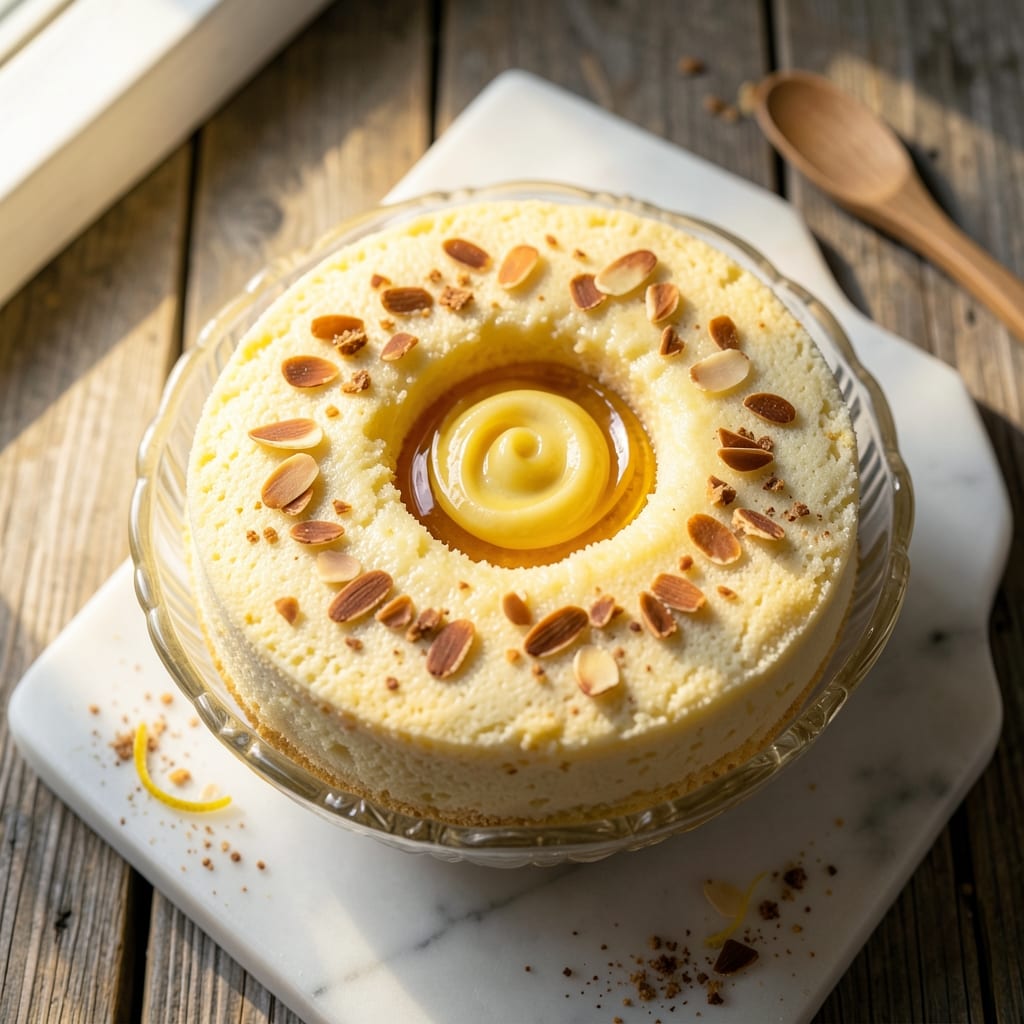
This two-egg chiffon cake recipe delivers restaurant-quality lightness without the fuss of traditional methods—perfect for home bakers who crave airy height in every slice. The secret lies in a foolproof folding technique that incorporates air while maintaining structure, all while using just two eggs for a budget-friendly yet impressive result. No special equipment required beyond a standard oven and mixing bowl.
What sets this recipe apart is the balance between simplicity and precision—whipped egg whites folded into a delicate batter create that signature cloud-like texture, while baking in a single tin saves time and cleanup. The cake emerges with tender, moist layers and a subtle vanilla flavor that pairs beautifully with fresh fruit or a dusting of powdered sugar.
Mastering the fold is where the magic happens: gentle, repetitive motions incorporate air without deflating the whites, ensuring maximum height and a delicate crumb. Even beginners achieve professional results with this method, and the recipe scales easily for special occasions or everyday treats.
The best part? This cake stays fresh for days, making it ideal for meal prep or gifting. Whether you're hosting a brunch or simply craving a light dessert, this two-egg chiffon cake delivers elegance without the complexity. Let’s get baking!
Ingredients for 2 egg chiffon cake
Twelve ingredients transform into a cloud-like chiffon cake with restaurant-quality height using just two eggs.
| Ingredient | Amount | Notes |
|---|---|---|
| Large Eggs 🥚 | 2 whole | Room temperature for best volume |
| Granulated Sugar 🍚 | 1 ½ cups | Superfine preferred for smooth texture |
| Unsalted Butter 🧈 | ½ cup | Cold, cubed for folding |
| All-Purpose Flour 🌾 | 1 cup | Sifted for lightness |
| Vanilla Extract 🌿 | 1 tbsp | Pure Madagascar preferred |
| Lemon Juice 🍋 | ½ tsp | Freshly squeezed for acidity |
| Salt 🧂 | ¼ tsp | Diamond Crystal kosher preferred |
| Cream of Tartar 🧂 | ¼ tsp | Stabilizes egg whites |
| Vegetable Oil 🫒 | 2 tbsp | Light, neutral flavor |
| Milk 🥛 | ½ cup | Whole milk for richness |
| Cake Flour 🌾 | ¼ cup | Optional for finer crumb |
| Powdered Sugar 🍚 | ¼ cup | For dusting finished cake |
The eggs are the foundation—room temperature is non-negotiable for maximum volume. Pasture-raised eggs from Whole Foods or local farms yield richer, more stable whites, but store-bought large eggs work perfectly too. For the sugar, superfine granulated dissolves more easily, but pulse regular sugar in a food processor if needed. The butter must be cold and cubed—softened butter loses structure during folding. European-style butter like Plugrá has higher fat content, making it ideal for this delicate texture.
No cream of tartar? Substitute lemon juice at double the amount, though it won't stabilize whites as effectively. Vegetable oil prevents dryness—avoid coconut oil, which can impart flavor. For a finer crumb, cake flour replaces 1/4 cup of all-purpose, but the recipe works without it. Almond milk can replace regular milk for a lighter texture, though whole milk adds richness. The vanilla extract should be 100% pure—imitation extracts contain water and won't deliver the same depth of flavor. If you're short on time, vanilla bean paste works beautifully and adds flecks of vanilla for visual appeal.
Store the baked cake in an airtight container at room temperature for up to 3 days, or refrigerate for 5 days if humidity is high. For longer storage, wrap tightly in plastic and freeze for up to 3 months. The cake reheats beautifully—wrap a slice in foil and warm in a 200°F oven for 5 minutes to restore its tender texture. To prevent drying, place a slice of bread on top of the cake when storing—it absorbs excess moisture and keeps the layers soft.
Why You'll Love This Recipe
- Light as Air: I swear, this cake barely weighs anything—just two eggs, sugar, and butter whipped into clouds. The moment it slides out of the pan, you’ll understand why it’s called "chiffon."
- Vanilla Kiss Perfection: That vanilla extract? It’s not just flavor—it’s the secret to a cake so tender it melts in your mouth. Honestly, I’ve tried cutting it back, but then it’s just… sad.
- Weeknight Magic: No one’s around for a fancy dessert? No problem. This comes together faster than takeout, and the leftovers? They’re the star of your lunchbox the next day.
- Budget-Friendly Luxury: You’re using basic pantry staples—eggs, flour, butter—but the result? A cake that tastes like it cost a fortune. Between us, I’ve made this on a grocery run with just $5 worth of ingredients.
Step-by-step instructions for light-as-air chiffon cake
Mastering chiffon cake requires precision in timing and technique—here's how to achieve that signature height and tenderness.
Separate Eggs and Whip Whites to Stiff Peaks
Begin by separating the 2 whole Large Eggs, placing yolks in one bowl and whites in a clean, grease-free metal bowl. I use a fine-mesh strainer to ensure no yolk traces contaminate the whites—this is critical for maximum volume. Add the 0.25 tsp Cream of Tartar to the whites and whip on high speed until soft peaks form.
Gradually increase speed to high and continue whipping until the whites form stiff, glossy peaks that hold their shape when the whisk is lifted. The bowl should feel cool to the touch, and the peaks should stand straight up. This process takes about 5-7 minutes—don't rush it. The structure you build now determines your cake's height.
Prepare Yolk Mixture and Fold in Dry Ingredients
In a separate bowl, combine the 1.5 cups Granulated Sugar with the egg yolks. Whisk vigorously until the mixture is pale, thick, and triples in volume—about 3-4 minutes. This step incorporates air, which is essential for that signature chiffon texture. Add the 1 tbsp Vanilla Extract, 0.5 tsp Lemon Juice, and 0.25 tsp Salt, whisking until fully incorporated.
Sift together the 1 cup All-Purpose Flour and 0.25 cup Cake Flour (if using) into the yolk mixture. Gently fold with a spatula until just combined—do not overmix. The batter should remain smooth and slightly thick. This is where the magic happens: the dry ingredients are gently incorporated to maintain the air pockets created in the yolk mixture.
Combine Wet Ingredients and Fold in Egg Whites
Melt the 0.5 cup Unsalted Butter in a saucepan over low heat until fully liquid but not browned. Remove from heat and stir in the 0.5 cup Milk and 2 tbsp Vegetable Oil until smooth. Let the mixture cool to room temperature—this prevents deflating the egg whites when combined.
Gradually pour the warm butter mixture into the yolk mixture while folding gently with a spatula. This step should be done slowly to maintain the air incorporated earlier. Once fully combined, add one-third of the egg whites and fold just until no white streaks remain. Repeat with the remaining whites, being careful to preserve the air pockets. The final batter should be thick, glossy, and hold its shape when lifted with the spatula.
Bake at Low Temperature for Even Rising
Preheat your oven to 325°F—this lower temperature allows the cake to rise gradually without collapsing. Pour the batter into an ungreased 9-inch tube pan lined with parchment paper that extends above the rim. Tap the pan gently on the counter to remove any air bubbles.
Bake for 50-60 minutes until the top springs back when pressed lightly with a finger. The cake should pull away from the sides of the pan and have a golden, slightly domed top. If the edges brown too quickly, tent loosely with foil. The internal temperature should reach 200-205°F—this ensures doneness without overbaking.
Invert and Cool for Maximum Height
Immediately after removing from the oven, invert the cake onto a wire rack. Let it cool completely in this position for at least 2 hours—this step is crucial for maintaining height and preventing collapse. The cake should release easily from the pan when fully cooled.
Once cooled, carefully remove the parchment paper and dust the top with 0.25 cup Powdered Sugar using a fine-mesh sieve. Serve immediately or store in an airtight container for up to 3 days. The result should be a cake with light, airy layers and a tender crumb that melts in your mouth—proof that two eggs can create magic when handled with care.
Pro Tips For Making 2 Egg Chiffon Cake
- Whip Eggs to Ribbon Stage: Stop when the egg mixture holds stiff peaks that slowly drape like wet ribbon—no need for overbeating, or you’ll end up with a dense brick. I learned this the hard way after making a cake so tough my dog refused to eat it (yes, even with frosting).
- Melt Butter Slowly: Warm the butter just until it turns liquid—no sizzling, no steam. Cold butter won’t emulsify properly, and hot butter can curdle the eggs. Use a double boiler or microwave in 10-second bursts, stirring until smooth.
- Sift Flour Twice: Chiffon cake hates lumpy flour. Sift it directly into the egg mixture and repeat after folding in—this keeps the batter light and airy. I was skeptical until I tried it; the texture difference is night and day.
- Bake at 325°F, Not Hotter: Chiffon cake is delicate—high heat causes a fast rise followed by a sad collapse. Stick to 325°F and bake until the top springs back when pressed, not until it browns. Overbaking dries it out faster than a summer day in Arizona.
Regional styles of these flavors
Japanese Mochi-Inspired
For a delicate twist, replace the vanilla extract with 2 tsp matcha powder and fold in ¼ cup red bean paste during the final batter stage. Bake in a 325°F oven for 45 minutes until the edges are set but the center remains slightly jiggly. After cooling, slice into thin layers and serve with kinako (roasted soybean flour) for a Japanese-inspired dessert that’s light yet satisfying. 🌸
Southern Lemon Blueberry
Boost the citrus notes by adding 1 tbsp lemon zest to the yolk mixture and folding in ½ cup fresh blueberries during the final fold. Use a 9-inch Bundt pan instead of a tube pan for a classic Southern presentation. Brush the cooled cake with a simple syrup made from ½ cup sugar and ¼ cup water to keep it moist. Top with extra blueberries and a dusting of powdered sugar for a brunch-worthy treat.
German Black Forest
Infuse the batter with 1 tbsp Kirsch (cherry brandy) by mixing it into the yolk mixture. After baking, soak the cooled cake in ½ cup Kirsch mixed with ½ cup warm water, then fill the center with a cherry compote made from 1 cup pitted cherries, 2 tbsp sugar, and 1 tsp cornstarch. Top with whipped cream and fresh cherries for a decadent twist on the classic Black Forest cake. 🍒
French Vanilla Bean
Elevate the vanilla flavor by using 1 vanilla bean instead of extract—split it lengthwise, scrape the seeds into the yolk mixture, and steep the pod in the milk before adding it to the batter. For extra elegance, dust the cooled cake with powdered sugar and garnish with edible gold leaf or a sprinkle of crushed pistachios. This version captures the sophistication of French patisserie with minimal effort.
Italian Almond
Add ¼ cup almond flour to the dry ingredients and fold in 2 tbsp almond paste during the final batter stage. Use a 9-inch springform pan for easier release, and bake at 325°F for 50 minutes. After cooling, drizzle with a simple almond glaze made from ½ cup powdered sugar, 1 tbsp almond extract, and 1 tbsp milk. This version delivers a nutty, aromatic twist perfect for holiday desserts.
Tropical Coconut
Replace the milk with ½ cup coconut milk and fold in ¼ cup shredded coconut during the final fold. Add 1 tsp coconut extract to the yolk mixture for deeper flavor. Bake in a 9-inch tube pan as usual, then top with toasted coconut flakes and a drizzle of mango purée. This version transports you to a tropical paradise with every bite. 🥥
Nutrition facts
Frequently asked questions
Why does this recipe use only 2 eggs?
This recipe achieves its signature lightness by focusing on proper folding technique rather than egg quantity. Two eggs provide enough structure while keeping the texture delicate—overmixing or excess eggs can lead to a dense cake. The key is incorporating air through gentle folding, which creates that signature chiffon texture without needing more eggs.
Can I make this cake without a tube pan?
Yes! Use a 9-inch round or Bundt pan instead, but line it with parchment paper to prevent sticking. For even rising, avoid greasing the pan—just make sure it's completely dry. The cake will still achieve height, though the shape will differ slightly. For a more traditional look, a springform pan also works well.
What's the secret to getting that light, airy texture?
The magic happens in three steps: whipping egg whites to stiff peaks, folding gently in stages, and cooling inverted. Overmixing or deflating the whites collapses the structure. Use a clean, grease-free bowl for whites, and fold with a spatula in a "J" motion to preserve air pockets. The 2-hour cooling time is non-negotiable for maintaining height!
Why does my cake collapse after baking?
Collapse usually happens from one of three issues: overmixing the batter, deflating the egg whites, or opening the oven door too soon. Make sure your whites are fully stiff before folding, and avoid adding any liquid after the final fold. Also, don't peek at the cake while baking—sudden temperature changes cause it to sink. A 325°F oven and 50-60 minutes of baking time help prevent this.
Can I substitute cake flour with all-purpose flour?
Yes, but your cake will be slightly denser. Replace the 0.25 cup cake flour with 0.25 cup all-purpose flour and add 1 tbsp cornstarch to the dry ingredients. This helps mimic cake flour's finer texture and lower protein content. For best results, sift all dry ingredients together to avoid lumps that can weigh down the batter.