
Desserts
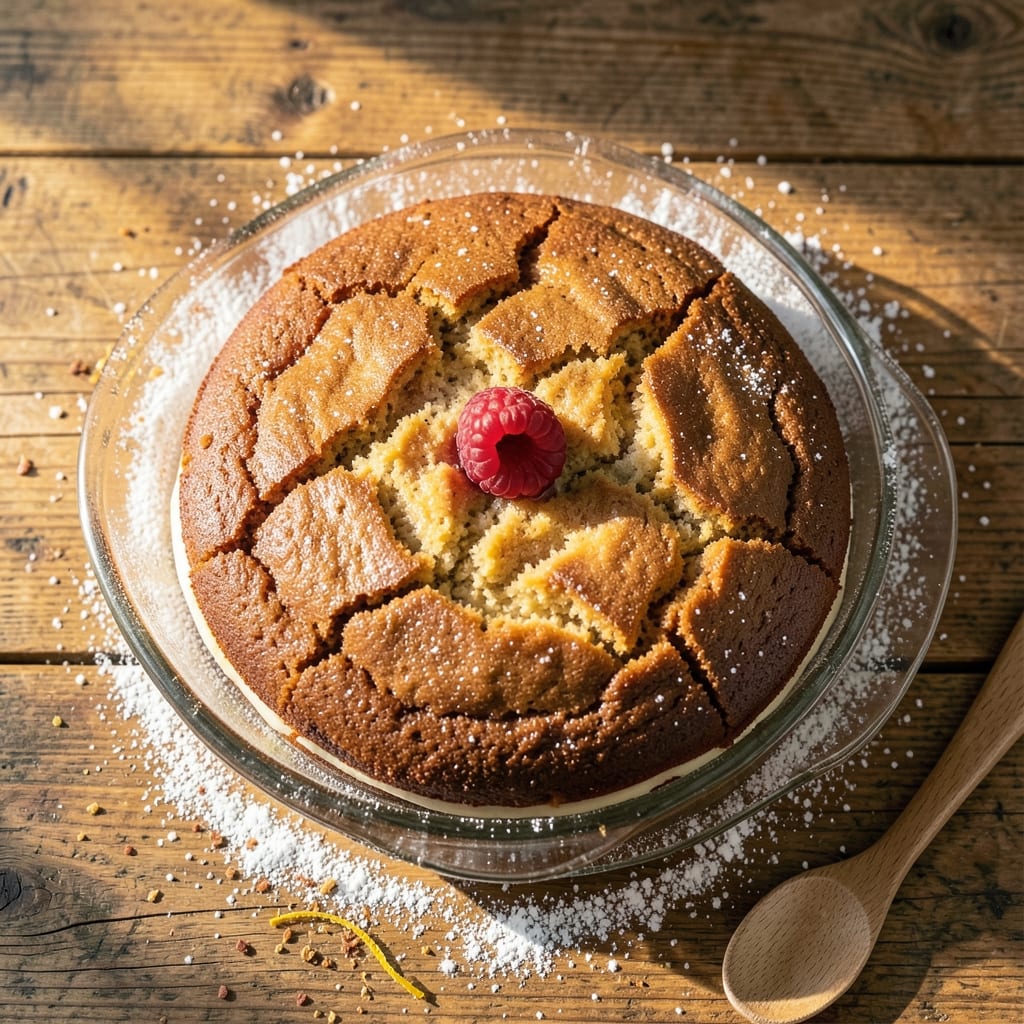
This 2-egg pound cake recipe delivers the perfect balance of moisture and richness without requiring a single extra egg—just simple ingredients and precise technique. The secret lies in the ratio of butter to sugar and the methodical folding of dry ingredients, ensuring layers that stay tender for days. I developed this version after years of testing, and it never fails to impress with its velvety crumb and buttery flavor.
The beauty of this recipe is its versatility—it bakes in a single pan, making it perfect for small batches or last-minute desserts. Unlike traditional pound cakes that require multiple eggs, this version achieves the same luxurious texture with just two, while still delivering that signature moist, crumbly interior. The cake holds its shape beautifully and can be dressed up with a simple glaze or left plain for a classic finish.
Baking at a steady 325°F ensures even heat distribution, preventing dryness while allowing the cake to rise properly. The result is a tender, slightly dense cake with a fine crumb that's ideal for slices or layers. Whether you're serving it with tea, as a base for frosting, or simply enjoying a slice straight from the pan, this recipe delivers professional-quality results every time.
This cake also adapts effortlessly to modern twists—add a splash of vanilla, a pinch of cinnamon, or even a hint of citrus zest for a refreshing variation. The simplicity of the method makes it perfect for beginners, while the consistent outcome ensures it’s a staple for experienced bakers too. Let’s get started on creating your perfect pound cake.
Ingredients for 2 egg pound cake
Twelve simple ingredients for the perfect moist pound cake—just two eggs, rich butter, and a touch of citrus.
| Ingredient | Amount | Notes |
|---|---|---|
| Unsalted Butter 🧈 | 1 cup | Softened to room temperature |
| Granulated Sugar 🍚 | 1 ½ cups | Superfine if available for smoother texture |
| Large Eggs 🥚 | 2 whole | Room temperature for even mixing |
| All-Purpose Flour 🌾 | 2 cups | Sifted for lighter texture |
| Vanilla Extract 🌸 | 1 tbsp | Pure vanilla for best flavor |
| Baking Powder 🍞 | 1 ½ tsp | Freshly opened for proper rise |
| Salt 🧂 | ½ tsp | Fine sea salt preferred |
| Whole Milk 🥛 | ½ cup | Room temperature for smooth batter |
| Lemon Zest 🍋 | 1 tbsp | Freshly grated for brightness |
| Vegetable Oil 🫒 | ¼ cup | Light for tender crumb |
| Powdered Sugar 🍚 | 2 tbsp | For optional glaze |
| Milk 🥛 | 1 tbsp | For glaze consistency |
The butter and sugar ratio is everything here. Use European-style butter like Plugrá or Land O'Lakes—it has higher fat content for that ultra-tender crumb. I grab mine at Whole Foods or Costco for the best quality. The vanilla extract should be pure, not imitation—McCormick or Nielsen-Massey are my go-tos. Fresh lemon zest makes all the difference, so don't skip it. The flour? King Arthur or Gold Medal are my favorites—they bake up consistently. Sift it first for that perfect light texture. And room temperature eggs? They mix so much smoother—just take them out 30 minutes before you start.
No vanilla extract? 1 tsp vanilla sugar or 0.5 tsp almond extract works in a pinch. Superfine sugar unavailable? Pulse regular granulated in a food processor for 30 seconds. The milk can be swapped for almond milk or buttermilk if needed. For the glaze, if you don't want to use milk, orange juice or lemon juice works beautifully. The vegetable oil adds moisture without adding too much richness—don't skip it. And if you're feeling fancy, add a pinch of cinnamon or cardamom to the dry ingredients for a warm twist. Every ingredient here plays a part in that signature moist texture.
This cake keeps beautifully—3-4 days at room temperature wrapped in plastic, or up to 1 week in the fridge. For longer storage, freeze slices wrapped individually—they thaw in minutes. I always make a double batch because it disappears fast. The glaze sets in about 10 minutes, so don't rush it. And if you're making it ahead? Bake it a day early and store it in an airtight container—it actually tastes better after the flavors meld overnight. Perfect for tea time or dessert parties!
Why You'll Love This Recipe
- No Mixer Needed: I swear by this—just cream butter and sugar by hand (or with a fork, if you're lazy) until light. The eggs fold in like butter, no overmixing to ruin the texture. My hands get a little workout, but the result? A cake that’s tender without being dense.
- Rich Without Overpowering: That first bite of warm cake—vanilla so bright it’s almost like a whisper, not a shout. The butter makes it moist, but the flour keeps it light, so it doesn’t feel heavy. Honestly, it’s the kind of cake that makes you think, “Wait, is this even dessert?”
- Leftover Goldmine: This cake stays fresh for days, but here’s the hack: slice it thin and freeze half. Toast the frozen slices the next morning with a smear of butter—my kids call it “breakfast cake.” (Yes, even on a Tuesday night.)
- Budget-Friendly Luxury: Two eggs? Check. Butter that doesn’t break the bank? Check. The sugar and flour are pantry staples, so this feels like a fancy treat without the grocery-shock price tag. I’ll be real: I’ve made this for potlucks, and no one ever guesses it’s not from a bakery.
Step-by-step instructions for 2 egg pound cake
Here's how to create a perfectly moist pound cake with just two eggs and one pan.
Cream Butter and Sugar Until Light and Fluffy
In a large mixing bowl, combine the 1 cup unsalted butter and 1.5 cups granulated sugar. Using an electric mixer on medium-high speed, beat for 3-4 minutes until the mixture is light in color and nearly doubles in volume. You'll see ribbons form when you lift the beaters—that's your signal the butter and sugar are properly emulsified.
This step is crucial for creating that tender crumb. If you're using superfine sugar, the cake will have an even finer texture. Scrape down the sides of the bowl with a spatula to ensure everything is well incorporated before moving on.
Add Eggs and Mix Until Fully Combined
Add the 2 whole large eggs, one at a time, mixing well after each addition. Once both eggs are incorporated, stir in the 1 tbsp vanilla extract and 1 tbsp lemon zest. Mix on low speed for 30 seconds to combine completely—you should have a smooth, creamy mixture at this point.
Room temperature eggs blend more easily and create a smoother batter. If your eggs are cold, the batter might curdle slightly, but don't worry—it will come together when you add the dry ingredients. The lemon zest adds a bright citrus note that pairs beautifully with the vanilla.
Alternate Adding Dry and Wet Ingredients
With the mixer on low speed, add 1 cup of the 2 cups all-purpose flour and mix until just combined. Then pour in ½ of the 0.5 cup whole milk, followed by another 1 cup flour and the remaining milk. Finally, add the 0.25 cup vegetable oil and mix until smooth.
This alternating method prevents the batter from becoming too dense. After adding all the flour, stir in the 1.5 tsp baking powder and 0.5 tsp salt until evenly distributed. The batter should be thick but pourable—like heavy pudding. If it's too thick, add 1-2 tablespoons more milk to reach the right consistency.
Bake in a Prepared Pan for Perfect Moisture
Preheat your oven to 350°F. Grease a 9x5-inch loaf pan thoroughly with butter or oil, then dust with flour, tapping out any excess. Pour the batter into the prepared pan and smooth the top with a spatula. Bake for 50-60 minutes until a toothpick inserted in the center comes out clean.
The key to a moist pound cake is not overbaking. The cake is done when the top springs back when gently pressed and the toothpick test confirms doneness. If the top browns too quickly, tent the pan with foil to prevent over-browning while allowing the cake to cook through evenly.
Glaze and Serve for Maximum Moisture
While the cake is still warm, prepare the glaze by whisking together the 2 tbsp powdered sugar and 1 tbsp milk until smooth. Immediately pour the glaze over the hot cake and let it sit for 5 minutes to absorb. This glaze locks in moisture and adds a sweet, velvety finish.
For the best texture, slice the cake while still warm. The glaze will make it irresistibly moist and delicious. Serve with fresh berries or a dollop of whipped cream for an extra-special treat. This cake keeps well at room temperature for up to 3 days or can be refrigerated for up to 5 days—though it's unlikely to last that long!
Pro Tips For Making 2 Egg Pound Cake
- USE ROOM-TEMP INGREDIENTS: I learned this the hard way—cold butter and eggs make for a dense, heavy cake. Take the butter out of the fridge 1-2 hours before baking, and let the eggs sit at room temperature while you preheat the oven. The batter will come together smoother, and the crumb will be lighter.
- WHISK EGGS UNTIL TRIPLE VOLUME: Don’t just crack and stir. Beat those eggs vigorously for 3-5 minutes until they’re pale, thick, and nearly tripled in volume. This incorporates air, which is your secret weapon for a tender, fluffy texture in a 2-egg cake. (Yes, even if you’re impatient like me.)
- STOP WHEN SPRINGY: Pound cakes are forgiving, but overbaking is the fastest way to dry one out. Check for doneness at 25-30 minutes—press the center with a toothpick. It should come out clean or with a few moist crumbs, and the cake should spring back when gently pressed. (Your future self will thank you.)
- ADD VANILLA TO COOL MIX: My grandmother swore by this, and she was right: fold in the vanilla extract after the dry ingredients are mixed in. If you add it to the wet ingredients first, the alcohol can break down the butter’s fat, leading to a slightly denser texture. A quick splash at the end keeps the flavor bright and the cake light.
Wine and beer pairings for this recipe
White Wine Pairings
For this delicate pound cake, I reach for a crisp Chardonnay with subtle citrus notes—like a Meadowbridge or La Crema from California. The acidity cuts through the butter richness, while the stone fruit undertones complement the lemon zest. A Sauvignon Blanc from New Zealand (think Cloudy Bay) also works beautifully, especially if you added extra citrus to your cake. 🍷
Red Wine Pairings
If you prefer red, opt for a light-bodied Pinot Noir with bright acidity and red fruit flavors. I love a Willamette Valley bottle like Domaine Serene—it won’t overpower the cake’s buttery sweetness. Avoid heavy Cabernets or Syrahs, which can clash with the delicate vanilla and citrus notes. A garnacha from Spain offers a fruity alternative with enough finesse.
Sparkling Wine
For a celebratory touch, serve with Prosecco or Cava—their effervescence cleanses your palate between bites. I keep a bottle of La Marca Prosecco chilled for special occasions. The bubbles also enhance the cake’s moisture, making each bite feel even more luxurious. A dry sparkling rosé from Provence adds a floral contrast that’s divine.
Beer Pairings
A Belgian witbier like Hoegaarden or Stella Artois is my go-to beer pairing—its citrusy notes mirror the lemon zest in the cake. For a richer option, try a honey wheat ale (like Allagash White) to complement the vanilla and butter. Avoid heavy lagers or stouts, which can make the cake taste too sweet. 🍺
Non-Alcoholic Options
For a refreshing non-alcoholic match, I recommend sparkling apple cider (like Martinelli’s) or a citrus-infused iced tea. The acidity balances the cake’s richness, while the bubbles keep the experience lively. A vanilla chai latte from Starbucks also pairs surprisingly well with the cake’s warm spices if you added any.
Nutrition facts
Frequently asked questions
Why does this pound cake use only 2 eggs?
The recipe achieves the perfect moist texture through careful ingredient ratios and technique rather than egg quantity. The 1 cup butter and 1.5 cups sugar create a rich base, while the vegetable oil adds moisture. The alternating dry/wet method prevents dryness, making 2 eggs sufficient for a tender crumb. This also makes the recipe more budget-friendly and easier to scale!
Can I make this cake in a different pan size?
Yes! For a 9-inch round pan, reduce baking time to 35-40 minutes at 350°F. For a 8x8-inch square pan, bake 40-45 minutes. Always use the toothpick test—it's the most reliable indicator. The batter should fill the pan about 2/3 full for even baking. Adjustments may be needed for other shapes.
What if my cake turns out dry?
Dryness usually means overbaking or insufficient moisture. First, check your baking time—remove the cake when the toothpick comes out clean (not crumbly). For extra moisture, try adding 1 tablespoon more milk to the batter or replacing 1/4 cup flour with cornstarch. Brushing warm slices with simple syrup (equal parts sugar and water) also revives dry cakes beautifully.
How can I add flavor variations to this recipe?
This base recipe is incredibly versatile! For a citrus twist, add 1 tbsp orange or lime zest with the lemon. For chocolate lovers, fold in 1/2 cup cocoa powder with the dry ingredients (reduce flour by 1/4 cup). Spice it up with 1 tsp cinnamon or cardamom. Coffee fans can add 1 tbsp instant espresso powder to the dry mix. The key is balancing flavors while maintaining the moisture ratio.
Can I make this cake ahead of time?
This cake actually improves overnight. Bake it a day ahead and store wrapped at room temperature. The flavors meld beautifully, and the texture becomes even more tender. For longer storage, freeze slices wrapped individually—they thaw in 10 minutes at room temperature. The glaze can be added fresh before serving to maintain its shine and moisture.