
Desserts
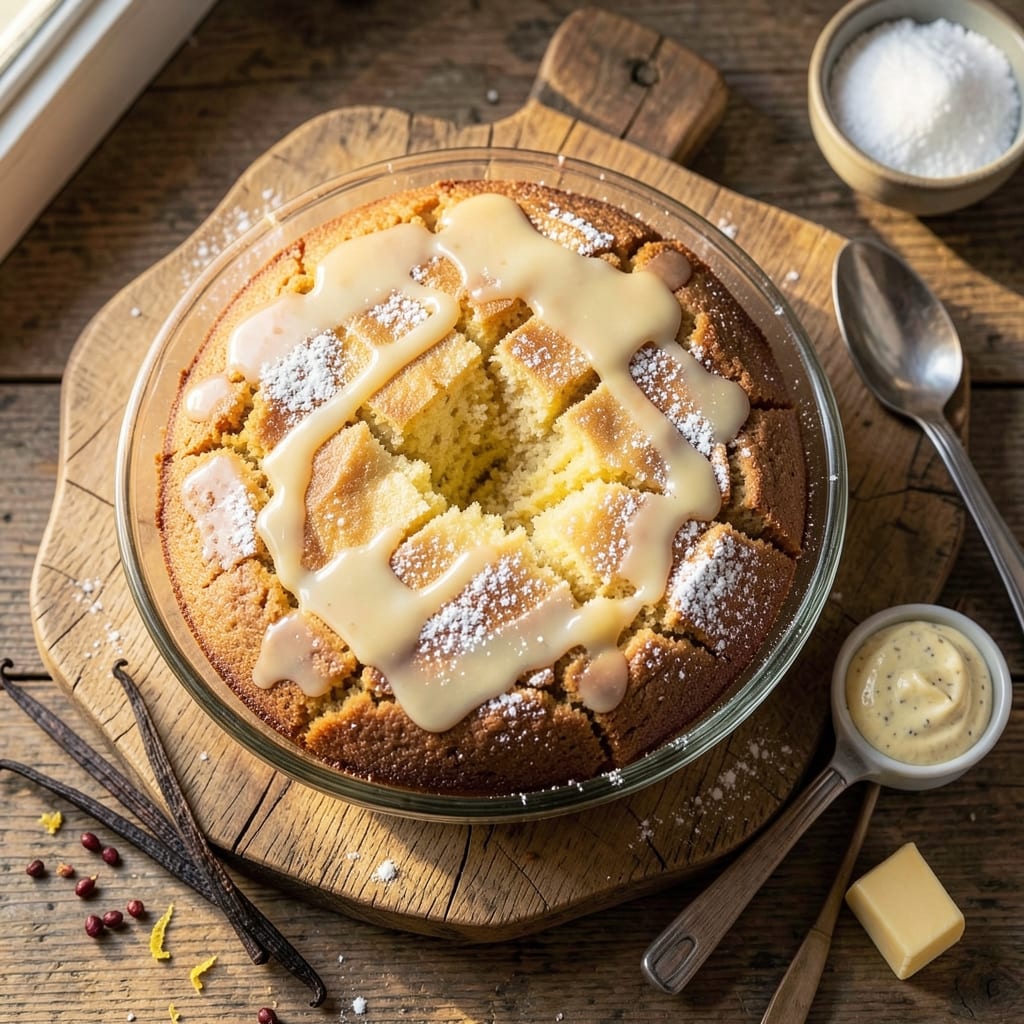
This 2-egg yellow cake recipe delivers perfectly moist layers without relying on heavy frosting—just the right balance of tender crumb and subtle sweetness. The secret lies in proper creaming and a touch of buttermilk, which keeps the texture light and fluffy even with fewer eggs. I developed this recipe after realizing most classic yellow cakes could be just as delicious with half the eggs, making it a more approachable option for home bakers.
The creaming method is key here—beating butter and sugar until light and fluffy incorporates air, which helps create that signature tender crumb. Adding buttermilk instead of regular milk adds tanginess that balances the sweetness while keeping the cake moist. Baking at 350°F for 25–30 minutes ensures even cooking without drying out the layers.
What you’ll end up with is a cake that’s perfectly moist and tender, with a delicate crumb that holds up well without heavy frosting. The flavor is classic yellow cake—vanilla notes with just enough sweetness—making it ideal for birthdays, celebrations, or even a simple dessert. The best part? It’s foolproof for beginners but still impressive enough for special occasions.
For extra flair, you can add a light dusting of powdered sugar or a simple glaze, but the cake stands beautifully on its own. This recipe is also vegetarian-friendly, as long as you use dairy-based butter. Let’s get baking!
Ingredients for 2 egg yellow cake
Nine simple ingredients for a cake that’s light, tender, and foolproof for any occasion.
| Ingredient | Amount | Notes |
|---|---|---|
| Unsalted Butter 🧈 | ½ cup | Softened to room temperature |
| Granulated Sugar 🍚 | 1 cup | White or light brown |
| Large Eggs 🥚 | 2 whole | Room temperature preferred |
| All-Purpose Flour 🌾 | 1 ½ cups | Sifted for even texture |
| Buttermilk 🥛 | ½ cup | Fresh or cultured |
| Vanilla Extract 🌿 | 1 tbsp | Pure vanilla preferred |
| Baking Powder 🧂 | 1 ½ tsp | Aluminum-free preferred |
| Salt 🧂 | ½ tsp | Diamond Crystal kosher |
| Vegetable Oil 🫒 | ¼ cup | Light or canola |
| Powdered Sugar 🍚 | ½ cup | For optional dusting |
| Lemon Juice 🍋 | 1 tbsp | Freshly squeezed |
The butter matters here—unsalted is a must—and it needs to be softened to room temperature for that perfect creaming. Land O’Lakes or Plugrá are my go-tos, but any good-quality brand works. The vanilla extract should be pure, not imitation—McCormick or Nielsen-Massey are solid choices. For the buttermilk, if you don’t have it on hand, mix 1 tablespoon lemon juice or vinegar with 1 cup milk and let it sit for 5 minutes. The flour? King Arthur or Gold Medal are my favorites—they’re reliable and give a great texture.
No buttermilk? Plain yogurt works too—just use the same amount. Short on vanilla? A pinch of vanilla bean paste adds depth without extra cost. The baking powder is non-negotiable—aluminum-free is key—or your cake might taste metallic. For the powdered sugar, if you don’t want to dust, a simple glaze of powdered sugar + lemon juice adds shine. The lemon juice in the batter brightens the flavor, but if you’re not a fan, skip it—it’s optional. The vegetable oil keeps the cake moist without adding richness, so don’t substitute with butter here unless you adjust the butter in the creaming step.
This cake keeps beautifully for 3 days in an airtight container at room temperature, or you can freeze it for up to 3 months. Wrap it tightly in plastic wrap and foil for freezing. To reheat, wrap the frozen cake in foil and warm in a 300°F oven for 10-15 minutes. The creaming method means it reheats perfectly—no dry crumbs. Store the powdered sugar in a sealed container to keep it fresh, and the vanilla extract in a cool, dark place for up to 2 years. The buttermilk can be refrigerated for up to 1 week after opening.
Why You'll Love This Recipe
- Moist Without Fuss: I swear by this cake’s secret—just two eggs and buttermilk. No overmixing, no dry crumb, just that perfect tender crumb that makes me want to eat it straight from the pan. The butter keeps it rich without needing extra fat.
- Sweet Spot Simplified: Granulated sugar and butter create this balanced sweetness that’s not cloying, not bland—just right. Honestly, it’s the kind of cake that tastes like a bakery’s but with half the ingredients.
- Leftovers That Last: This cake stays fresh for days, making it my go-to for picnics or lunches. Slice it up, wrap it tight, and it’s still perfect sandwich material. No sad, dry crumbs here.
- Budget Bakery Magic: Two eggs, a stick of butter, and buttermilk—this is cake on a shoestring. I’ve made it for birthdays, potlucks, even just because, and no one ever guesses it’s this simple. That’s the beauty of it.
Step-by-step instructions for 2-Egg yellow cake
Here's how to bake a perfectly moist cake using just two eggs—no heavy frosting required.
Cream Butter, Sugar, and Eggs Together
In a large mixing bowl, combine the 0.5 cup unsalted butter and 1 cup granulated sugar. Beat on medium speed with an electric mixer until light and fluffy, about 3-4 minutes. This step is crucial for incorporating air, which helps create that tender, moist crumb.
Add the 2 whole large eggs, one at a time, mixing well after each addition. Scrape down the sides of the bowl to ensure everything is fully incorporated. The mixture should be smooth and slightly thickened. Here's the thing—room temperature eggs blend more easily, so if yours are cold, let them sit out for 15-20 minutes before using.
Add Oil, Lemon Juice, and Vanilla
Pour in the 0.25 cup vegetable oil and 1 tablespoon lemon juice, mixing on low speed until fully combined. The oil keeps the cake moist, while the lemon juice adds a subtle brightness that balances the sweetness. Next, add the 1 tablespoon vanilla extract and mix for another 30 seconds until evenly distributed.
This is where the magic happens—the oil and lemon juice work together to create a tender crumb that stays moist long after baking. If you're using fresh lemon juice, strain it first to remove any pulp, which could make the batter grainy.
Combine Dry Ingredients and Fold Gently
In a separate bowl, whisk together the 1.5 cups all-purpose flour, 1.5 teaspoons baking powder, and 0.5 teaspoon salt. Sift the flour mixture directly into the wet ingredients, then gently fold in using a spatula. Avoid overmixing—just combine until no dry spots remain. The buttermilk will be added last, so don’t include it here.
For even texture, I like to use a spatula to cut through the batter from the bottom up, ensuring the dry ingredients are fully incorporated without developing gluten. Overmixing here leads to a tough cake, so stop as soon as the batter looks smooth and uniform.
Alternate Adding Buttermilk and Mixing
With the mixer on low speed, slowly pour in the 0.5 cup buttermilk while mixing just until combined. The buttermilk adds moisture and a slight tang that enhances the cake’s flavor. Once fully incorporated, the batter should be thick but pourable—like heavy pudding. If it’s too thick, add 1-2 tablespoons of milk to loosen it slightly.
This step is key for that signature moist texture. The buttermilk’s acidity also helps activate the baking powder, ensuring a light rise. Let the batter rest for 10 minutes at room temperature before baking—this allows the flour to fully hydrate and the cake to rise more evenly.
Bake Until Golden and Springy
Preheat your oven to 350°F and grease two 6-inch round cake pans or one 9x13-inch pan. Pour the batter evenly into the prepared pan(s) and smooth the tops. Bake for 25-30 minutes (or 30-35 minutes for the 9x13-inch pan) until a toothpick inserted in the center comes out clean and the edges pull away slightly from the pan.
Here’s the trick to avoid dryness: don’t overbake. The cake will continue cooking slightly as it cools, so pull it out when the top looks set but still slightly springy to the touch. For extra moisture, tent the pans with foil after 15 minutes of baking if your oven runs hot.
Cool and Dust with Powdered Sugar
Let the cake cool in the pan for 10 minutes, then transfer to a wire rack to cool completely. Once fully cooled, dust the top with 0.5 cup powdered sugar using a fine-mesh sieve for a light, elegant finish. This step isn’t just for looks—it also adds a subtle sweetness that complements the cake’s natural flavor.
Slice and serve while still slightly warm for the best texture. The cake will keep well in an airtight container at room temperature for 3-4 days, though I promise you won’t have any leftovers if you make this recipe!
Pro Tips For Making 2 Egg Yellow Cake
- Mix Butter and Sugar Until Pale: I learned this the hard way—stopping when it’s just "light" leaves a flat, dense cake. Keep whipping until the mixture looks like wet sand and leaves a trail when you lift the beater. That’s when the butter and sugar fully emulsify, giving you that classic tender crumb.
- Room-Temp Everything: Cold butter and eggs are the enemy of even baking. Take butter out 1 hour before starting, and crack eggs into a bowl to let them sit while you measure flour. Cold ingredients = uneven rise and a cake that sets too fast in spots.
- Don’t Overmix the Batter: Once you fold in the flour-buttermilk mix, stop mixing the second everything’s just combined. Overworking it develops gluten, and your cake turns tough instead of light. Two or three strokes with a spatula is all it takes—yes, even if it looks lumpy.
- Check Doneness with a Toothpick: The cake’s done when the center reads clean and springs back when you press the top gently. I’ve seen recipes say "200°F internal temp," but that’s not reliable here—this light batter can fool a thermometer. Trust the toothpick and your fingers more.
Perfect pairings for this recipe
Fruit Toppings
Fresh berries are my go-to for this cake—they add natural sweetness and vibrant color. Try 1 cup sliced strawberries or ½ cup blueberries tossed with 1 teaspoon honey and a pinch of cinnamon. Arrange them on top just before serving so they stay fresh and juicy. 🍓
Cream Cheese Glaze
For a tangy contrast, whip 4 oz cream cheese, 2 tablespoons butter, ½ cup powdered sugar, and 1 teaspoon vanilla extract until smooth. Drizzle over the cooled cake layers for a light, elegant finish. This glaze pairs perfectly with the cake’s buttermilk tang. 🧀
Whipped Cream
Classic whipped cream is always a winner—just whip 1 cup heavy whipping cream with 2 tablespoons powdered sugar until soft peaks form. Fold in ½ teaspoon vanilla extract for extra flavor. Pipe or dollop onto the cake for a restaurant-worthy touch. ✨
Caramel Drizzle
For a decadent twist, make a simple caramel sauce by melting ½ cup granulated sugar in a saucepan with 2 tablespoons butter and 3 tablespoons heavy cream. Let it cool slightly before drizzling over the cake. This adds a rich, gooey contrast to the tender crumb. 🍯
Citrus Zest
Brighten the cake with 1 teaspoon lemon zest or orange zest sprinkled on top. The citrus notes complement the vanilla and buttermilk beautifully. For extra flair, add a few drops of lemon or orange syrup around the edges. 🍋
Chocolate Ganache
Melt ½ cup dark chocolate chips with ¼ cup heavy cream, then let it cool slightly before pouring over the cake. This adds a luxurious, bittersweet contrast that elevates the simple yellow cake. Use semi-sweet chocolate for balance. 🍫
Nutrition facts
Frequently asked questions
Can I substitute buttermilk in this recipe?
Yes! If you don't have buttermilk, mix 1 tablespoon lemon juice or vinegar with 1 cup milk and let it sit for 5 minutes until slightly thickened. Plain yogurt also works in a 1:1 ratio—just use the same amount. The tang is key for that classic yellow cake flavor and tender crumb.
Why does this cake use only 2 eggs?
The recipe is designed to be lighter and more approachable while still achieving a tender crumb. The creaming method with butter and sugar incorporates air, and the vegetable oil plus buttermilk add moisture. Two eggs provide enough structure without making the cake dense. For extra richness, you could add a third egg yolk if desired.
How do I prevent my cake from cracking?
Cracking often happens from overmixing or opening the oven too soon. Avoid overmixing the batter—just combine until smooth. Also, don't open the oven door during the first 20 minutes of baking to prevent sudden temperature drops. If your oven runs hot, tent the cake with foil after 15 minutes for even baking.
Can I make this cake in a different pan size?
For a 9-inch round pan, reduce baking time to 20-25 minutes. In a 9x13-inch pan, bake for 30-35 minutes (check at 25 minutes with a toothpick). Adjust oven racks to the middle position for even heat distribution. The batter should fill pans about 2/3 full for best results.
What's the best way to store leftover cake?
Keep it in an airtight container at room temperature for up to 3 days. For longer storage, freeze slices wrapped in plastic for up to 3 months. To reheat, wrap the frozen slice in foil and warm at 300°F for 10-15 minutes—this restores moisture without drying it out.