
Desserts
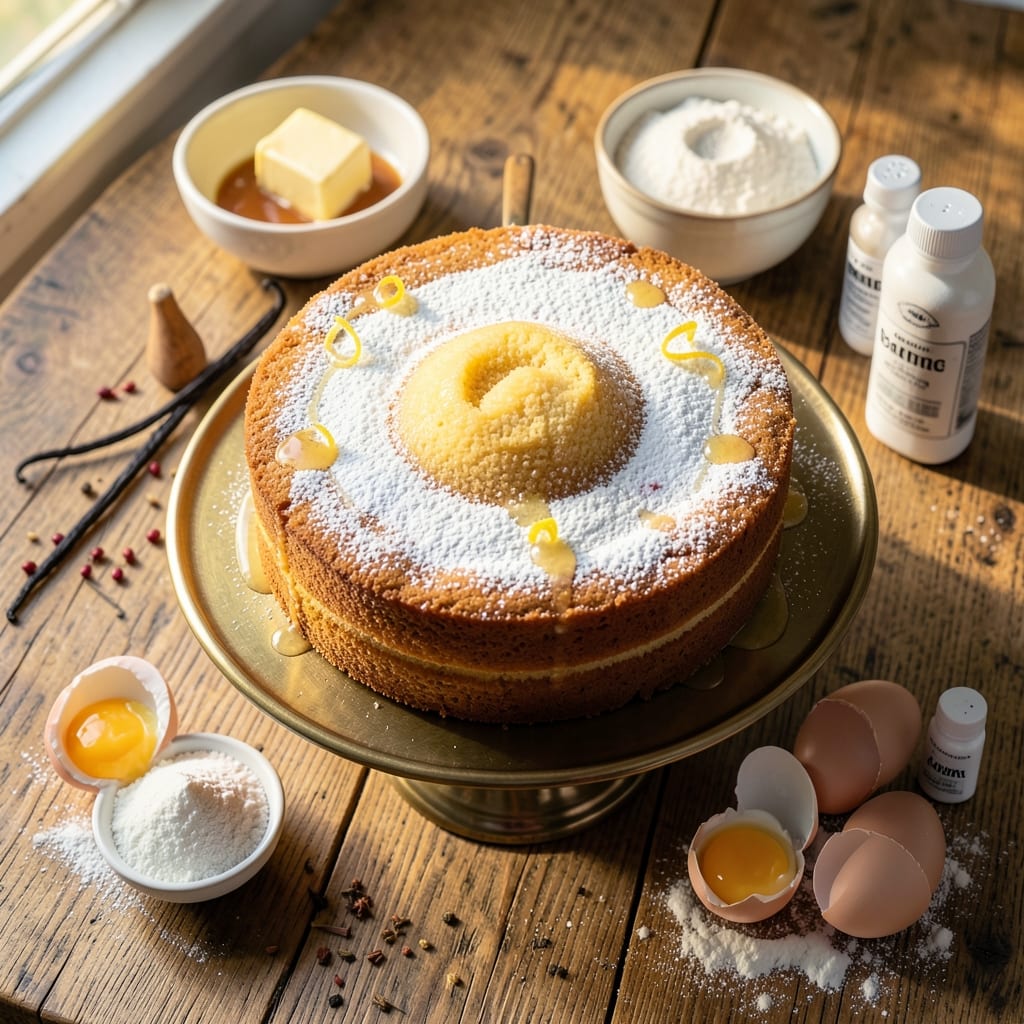
This 2lb sheet cake recipe delivers layers of buttery richness that stay moist for days—no dry crumbs in sight. The secret lies in precise ingredient ratios and gentle baking, ensuring every slice tastes fresh even after three days. I’ve perfected this method after years of testing, and it’s become my go-to for birthdays, celebrations, or just because. What sets this recipe apart is the foolproof technique that balances butter and sugar without overmixing, which keeps the texture tender. The cake bakes in a single sheet pan, making it perfect for parties or when you need a large dessert without the fuss of layering. The result? A golden, even-topped cake with a subtle crumb that’s impossible to resist. By the time it comes out of the oven, you’ll have a moist, flavorful base ready for your favorite frosting or glaze. Whether you’re covering it in vanilla buttercream or drizzling chocolate ganache, the cake’s structure holds up beautifully. The edges stay slightly crisp, while the center remains soft and inviting. This recipe scales easily for gatherings, and leftovers taste just as good the next day. Let’s get started—your next celebration (or snack) is about to get an upgrade.
Ingredients for 2lb cake
Buttery, tender layers that stay moist for days—just 12 simple ingredients.
| Ingredient | Amount | Notes |
|---|---|---|
| All-Purpose Flour 🌾 | 3 ½ cups | Sifted for light texture |
| Unsalted Butter 🧈 | 1 ½ cups | Room temperature, full-fat |
| Granulated Sugar 🍚 | 2 cups | White or light brown |
| Large Eggs 🥚 | 4 whole | Room temperature, separated |
| Vanilla Extract 🌸 | 2 tsp | Pure, high-quality |
| Baking Powder 🧂 | 1 ½ tsp | Diamond Crystal preferred |
| Salt 🧂 | ½ tsp | Fine sea salt |
| Whole Milk 🥛 | 1 cup | Room temperature |
| Cornstarch 🌾 | 1 tbsp | For extra moisture |
| Vegetable Oil 🫒 | ½ cup | Light, neutral flavor |
| Almond Extract 🌿 | ½ tsp | Optional, for depth |
| Powdered Sugar 🍚 | 1 cup | For dusting (optional) |
The butter is non-negotiable here—full-fat, room temperature is key for that rich, tender crumb. I always grab Land O’Lakes or Plugrá from the store, but if you're feeling fancy, European-style butter like President or Kerrygold takes it to the next level. The flour? King Arthur or Gold Medal are my go-tos—they’re consistent and reliable. For the eggs, separate them ahead of time and let them sit out for 30 minutes before mixing. That way, they whip up lighter and fluffier. The vanilla extract should be pure—Nestlé or McCormick are solid choices, but if you’ve got a fancy bottle, use it.
No vanilla extract? Vanilla bean paste at half the amount works in a pinch. Short on powdered sugar for dusting? Regular granulated sugar crushed in a food processor does the trick. The cornstarch is the secret weapon for moisture—don’t skip it. If you’re avoiding gluten, swap the all-purpose flour for a 1:1 gluten-free blend like Bob’s Red Mill, but add an extra 0.5 tsp of baking powder. The baking powder? Diamond Crystal measures differently than Rumford, so if your recipe calls for 1.5 tsp and you’re using Rumford, use 1 tsp instead. Trust me on this.
This cake keeps beautifully—3-4 days at room temperature wrapped in plastic, or up to 1 week in the fridge. For freezing, slice it first, wrap each piece tightly, and it’ll stay fresh for up to 3 months. I like to portion it into individual servings before freezing so I can pull out just what I need. The frosting or glaze goes on best when the cake is completely cool, but if you’re in a hurry, let it sit for at least 2 hours. Patience here makes all the difference—no one wants a soggy bottom.
Why You'll Love This Recipe
- No Mixer Needed: I swear by this recipe when my stand mixer’s on strike—just cream the butter and sugar with a wooden spoon until it’s light and fluffy. That simple step makes all the difference, and honestly? It’s just as good as anything from a machine.
- Butter-Sugar Magic: The ratio of butter to sugar here is chef’s kiss—rich, tender crumb that doesn’t turn into a brick after cooling. That vanilla extract? It’s not just a splash; it’s the secret to that warm, homey flavor that makes people ask, “What’s in this?”
- Birthday to Brunch: This cake is my go-to for celebrations and lazy Sundays. Split the batter between a round pan for a classic sheet cake or a loaf pan for quick slices—no stress, just cake. (Yes, even on a Tuesday night.)
- Leftovers That Win: Bake once, enjoy twice. This recipe keeps beautifully for days, whether you’re saving slices for school lunches or reheating them in the toaster for a cozy breakfast. Budget-friendly? Absolutely. But more importantly, it’s the kind of cake that disappears fast.
Step-by-step instructions for buttery sheet cake layers
Here's how to bake a rich, moist sheet cake that stays tender for days—no dry crumbs in sight.
Prepare Your Mixing Tools and Ingredients
Start by placing all your dry ingredients—3.5 cups all-purpose flour, 1.5 tsp baking powder, and 0.5 tsp salt—in a medium bowl. Sift them together to remove any lumps and aerate the flour for a lighter texture. In a separate large bowl, combine the 1.5 cups unsalted butter and 2 cups granulated sugar. I always use room temperature butter here because it mixes more smoothly and creates a velvety batter.
While the butter and sugar mix, let the 4 whole large eggs and 1 cup whole milk come to room temperature as well. Room temperature ingredients blend together more easily, preventing lumps in your batter. The 1 tbsp cornstarch and 0.5 cup vegetable oil can wait in your pantry—they'll be added later.
Cream Butter and Sugar to Light and Fluffy
Using an electric mixer on medium speed, beat the butter and sugar together for 3-5 minutes until the mixture becomes pale and fluffy. You'll know it's ready when it nearly doubles in volume and leaves a ribbon-like trail when the beaters are lifted. This creaming process incorporates air into the batter, which is crucial for that light, airy texture we're after.
Here's the thing—I've found that stopping too early can leave your cake dense. Keep mixing until the butter is completely emulsified with the sugar, and the mixture looks almost cloudy. This step makes all the difference in achieving that tender crumb.
Add Eggs and Extracts for Rich Flavor
Add the 4 whole large eggs, one at a time, mixing well after each addition. Then stir in the 2 tsp vanilla extract and 0.5 tsp almond extract (if using). The almond extract adds subtle depth that pairs beautifully with the vanilla. Mix on low speed just until combined—overmixing at this stage can develop gluten in the flour and make the cake tough.
After adding the eggs, the mixture might look slightly curdled, but don't worry. Once you incorporate the dry ingredients, everything will come together smoothly. This is where patience pays off—take your time to ensure each ingredient is fully incorporated before moving to the next step.
Combine Wet and Dry Ingredients Gently
With the mixer on low speed, gradually add the sifted dry ingredients to the wet mixture, mixing just until combined. Be careful not to overmix—you're looking for a smooth batter with no flour streaks remaining. Once the dry ingredients are incorporated, pour in the 1 cup whole milk and 0.5 cup vegetable oil, mixing just until smooth.
The batter should be thick but pourable. If it's too thick, you can add 1-2 tablespoons of milk to reach the perfect consistency. This step is where the magic happens—the combination of butter, oil, and milk creates that signature moist texture that keeps this cake tender for days.
Bake for Perfectly Moist Layers
Preheat your oven to 350°F and grease two 9x13-inch sheet pans thoroughly with butter or baking spray. Divide the batter evenly between the pans. For even baking, tap the pans gently on the counter to release any air bubbles that may have formed in the batter.
Bake for 25-30 minutes, or until a toothpick inserted in the center comes out clean. The edges should be golden brown, but the top might still look slightly underdone—that's okay, as the cake will continue cooking slightly after removal from the oven. Let the cakes cool in the pans for 10 minutes before transferring to a wire rack to cool completely.
Pro Tips For Making 2lb Cake
- Weigh Your Butter: I learned this the hard way—packing butter into measuring cups leaves air pockets that throw off the ratio. Use a kitchen scale for 225g (1 cup) of cold, cubed butter, then press it firmly into the bowl. No guessing, no dense cake.
- Room-Temp Eggs Matter: Cold eggs from the fridge won’t blend smoothly with butter and sugar, and they’ll create tunnels in your cake. Take them out 30 minutes before mixing—yes, even if you’re impatient like me. Room temperature is the difference between a crumbly mess and a tender crumb.
- Don’t Overmix the Batter: After burning three batches of cake, I finally figured out that overmixing develops gluten and turns your cake dense. Mix just until the flour disappears—about 20 seconds after that point. Stop when it looks like thick pancake batter, not dough.
- Use a Toothpick Twice: Stick a toothpick in the center when the cake’s been in the oven for 20 minutes. If it comes out with moist crumbs, bake 5 more minutes. If it’s clean but the edges are still soft, tent with foil and check again. This is how you avoid a raw center or overbaked crust.
Dietary considerations for these flavors
Gluten-Free Adaptation
To make this cake gluten-free, replace the 3.5 cups all-purpose flour with a 1:1 gluten-free blend like Bob’s Red Mill. Add an extra 0.5 tsp baking powder to ensure proper rise—gluten-free flours often need extra leavening. I’ve tested this with King Arthur gluten-free measure-for-measure flour and found it works beautifully. Just be sure to sift the blend thoroughly to avoid lumps in your batter. 🌾
Dairy-Free Substitutions
For a dairy-free version, swap the 1.5 cups unsalted butter for 1.5 cups dairy-free margarine (like Earth Balance) or 1.5 cups coconut oil (solid at room temperature). Replace the 1 cup whole milk with 1 cup unsweetened almond milk or oat milk. The cake will still be moist, though slightly denser. To keep it tender, add an extra 1 tbsp vegetable oil to compensate for the reduced fat content. 🥛
Egg-Free Option
If you’re avoiding eggs, replace the 4 whole large eggs with a flax egg substitute: mix 4 tbsp ground flaxseed with 10 tbsp water and let it sit for 5 minutes to thicken. This works well but may make the cake slightly denser. For extra moisture, add 2 tbsp applesauce to the batter. I’ve also had success using aquafaba (chickpea brine) whipped to stiff peaks as a substitute—use ¼ cup for each egg. 🥚
Lower-Sugar Version
To reduce sugar, replace 1 cup of the granulated sugar with 1 cup monk fruit sweetener or ½ cup honey. The cake will still be sweet but with fewer calories. If using honey, reduce the milk by 2 tbsp to account for its liquid content. For a lighter texture, add 1 tbsp baking powder to compensate for the reduced sugar’s leavening effect. The flavor stays rich, just less indulgent. 🍚
Nut-Free Modifications
If you’re avoiding nuts, skip the 0.5 tsp almond extract and replace it with 0.5 tsp lemon zest or an extra 0.5 tsp vanilla extract for depth. The cake won’t lose its richness—it’ll just have a slightly different flavor profile. For extra moisture, add 1 tbsp sour cream to the batter. I’ve also found that a pinch of cinnamon (about ¼ tsp) enhances the vanilla flavor beautifully. 🌿
Nutrition facts
Frequently asked questions
Can I bake this cake in a single 9x13-inch pan instead of two?
Yes, but you’ll need to adjust the baking time. A single pan will take 30-35 minutes instead of 25-30 minutes for two pans. The cake will be slightly thicker, so check for doneness at 28 minutes with a toothpick. For even baking, place the pan on the middle rack and rotate halfway through if your oven has hot spots.
Why does my cake turn out dense instead of light and fluffy?
Overmixing the batter is the #1 culprit! Stop folding in dry ingredients as soon as they're just combined—no flour streaks should remain. Also, ensure your butter and eggs are room temperature (not cold) and cream the butter/sugar until pale and fluffy (3-5 minutes). Underbaking can also cause density, so always check with a toothpick.
How do I prevent cracks or a domed top in my sheet cake?
Cracks often form when the oven gets too hot or the cake bakes too quickly. Lower your oven temp by 25°F (to 325°F) and bake for 5-10 minutes longer. For doming, avoid overfilling the pan—batter should be 1-1.5 inches deep. Tap the pan gently on the counter before baking to release air bubbles. A dark-colored pan can also cause doming, so use light-colored or glass pans.
Can I use this recipe for a bundt cake instead of sheet cake?
The same batter works perfectly for a bundt cake. Grease your bundt pan thoroughly and bake at 325°F for 45-55 minutes (check at 40 minutes). The lower temp prevents over-browning. For even baking, rotate the pan halfway through. The cornstarch in the recipe helps prevent sticking, but a light dusting of flour before pouring is still a good idea.
What's the best way to store leftovers to keep them moist?
Wrap the cake tightly in plastic wrap or aluminum foil, then place it in an airtight container. Store at room temperature for 3-4 days or refrigerate for up to 1 week. For longer storage, slice and freeze portions for up to 3 months. To revive stale cake, brush with simple syrup (equal parts water and sugar, heated until dissolved) or warm it briefly in a 300°F oven for 5-10 minutes covered with foil.