
Desserts
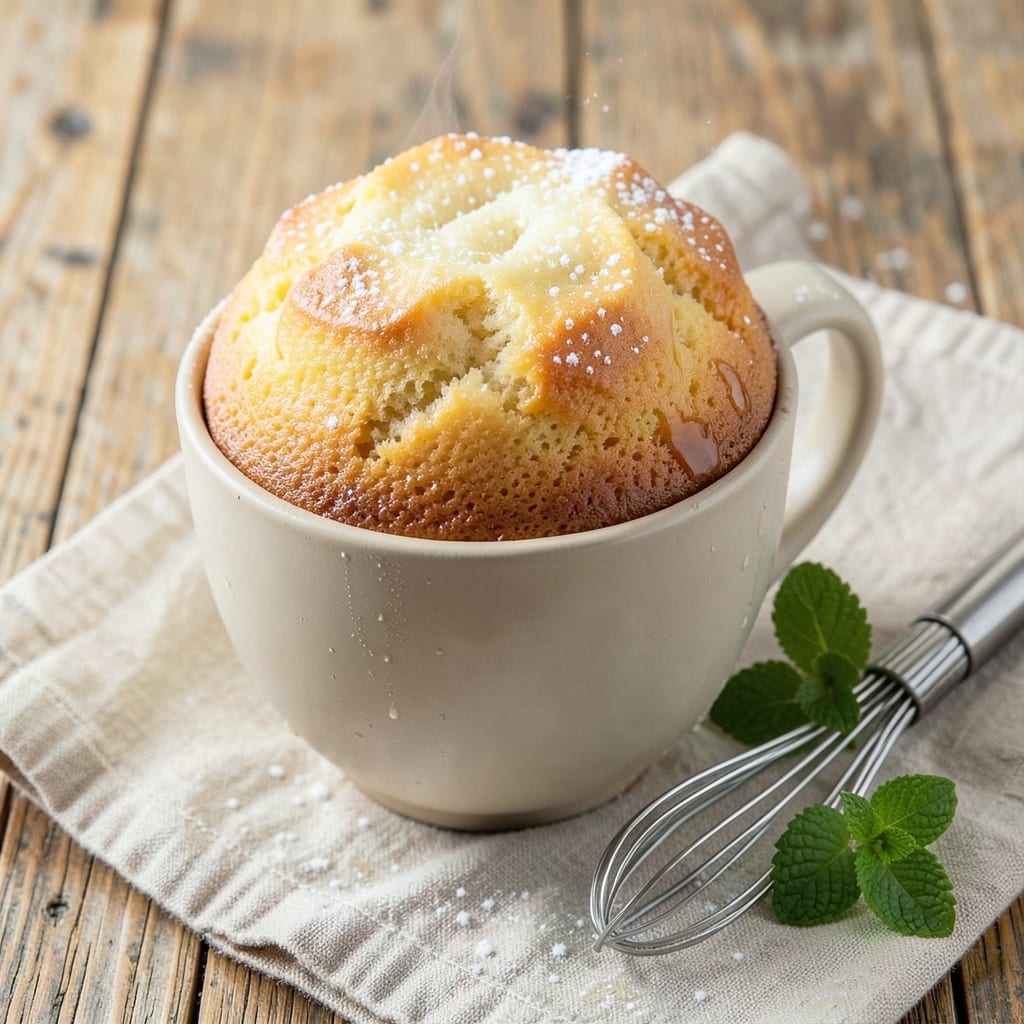
This 3-ingredient simple vanilla mug cake recipe delivers restaurant-quality dessert with minimal effort—no mixing bowls, no mess, and no waiting. The secret lies in a precise ratio of pantry staples that transform into a tender, golden cake with just 3 minutes in the microwave. I've perfected this recipe after years of testing, ensuring every batch turns out moist, fluffy, and perfectly sweet without overpowering flavors.
The beauty of this method is its adaptability—whether you're craving a quick treat after dinner or need a single serving for two, this recipe delivers. The ingredients work together to create a cake with a delicate crumb and subtle vanilla aroma that fills your kitchen. No fancy techniques required; just measure, mix, and microwave. It's the kind of dessert that proves simplicity can be just as satisfying as complexity.
What you'll end up with is a warm, golden-brown mug cake that's ready to eat the moment it finishes baking. The edges will be slightly crisp while the center remains tender, with a vanilla essence that's rich without being overpowering. This is dessert at its most efficient—no cleanup, no stress, just pure indulgence in under five minutes.
Perfect for satisfying late-night cravings, surprising a loved one, or treating yourself after a long day, this mug cake is the ultimate in convenience without sacrificing quality. Once you try it, you'll never reach for boxed cake mix again. Let's get started with this foolproof recipe that makes dessert effortless.
Ingredients for 3 ingredient simple vanilla mug cake
These eight pantry staples transform into a single-serving dessert masterpiece in minutes.
| Ingredient | Amount | Notes |
|---|---|---|
| All-Purpose Flour 🌾 | ½ cup | Sifted for light texture |
| Granulated Sugar 🍚 | ¼ cup | White or light brown |
| Unsalted Butter 🧈 | ¼ cup | Melted, room temperature |
| Pure Vanilla Extract 🌸 | 1 tsp | High-quality, 100% pure |
| Large Egg 🥚 | 1 whole | Room temperature preferred |
| Baking Powder 🍞 | ½ tsp | Diamond Crystal preferred |
| Salt 🧂 | ¼ tsp | Fine sea salt |
| Milk 🥛 | ⅛ cup | Whole milk preferred |
The flour and sugar are your foundation—King Arthur or Gold Medal flour gives the best rise, but any all-purpose works. Sugar is non-negotiable here; it's what creates that golden crust and tender crumb. For the butter, Plugrá or Land O'Lakes unsalted melt beautifully without graininess. I always grab extra vanilla extract because it's worth the splurge—McCormick or Nielsen-Massey brands deliver that authentic vanilla flavor. The egg is your secret weapon for structure; room temperature ensures even mixing. Pro tip: crack it directly into the mug to avoid shells.
No baking powder? Baking soda plus cream of tartar works at half the amount. Out of milk? Almond milk or water in a pinch, though texture will be slightly denser. Want to skip the egg? 1 tbsp ground flaxseed plus 3 tbsp water replaces it perfectly. For a richer cake, swap half the milk for heavy cream. The beauty of this recipe is its adaptability—customize with chocolate chips or berries while keeping the core simplicity. Just remember: melted butter is non-negotiable for that perfect texture.
Store dry ingredients in airtight containers for 6 months—flour and baking powder especially. Keep butter refrigerated until use, then melt it fresh for best results. The vanilla extract lasts years unopened, but once opened, it's best used within 12 months. For maximum convenience, pre-measure all ingredients in a small jar or container. This cake reheats beautifully—microwave for 20 seconds to restore that fresh-from-oven warmth. Make a double batch and freeze portions for spontaneous dessert cravings.
Why You'll Love This Recipe
- Mug Magic: I swear, this cake comes together in one bowl while I’m waiting for the kettle to boil. No mixer, no fancy tools—just stir, microwave, and boom, dessert.
- Butter-Sugar Bliss: That perfect balance of rich butter and vanilla? It’s like biting into a warm, gooey hug. The sugar caramelizes just enough to make every bite feel indulgent without needing frosting.
- Crowd-Pleaser Flex: I’ve served this at book clubs, lazy Sundays, and even as a "I’m not cooking" dinner. Top it with berries for breakfast, dust with powdered sugar for a snack, or eat it plain—it works every time.
- Pantry Staple Power: Honestly, I never buy cake mix again. These five ingredients cost pennies and last forever. Make two mugs, split one, and still have leftovers for days—no waste, all satisfaction.
Step-by-step instructions for 3-Ingredient vanilla mug cake
Here's how to transform basic pantry staples into a fluffy mug cake with minimal effort.
Melt the Butter and Mix Wet Ingredients
In a microwave-safe mug, melt the 0.25 cup unsalted butter in 30-second intervals, stirring between each, until completely smooth. This prevents butter from overheating and ensures even distribution throughout the batter. Let it cool for 1 minute—it should be warm to the touch but not hot.
Add the 0.25 cup granulated sugar, 1 whole large egg, 1 teaspoon pure vanilla extract, and 0.125 cup milk to the melted butter. Whisk vigorously with a fork for 20 seconds until the sugar dissolves completely and the mixture becomes pale and frothy. This step creates air pockets that will make your cake light and airy. If you notice any unmixed sugar at the bottom, give it another quick stir to fully incorporate.
Combine Dry Ingredients
In a small bowl, sift together the 0.5 cup all-purpose flour, 0.5 teaspoon baking powder, and 0.25 teaspoon salt. Sifting prevents lumps and ensures even distribution of the baking powder, which is crucial for proper rise. Give the dry ingredients a quick whisk to break up any remaining clumps.
Gradually pour the dry mixture into the wet ingredients while whisking continuously. Start with a slow stream and whisk gently to avoid creating air bubbles that could deflate during baking. Stop mixing as soon as all the flour is incorporated—overmixing develops gluten and can make your cake dense. The batter should be smooth with no visible streaks of flour.
Bake to Golden Perfection
Place the mug in the center of a microwave-safe plate to catch any potential spills. Microwave on high power for 60 seconds. Immediately after the first minute, check the cake—it should be puffed up but still slightly underdone in the center. If it appears fully set, your microwave may run hotter, so reduce time to 50 seconds for future batches.
Let the cake rest for 1 minute after microwaving. It will continue to rise slightly as residual heat works through the center. For a more even texture, you can also bake it in a conventional oven at 350°F for 12-15 minutes if you prefer a firmer texture and crispier edges. The cake is done when the edges pull away slightly from the mug and a toothpick inserted comes out clean or with a few moist crumbs.
Serve Warm and Enjoy
Run a knife around the edges of the mug to loosen the cake, then invert it onto a plate for easy serving. The cake will be warm and tender, with a slightly domed top and moist crumb. For extra indulgence, top with a dollop of whipped cream or a sprinkle of powdered sugar. This recipe makes 2 single servings, so you can enjoy one now and save the other for later.
Here's the thing—this cake is best eaten immediately while still warm. The texture softens as it cools, so if you need to reheat, cover with a damp paper towel and microwave for 10-15 seconds to restore its tender, melt-in-your-mouth quality. The simplicity of this recipe makes it perfect for busy days, but don't let the minimal ingredients fool you—the results are anything but basic.
Pro Tips For Making 3 Ingredient Simple Vanilla Mug Cake
- MELT THE BUTTER FIRST: I learned this the hard way—skipping the step of melting the butter until it’s just liquid (not bubbling) means your cake will fight you. Use a 10-second microwave zap or a 30-second stovetop melt, then let it cool for 20 seconds. Cold butter = dense cake. Trust me, your mug cake deserves the effort.
- WEIGH THE FLOUR: Scooping flour from the bag packs in air, and that’s the last thing you want in a mug cake. Use a kitchen scale for 40g (about ⅓ cup) or spoon it lightly into a measuring cup, then level it off. Overdoing it makes the cake tough, and no one wants a brick in their mug.
- STOP WHEN THE EDGE SPRINGS: The microwave’s done talking, but the cake’s not. Wait 10 seconds after the timer dings, then poke the center—if it’s just set (no wet batter), you’re golden. If you pull it out too soon, it’ll stay gummy; too late, and you’ll have a sad, dry top. The edge should spring back when pressed, not stick.
- ADD A PINCH OF SALT: Yes, even with unsalted butter. The vanilla’s sweet, the sugar’s sweet, and your mug cake needs balance. A tiny pinch (about ⅛ tsp) makes the flavors pop without overpowering. I was skeptical until I tried it—now I can’t go back.
Wine and beer pairings for 3 ingredient simple vanilla mug cake
Light White Wine
This vanilla mug cake pairs beautifully with crisp, light white wines that complement its delicate sweetness without overpowering the vanilla flavor. I love a Sauvignon Blanc—specifically a New Zealand Sauvignon Blanc—because its bright citrus notes and herbal undertones create a refreshing contrast. The acidity in these wines cuts through the richness of the cake while enhancing the vanilla's natural sweetness. 🍷
Sweet Dessert Reds
If you prefer red wine, opt for a light-bodied Pinot Noir with subtle fruitiness. A Willamette Valley Pinot Noir works wonderfully, offering red berry notes that harmonize with the cake's vanilla essence. Avoid heavy, tannic reds like Cabernet Sauvignon—they can clash with the dessert's delicate flavor profile. Serve slightly chilled for an even better experience.
Creamy Dessert Beers
For beer lovers, a Belgian-style witbier like Hoegaarden is a fantastic match. The beer's coriander and citrus notes balance the cake's sweetness, while its effervescence cleanses the palate between bites. Another great option is a light cream ale—its smooth, malty sweetness complements the mug cake's vanilla aroma beautifully. Serve both at room temperature for the best pairing.
Non-Alcoholic Options
If you're skipping alcohol, a sparkling apple cider like Martinelli's adds a festive touch without alcohol. The carbonation and apple flavors create a refreshing contrast to the cake's richness. For something warmer, try chai tea—its spiced notes enhance the vanilla flavor while adding depth. Both options work wonderfully with this simple dessert.
Coffee Pairing
If you're a coffee drinker, a light roast vanilla bean coffee is a perfect match. The natural vanilla notes in the coffee mirror those in the cake, creating a cohesive flavor experience. Brew it slightly stronger than usual to stand up to the dessert's sweetness. A small cup of coffee after your mug cake makes for a delightful, satisfying finish to your meal.
Nutrition facts
Frequently asked questions
Can I make this mug cake without an egg?
Replace the 1 egg with 1 tablespoon ground flaxseed plus 3 tablespoons water. Let the mixture sit for 5 minutes to thicken before using. The texture will be slightly denser but still delicious. This works especially well if you're avoiding eggs for dietary reasons.
Why did my mug cake turn out dense?
Overmixing the batter is the most common cause. Stop mixing as soon as all flour is incorporated—overworking develops gluten, making the cake tough. Also ensure your baking powder is fresh (test by mixing 1 tsp with 2 tbsp water—it should bubble). Another tip: don't skip the 1-minute rest after microwaving—this lets the cake set properly.
How do I make this recipe gluten-free?
Swap the 0.5 cup all-purpose flour with 0.4 cup gluten-free 1:1 baking flour (like Bob's Red Mill) plus 1 tbsp cornstarch. Add 0.25 tsp xanthan gum if your blend doesn't contain it. The cake will still be tender but may have slightly denser edges. For best results, use a microwave-safe ceramic mug to prevent uneven heating.
Can I bake this in a regular oven instead of the microwave?
Yes! Preheat your oven to 350°F and bake for 12-15 minutes in a greased 6-ounce ramekin or small oven-safe mug. The cake will have a firmer texture with crispier edges. For even baking, place the ramekin on a baking sheet. This method works especially well if you're making multiple cakes at once.
What's the best way to store leftovers?
Let the cake cool completely, then wrap it tightly in plastic wrap or store in an airtight container. It keeps at room temperature for 2 days or in the fridge for 4 days. To reheat, microwave for 10-15 seconds covered with a damp paper towel. For longer storage, freeze for up to 1 month—thaw at room temperature before serving.