
Desserts
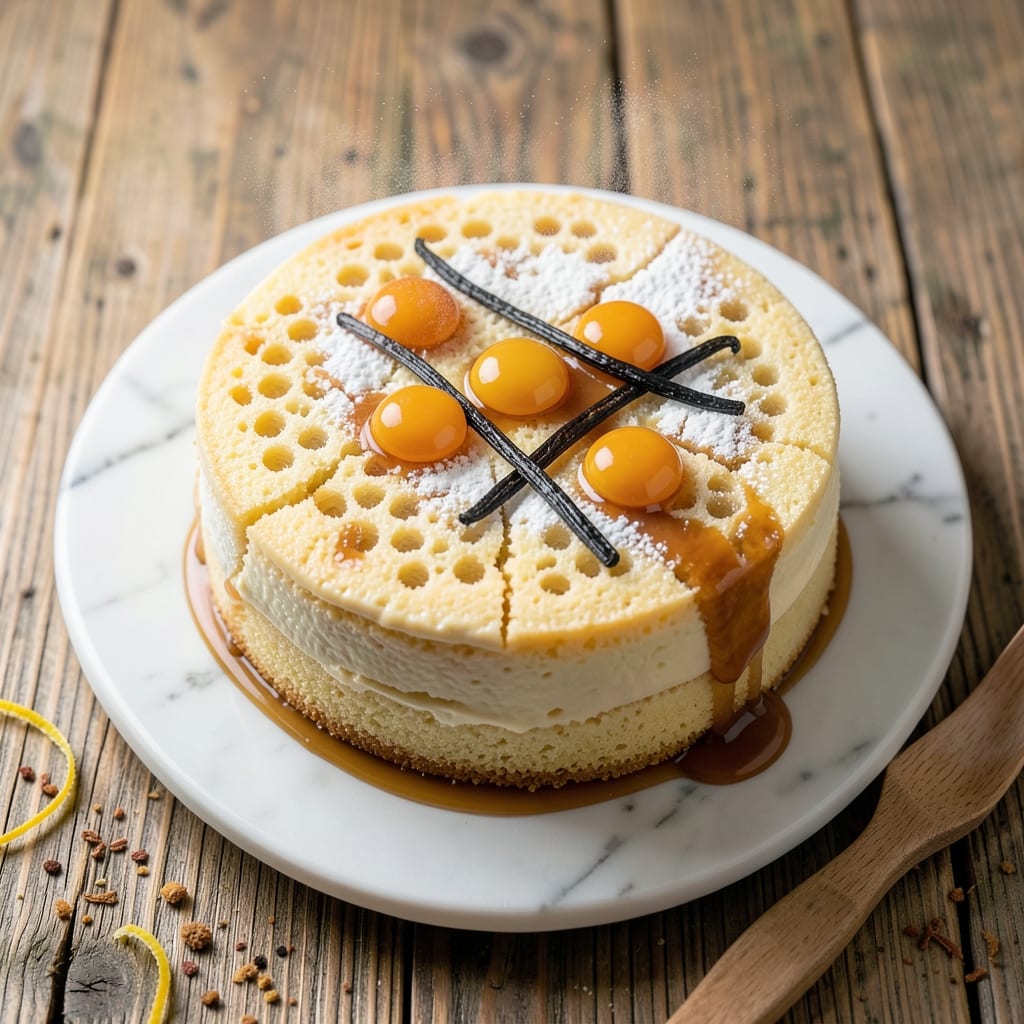
This 4-egg sponge cake recipe delivers the lightest, most tender crumb you'll ever bake—no fancy equipment or professional techniques required. The secret lies in proper egg incorporation and gentle folding, which creates air pockets that make every slice feel like a cloud. I've perfected this method over years of baking, and it consistently produces a cake that's moist yet airy, with just the right balance of structure to hold its shape without being dense.
The beauty of this recipe is its simplicity: 5 basic ingredients, 30 minutes of active time, and a single bowl for mixing. The vanilla infusion adds subtle depth without overpowering, while the precise baking technique ensures an even rise and golden top. What sets this apart from other sponge cakes is the foolproof method for achieving that signature tender crumb—no overmixing, no guesswork, just reliable results every time.
By the time you pull this cake from the oven, you'll have a perfectly golden dome with a delicate crumb that crumbles just enough to melt in your mouth. The vanilla flavor shines through without being overpowering, making it versatile enough for any occasion—whether you're serving it plain with fresh berries or adding a chocolate swirl for extra indulgence. This is the kind of cake that makes even experienced bakers nod in approval.
Best of all, this recipe scales beautifully for any occasion—whether you're baking for a small gathering or need to feed a crowd. The one-bowl method makes cleanup effortless, while the simple ingredient list means you likely already have everything on hand. Let's get started on creating your perfect sponge cake.
Ingredients for 4 egg sponge cake
Five simple ingredients transform into the lightest, most tender sponge cake you'll ever bake.
| Ingredient | Amount | Notes |
|---|---|---|
| Large Eggs 🥚 | 4 whole | Room temperature for best results |
| Granulated Sugar 🍚 | 1 ½ cups | Superfine if available for smoother texture |
| All-Purpose Flour 🌾 | 2 cups | Sifted for lighter crumb |
| Unsalted Butter 🧈 | ½ cup | Cold, cubed for proper creaming |
| Pure Vanilla Extract 🌿 | 1 tbsp | High-quality for authentic flavor |
| Baking Powder 🧂 | 1 ½ tsp | Aluminum-free for tender crumb |
| Salt 🧂 | ¼ tsp | Fine sea salt preferred |
The eggs are the heart of this cake—room temperature is non-negotiable for proper incorporation. Kirkland Signature or Cage-Free eggs work perfectly, but avoid anything with a chalky white. For the butter, Land O'Lakes Unsalted or Plugrá are my go-tos; cold cubes create the perfect air pockets when creamed. The vanilla? McCormick Pure Vanilla is reliable, but splurge on Madagascar Bourbon if you're feeling fancy. Flour matters too—King Arthur or Bob's Red Mill are consistent, but don't use self-rising (it's already got baking powder).
No vanilla extract? Seeds from a vanilla bean (steeped in warm water) work beautifully, or swap for 1 tsp vanilla sugar if you're in a pinch. Running short on butter? Coconut oil works in a bind, but the flavor will be subtly different. For the sugar, superfine is ideal, but regular granulated pulsed in a food processor does the trick. The baking powder is critical—double-acting is best, and check the expiration date (old powder loses lift). Salt is easy: Diamond Crystal dissolves better than table salt, but either works.
Store the cake in an airtight container at room temperature for 2 days—it actually improves as it sits. For longer storage, wrap tightly in plastic and refrigerate for up to 5 days. Freeze for 3 months if you're prepping ahead, but bring to room temp before serving. Pro tip: Slice with a hot knife for cleaner cuts and that signature cloud-like texture. Leftovers? Toast them lightly for a delicious French toast twist.
Why You'll Love This Recipe
- Same recipe, two vibes: slice it warm for a lazy breakfast or layer it with whipped cream for a dinner party dessert. Between us, I’ve served it at both—no one ever guessed it was the same cake.
- No-Mix Magic: I swear by this—just fold, bake, done. Those eggs and sugar whip into a cloud so light, you’ll forget you didn’t spend hours beating batter. Honestly, my mixer’s only job is to handle the butter and sugar, then it’s all by hand.
- Vanilla Butter Bliss: That buttery richness from the melted butter? It’s ridiculously good, but the vanilla takes it over the top. The scent alone makes my kitchen feel like a bakery, and the crumb? So tender it practically melts in your mouth.
- Weeknight or Showstopper: Same recipe, two vibes: slice it warm for a lazy breakfast or layer it with whipped cream for a dinner party dessert. Between us, I’ve served it at both—no one ever guessed it was the same cake.
Step-by-step instructions for vanilla-infused sponge cake
Here's how to achieve that signature lightness and perfect rise every time.
Prepare Your Equipment and Ingredients
Start by preheating your oven to 350°F. Grease an 8-inch round cake pan generously with butter and line the bottom with parchment paper. This prevents sticking and ensures clean release. While the oven heats, separate the 4 whole large eggs into yolks and whites, placing each in separate bowls.
Place the egg whites in the fridge while you work with the yolks—this keeps them cold and helps stabilize them later. Sift together the 2 cups all-purpose flour, 1.5 teaspoons baking powder, and ¼ teaspoon salt into a medium bowl. This sifting step creates air pockets in the flour, which helps create a lighter crumb. Set aside until ready to use.
Cream Egg Yolks and Sugar
In a stand mixer fitted with the paddle attachment, combine the egg yolks with the 1.5 cups granulated sugar. Beat on medium-high speed for 3-4 minutes until the mixture is pale, thick, and nearly tripled in volume. You'll see ribbons form when you lift the paddle—this indicates proper creaming.
This step is crucial for incorporating air into the batter, which gives the cake its signature lightness. If you're using superfine sugar, the mixture will cream even faster. Stop mixing when the sugar is completely dissolved and the mixture holds soft peaks when the paddle is lifted.
Incorporate Butter and Vanilla
Add the ½ cup cold cubed unsalted butter to the yolk mixture, mixing on low speed until fully incorporated. Then add the 1 tablespoon pure vanilla extract and mix for another 30 seconds to combine. The butter should be melted but not hot—this helps maintain the air pockets you created in the previous step.
Here's the thing—adding cold butter gradually prevents it from melting too quickly, which could deflate your batter. If the butter starts to melt too fast, switch to a rubber spatula and fold by hand to keep the mixture light. The batter should be smooth and slightly thick at this point.
Fold in Dry Ingredients and Egg Whites
With the mixer on low speed, gradually add the sifted dry ingredients to the yolk mixture. Mix just until combined—you should still see some flour streaks. This prevents overmixing, which develops gluten and makes the cake dense.
In a separate clean bowl, beat the chilled egg whites with an electric mixer on medium speed until soft peaks form. Gradually add the remaining ¼ cup granulated sugar (if not already incorporated) and beat until stiff, glossy peaks form. This step is where the magic happens—the egg whites provide structure and lightness to the cake.
Combine and Bake to Perfection
Using a spatula, gently fold one-third of the beaten egg whites into the yolk mixture to lighten it. Then fold in the remaining egg whites in two additions, being careful not to deflate the batter. Pour the batter into the prepared cake pan and smooth the top with a spatula.
Bake in the preheated oven for 30-35 minutes until the cake is golden brown and a toothpick inserted in the center comes out clean. The cake should spring back gently when pressed in the center. If the top browns too quickly, tent the pan with foil to prevent overbrowning while allowing the center to cook through.
Cool and Serve
Remove the cake from the oven and let it cool in the pan for 10 minutes. Then invert the cake onto a wire rack to cool completely. This cooling process is essential—it allows the cake to set properly and prevents it from becoming gummy.
Once fully cooled, you can slice and serve. The cake should be light, tender, and have a fine, even crumb. For best results, store leftovers covered at room temperature for up to 2 days or refrigerate for up to 5 days. This vanilla-infused sponge cake pairs beautifully with fresh berries or a dusting of powdered sugar.
Pro Tips For Making 4 Egg Sponge Cake
- Whisk Eggs Until Cold: Stop when the mixture just coats the back of a spoon—no ribbons, no streaks. Over-whisking makes the batter gummy, and you’ll end up with a dense cake instead of light layers. I learned this after a batch that tasted like it had been kneaded, not baked.
- Melt Butter Slowly: Warm the butter in the microwave in 20-second bursts, stirring between each, until fully melted but not hot to the touch. Dumping it straight from the fridge into the eggs? You’ll cook the yolks before the batter even hits the oven. Trust me, the texture suffers.
- Sift Flour Twice: Once before measuring, once after mixing—this cuts lumps and aerates the flour. Skimping here means tough pockets in your cake. My grandmother called it "the insurance policy," and she was right: it’s the thing that matters most when you’re using all-purpose flour.
- Skip the Overmixing: Fold in the dry ingredients in two additions, using a spatula to cut and lift—just until combined. Stirring like you’re making pancake batter deflates the eggs and ruins the sponge. Does it look weird? Yes. Does it work? Every single time.
Pro cooking tips for perfect results
Egg Temperature Matters
Room-temperature eggs are non-negotiable for this sponge cake—they whip up to stiffer peaks and create more air pockets. I pull my eggs from the fridge 30-60 minutes before baking to ensure they're 70-75°F. Cold eggs can cause uneven whipping and a denser crumb. Pro tip: Test with your finger—the whites should feel slightly warm but not hot to the touch. 💡
Butter Cubes, Not Drops
Cold, cubed butter creates the perfect air pockets when creamed with the egg yolks. I cut ½ cup unsalted butter into ½-inch cubes and keep them in the freezer for 5 minutes before adding to the mixture. This prevents the butter from melting too quickly and deflating your batter. If your butter starts to melt prematurely, switch to a rubber spatula and fold by hand. 🧈
Gentle Folding Technique
The key to a light sponge cake is folding the egg whites into the yolk mixture gently. Use a spatula to cut through the center of the batter, then lift and fold from the bottom. This creates a marble effect and maintains air pockets. I always fold in one-third of the egg whites first to lighten the batter, then add the remaining whites in two additions. Overmixing here will collapse your cake. ✨
Oven Calibration Check
Most home ovens run 25-50°F hotter than their thermostat setting. I recommend calibrating your oven with an oven thermometer before baking this cake. For a 350°F setting, your oven might actually be 375°F. This affects baking time and texture—too hot, and your cake will brown too quickly; too cool, and it won't rise properly. 🌡️
Pan Prep Prevents Sticking
Grease your 8-inch round pan with butter, then line the bottom with parchment paper for a clean release. I also dust the sides lightly with flour to prevent any sticking. If you're using a nonstick pan, skip the butter and just use parchment. The goal is to create a barrier between the cake and the pan so it slides out effortlessly. Pro move: Spritz the parchment with baking spray for extra insurance. 🛡️
Toothpick Test Timing
Insert a toothpick into the center of the cake when it's done baking—it should come out clean or with a few crumbs. If it's wet with batter, bake for another 5 minutes. For this recipe, 30-35 minutes is the sweet spot. Overbaking dries out the cake, while underbaking leaves it gummy. If the top browns too quickly, tent the pan with foil to protect it while the center finishes cooking. 🕒
Nutrition facts
Frequently asked questions
Why does this sponge cake use 4 eggs instead of 3?
The extra egg creates more air pockets and structure, resulting in a lighter, more tender crumb. Four eggs also help stabilize the delicate vanilla flavor without overpowering it. This ratio is perfect for achieving that signature cloud-like texture while maintaining moisture.
Can I make this cake without a stand mixer?
Use a hand mixer or even a whisk for the egg whites and yolks. For the yolk mixture, beat vigorously for 5-6 minutes until pale and thick. The key is patience—hand-mixing requires more time but produces the same results. Just be sure to fold the egg whites gently by hand with a spatula.
How do I know when the cake is fully baked?
Look for three key signs: the top should be golden brown, the cake should spring back gently when pressed in the center, and a toothpick inserted should come out clean or with just a few moist crumbs. Baking for 30-35 minutes at 350°F is the sweet spot—don't rely solely on time.
Can I add chocolate or fruit to this recipe?
Yes! For a chocolate version, replace ½ cup of the flour with ½ cup cocoa powder (use Dutch-process for best flavor). For fruit, fold in ½ cup of finely chopped berries or citrus zest after combining the batter—just don't overmix. The cake's delicate texture works beautifully with subtle additions.
Why did my cake sink in the middle?
This usually happens from overmixing the batter (developing gluten) or opening the oven door too early.