
Desserts
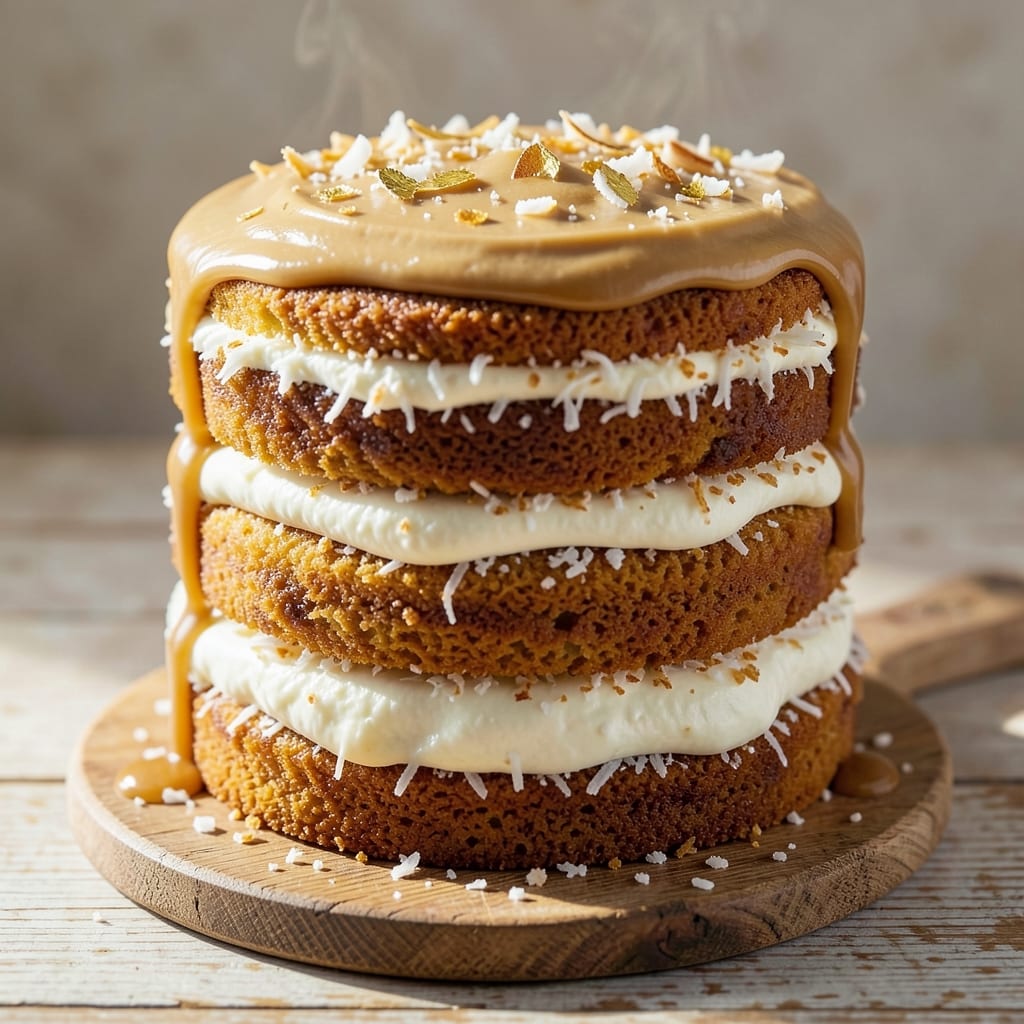
A 4-layer coconut cake delivers the perfect balance of velvety moisture and toasted coconut crunch that will impress even the most discerning dessert lovers. This recipe combines light, airy cake layers with a rich coconut cream filling and a signature toasted coconut topping that adds irresistible texture. The secret lies in precise layering techniques and a foolproof baking method that ensures each slice is perfectly moist and flavorful.
The cake itself is made with a simple yet effective batter that incorporates shredded coconut into every layer, creating a subtle but consistent tropical flavor throughout. Between each layer, a luscious coconut cream frosting binds everything together, while the toasted coconut topping provides the perfect contrast in texture and aroma. What sets this recipe apart is the attention to detail—from baking times to cooling periods—ensuring a cake that stays moist for days.
By the time you're done assembling, you'll have a stunning dessert that's as beautiful as it is delicious. The layers are perfectly aligned, the frosting is smooth and creamy, and the toasted coconut topping adds a golden, crunchy finish that makes every bite unforgettable. This cake is ideal for special occasions, holiday gatherings, or simply treating yourself to something truly extraordinary.
Ready to bake? The process is straightforward, but the results are anything but ordinary. Let's get started on creating a cake that will have everyone asking for seconds—and the recipe to match.
Ingredients for 4 layer coconut cake
Four layers of velvety cake, tropical flavors, and precise techniques for a showstopping dessert.
| Ingredient | Amount | Notes |
|---|---|---|
| All-Purpose Flour 🌾 | 4 cups | Sifted for light texture |
| Granulated Sugar 🍚 | 2 ½ cups | Divided for layers and frosting |
| Unsweetened Shredded Coconut 🥥 | 2 ½ cups | Toasted for enhanced flavor |
| Unsalted Butter 🧈 | 2 cups | Room temperature for creaming |
| Large Eggs 🥚 | 8 whole | Room temperature for best results |
| Vanilla Extract 🌿 | 2 tbsp | Pure extract preferred |
| Baking Powder 🧂 | 2 tbsp | Freshly opened for best rise |
| Salt 🧂 | 1 ½ tsp | Fine sea salt preferred |
| Coconut Milk 🥥 | 13 ½ oz | Full-fat for creaminess |
| Heavy Cream 🥛 | 2 cups | Cold for whipped topping |
| Powdered Sugar 🍚 | 3 cups | Sifted for smooth frosting |
| Cornstarch 🌾 | 1 tbsp | For stable coconut cream |
The shredded coconut is where the magic happens. Unsweetened, fine shreds work best—Trader Joe's or Bob's Red Mill brands stay consistent. Toast it in a dry pan for 5-7 minutes until golden and fragrant (that nutty aroma is non-negotiable). The butter needs to be room temperature—press it between paper towels for 10 minutes if it's cold. For the coconut milk, Aroy-D or Thai Kitchen cans give the richest cream when opened. The baking powder must be fresh: if it's been sitting in your pantry for months, the rise will suffer.
No vanilla extract? Vanilla bean paste works in a pinch, or scrape seeds from a pod. The eggs should be large—medium eggs will make the cake slightly denser. For a dairy-free version, swap the butter for vegan butter and use coconut cream instead of heavy cream (though texture will differ). The powdered sugar can be substituted with confectioners' sugar—just sift it well to avoid lumps. If you're short on time, the cake layers can be baked the day before and stored in the fridge, saving you assembly stress later.
Store the assembled cake in an airtight container at room temperature for up to 3 days—the flavors deepen overnight. For longer storage, 2 weeks in the fridge or 3 months frozen (wrap tightly in plastic). The toasted coconut topping stays crisp for about 24 hours before softening—enjoy it fresh! To reheat slices, microwave for 10-12 seconds to restore the crunch. This cake is worth the effort: every slice reveals that perfect balance of moist cake, creamy filling, and crunchy topping.
Why You'll Love This Recipe
- No Fuss Layers: I swear by this method—just mix, bake, repeat. The secret’s in the alternating coconut cream and crunch layers, but honestly? You’ll nail it the first time. No piping bags, no stress.
- Tropical in Every Bite: That first forkful of buttery coconut cream? Then the shredded coconut’s crunch—it’s like a vacation in your mouth. The sugar caramelizes just enough to make it dangerously addictive.
- Birthday or Boredom: This cake’s my go-to for celebrations and lazy Sundays. The layers hold up perfectly for slicing, so I’ve served it at parties and eaten it straight from the fridge when I needed a pick-me-up.
- Leftovers That Win: The coconut stays fresh for days, and the butter keeps it moist. I’ll be real: my coworkers keep asking for seconds because it’s that good—no sad, dry cake here. Plus, half the ingredients are pantry staples.
Step-by-step instructions for 4 layer coconut cake
This method delivers velvety layers and that signature toasted coconut crunch every time.
Prepare the Cake Layers and Toast the Coconut
Preheat your oven to 350°F. In a large mixing bowl, combine the 4 cups all-purpose flour, 1.5 tsp salt, and 2 tbsp baking powder. Sift this dry mixture together to remove any lumps and aerate the flour for a lighter texture. Set aside.
In a separate large bowl, cream together the 2 cups unsalted butter (room temperature) and 1.25 cups granulated sugar until light and fluffy, about 3-4 minutes using an electric mixer. Add the 8 whole large eggs, one at a time, mixing well after each addition. The mixture should nearly double in volume and become pale yellow.
In a small skillet over medium-low heat, toast the 2.5 cups unsweetened shredded coconut for 5-7 minutes, stirring constantly, until golden brown and fragrant. Remove from heat and set aside to cool slightly. This toasted coconut will form the crunchy topping on each layer.
Bake the Cake Layers
Divide the dry flour mixture evenly between four 6-inch round cake pans (about 1 cup per pan). Alternate adding the dry mixture to the creamed butter mixture, beginning and ending with the dry ingredients. Mix just until combined—do not overmix. The batter should be thick but smooth.
Divide the batter evenly among the four prepared pans, filling each about ⅔ full. Sprinkle ⅓ cup toasted coconut evenly over each batter layer. Bake for 20-25 minutes or until a toothpick inserted into the center comes out clean. Rotate the pans halfway through baking for even cooking.
Allow the cakes to cool in their pans for 10 minutes before transferring to a wire rack to cool completely. This gradual cooling prevents cracking and maintains moisture. Once fully cooled, carefully remove the cakes from the pans using a thin spatula or offset knife.
Prepare the Coconut Cream Filling and Frosting
In a medium saucepan, combine the 13.5 oz coconut milk and 1 tbsp cornstarch. Whisk over medium heat until the mixture thickens and begins to bubble, about 5-7 minutes. Remove from heat and let it cool to room temperature. This will form the creamy filling between layers.
In a separate bowl, whip the 2 cups heavy cream (cold) to soft peaks using a hand mixer. Gradually add the 3 cups powdered sugar and the remaining 1.25 cups granulated sugar, continuing to whip until stiff peaks form. Fold in the cooled coconut cream mixture until fully combined. This will create the luscious frosting for the cake.
Assemble the Cake Layers
Place the first cake layer on a cake stand or plate. Spread a generous layer of the coconut cream filling over the top, leaving a ½-inch border around the edges. Sprinkle ⅓ cup toasted coconut evenly over the filling. Repeat this process with the remaining three layers, stacking them carefully.
Once all layers are stacked, spread the remaining coconut cream frosting evenly over the top and sides of the cake using an offset spatula. For a smooth finish, use a bench scraper to create clean edges. Chill the cake in the refrigerator for at least 2 hours before serving to allow the filling to set and the flavors to meld.
Serve and Enjoy
Slice the cake using a sharp, hot knife (dip the knife in hot water and wipe dry between slices) for clean cuts. Each slice should reveal layers of moist cake, creamy coconut filling, and crunchy toasted coconut. Serve at room temperature for the best texture and flavor balance.
The cake will keep well in the refrigerator for up to 5 days, covered tightly with plastic wrap. For a firmer texture, allow it to sit at room temperature for 15-20 minutes before serving. This cake is best enjoyed within 24 hours of assembly for maximum moisture and flavor.
Pro Tips For Making 4 Layer Coconut Cake
- Toast the Coconut: Spread shredded coconut on a baking sheet and bake at 300°F (150°C) for 8-10 minutes before mixing it into your batter. This removes excess moisture and gives the cake’s layers that nutty, caramelized depth—trust me, the difference in texture is noticeable, especially in the final coconut layer.
- Whip Butter Until Pale: Beat your unsalted butter and sugar together until the mixture turns a light, almost translucent color. I used to stop at fluffy, but this extra step adds air and a smoother crumb—critical for that tender, melt-in-your-mouth texture in every layer.
- Chill Layers Between Bakes: Let each layer cool completely on a wire rack, then refrigerate for 20 minutes before adding the next. Skipping this leads to soggy layers when you stack them—your cake will hold its shape and stay crisp, not gummy.
- Use Room-Temp Eggs: Take eggs out of the fridge 30 minutes before whipping them into the batter. Cold eggs create air pockets that collapse when baked, leading to dense layers. Room-temp eggs incorporate smoothly and help the cake rise evenly—no one wants a cake that’s heavy at the bottom.
Perfect pairings for 4 layer coconut cake
Tropical Drink Pairings
Start with a piña colada—the classic tropical drink that mirrors the cake's coconut essence. I recommend mixing 2 oz white rum, 2 oz coconut cream, and 3 oz pineapple juice in a blender with ice. The creamy texture and sweetness complement the cake's richness perfectly. For a non-alcoholic option, try a coconut mango smoothie with blended mango, coconut milk, and a touch of honey. 🍹
Coffee and Tea Complements
For a warm pairing, serve the cake with espresso or dark roast coffee—the bitterness cuts through the sweetness beautifully. A vanilla chai latte with steamed milk also works wonderfully, as the warm spices enhance the coconut flavors. If you prefer tea, a jasmine green tea with a splash of lemon adds a refreshing contrast to the cake's richness.
Fruit-Based Garnishes
Top each slice with fresh mango slices or passion fruit pulp to add a tangy, vibrant contrast. I also love adding a sprinkle of toasted macadamia nuts for extra crunch and richness. These garnishes not only enhance the visual appeal but also elevate the flavor profile with their natural sweetness and texture. 🍈
Dessert Wine Pairings
A Moscato d'Asti is my go-to wine pairing—its light sweetness and effervescence balance the cake's coconut and sugar perfectly. For a drier option, try a Sauternes or Muscat de Beaumes-de-Venise, which have honeyed notes that harmonize beautifully with the toasted coconut topping. These wines add a sophisticated touch to your dessert experience.
Seasonal Variations
In summer, serve the cake with a coconut sorbet on the side to refresh the palate between bites. For a winter twist, pair it with a spiced rum cocktail—mix 1.5 oz dark rum, 1 oz coconut cream, and a dash of cinnamon. The warm spices add a cozy contrast to the cake's tropical flavors, making it perfect for holiday gatherings. ❄️
Nutrition facts
Frequently asked questions
Can I substitute regular flour for the all-purpose flour in this recipe?
You can use regular flour, but your cake layers may be slightly denser. For best results, use 1:1 substitution of all-purpose flour. If you're using cake flour, reduce the amount by 2 tablespoons per cup since it's more finely milled and absorbs less liquid. The key is maintaining the light, airy texture that makes this cake special.
How do I prevent my cake layers from cracking when baking?
Cracking usually happens when the cake cools too quickly. Let the layers cool in their pans for 10 minutes before removing, then transfer to a wire rack to cool completely. Avoid opening the oven door too soon, and don't overbake—remove the cakes when a toothpick comes out clean but with a few moist crumbs. A water bath can also help maintain moisture and prevent cracks.
What's the best way to make the coconut cream filling extra rich?
For ultra-rich filling, replace ½ cup of the coconut milk with heavy cream or coconut cream (the thick part from a can of coconut milk). You can also add 1 teaspoon of coconut extract for deeper flavor. Whisk in 1 tablespoon of toasted coconut flakes at the end for extra texture. Chill the filling for 30 minutes before using to ensure it's thick and stable.
Can I make this cake ahead of time?
Bake the cake layers 1-2 days ahead and store them in an airtight container at room temperature. Assemble the cake up to 24 hours before serving. For longer storage, freeze the assembled cake (without the toasted coconut topping) for up to 3 months. Thaw overnight in the fridge before serving. The flavors actually improve with time!
Why does my toasted coconut smell burnt instead of nutty?
Toasted coconut should smell sweet and nutty, not burnt. This happens when it's overcooked or overheated. Use medium-low heat and stir constantly for 5-7 minutes. If it starts to smell burnt, remove it immediately—it can recover if you stop toasting right away. For best results, toast in small batches to maintain control over the heat.