
Desserts
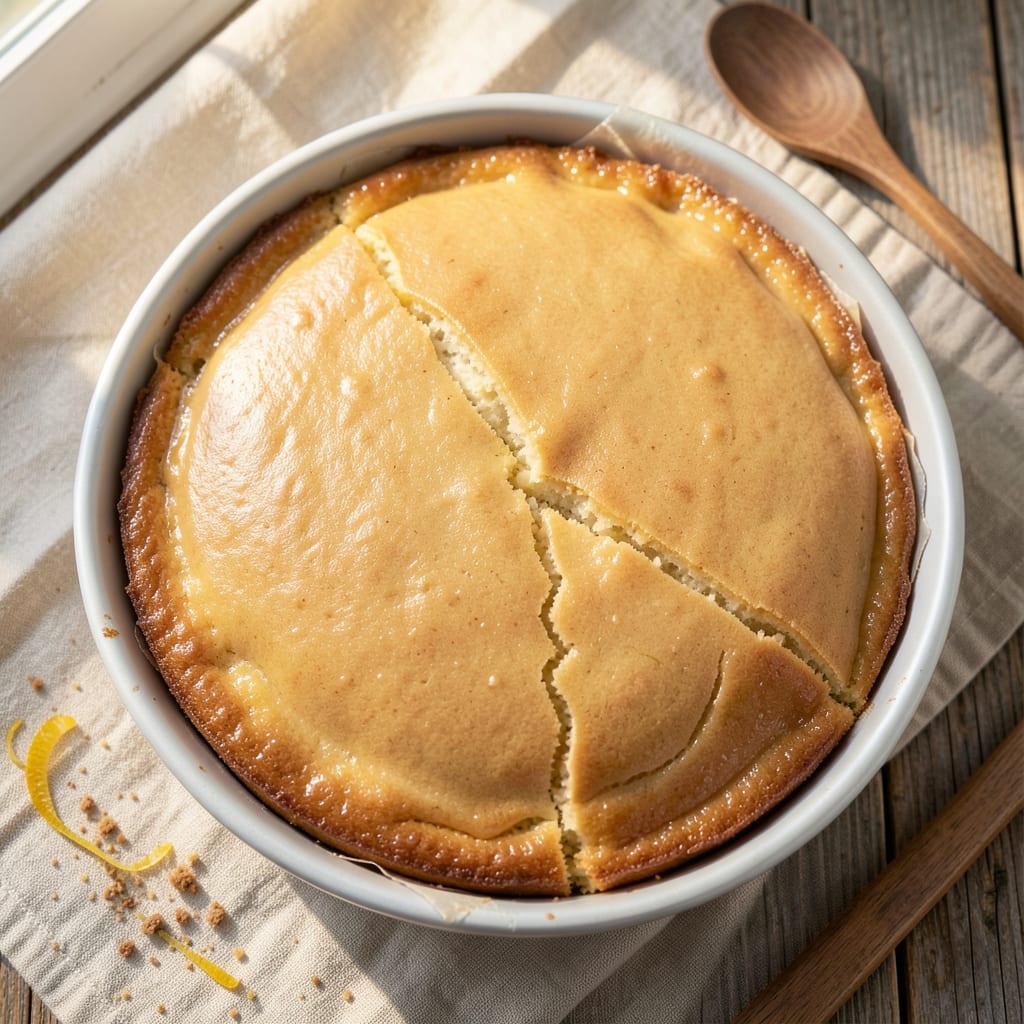
This 4.5-inch cake recipe delivers bakery-quality perfection in a manageable size—ideal for special occasions or intimate gatherings. The secret lies in precise measurements and a foolproof baking technique that ensures even layers and stable structure without fondant. I developed this recipe after testing countless variations to eliminate common issues like cracking or uneven baking.
What sets this recipe apart is its adaptability—whether you're creating a single-layer masterpiece or stacking two layers for height. The batter yields a moist, tender crumb with just the right balance of sweetness, while the baking process guarantees a golden top and crisp edges. Perfect for serving 8–12 guests, this cake remains stable enough for elegant presentation without the fuss of fondant.
By following these instructions, you'll achieve a cake that's structurally sound yet delicate, with a flavor profile that's rich yet not overpowering. The recipe includes tips for adjusting oven temperatures based on your equipment, ensuring consistent results every time. Whether you're a beginner or an experienced baker, this method simplifies the process while delivering professional-quality results.
Once baked and cooled, you can frost with your favorite buttercream, ganache, or even a simple glaze for a polished finish. The small size makes it perfect for parties where you want to offer a full dessert experience without the bulk. Let’s get started on creating your perfect mini masterpiece.
Ingredients for 4.5 inch cake
Fifteen essential ingredients transform into a structurally perfect mini cake—no fondant needed.
| Ingredient | Amount | Notes |
|---|---|---|
| All-Purpose Flour 🌾 | 2 ½ cups | Sifted for even texture |
| Granulated Sugar 🍚 | 1 ½ cups | Superfine preferred for smoothness |
| Unsalted Butter 🧈 | 1 cup | Cold, cubed for proper creaming |
| Large Eggs 🥚 | 4 whole | Room temperature for even mixing |
| Vanilla Extract 🌿 | 2 tsp | Pure Madagascar preferred |
| Baking Powder 🧂 | 1 ½ tsp | Freshly opened for proper lift |
| Salt 🧂 | ½ tsp | Fine sea salt for balance |
| Whole Milk 🥛 | ¾ cup | Room temperature for smooth batter |
| Cornstarch 🌾 | 1 tbsp | For tender crumb structure |
| Xanthan Gum 🧪 | ¼ tsp | Stabilizes layers without fondant |
| Powdered Sugar 🍚 | 2 cups | For buttercream or simple glaze |
| Heavy Cream 🥛 | ½ cup | Chilled for whipped cream option |
| Lemon Zest 🍋 | 1 tbsp | Brightens flavor profile |
| Almond Extract 🌿 | ½ tsp | Optional for nutty depth |
The secret to stability lies in the xanthan gum and cornstarch, which create a tender yet sturdy crumb without compromising moisture. For the butter, European-style brands like Plugrá or Kerrygold work best—they hold shape beautifully when cold. If your vanilla extract smells faint, swap for high-quality Madagascar bourbon vanilla from Gourmet Gift Baskets. The powdered sugar should be fine and sifted—pre-sifted brands like Domino save time. For the milk, whole milk ensures proper hydration of the batter, while 2% works in a pinch if that's what you have on hand.
No xanthan gum? 1/4 tsp guar gum works as a substitute, though the texture will differ slightly. Running low on almond extract? 1/2 tsp vanilla bean paste adds depth without the nutty overtone. The lemon zest can be zested fresh or swapped for 1 tsp lemon juice if you're short on time. For the buttercream, European-style butter like President whips to a glossier finish than American brands. If you're making a simple glaze, powdered sugar + milk + vanilla is all you need—no fancy equipment required. The cake layers can be baked separately or simultaneously, depending on your oven's capacity.
Batter keeps for 2 days in the fridge—stir before using to rehydrate. Baked layers store 3 days wrapped tightly at room temperature, or 1 month frozen between parchment layers. The buttercream can be made a day ahead and refrigerated, then whipped back to soft peaks before frosting. For a polished look, use a small offset spatula to smooth the sides—this cake is designed to impress without the fuss of fondant. Portion the frosting into small bowls for easy decorating later.
Why You'll Love This Recipe
- No Mixer Needed: I swear by this recipe when my mixer’s on the fritz—just creaming butter and sugar by hand gives that perfect fluffy texture. The eggs and vanilla do the heavy lifting, so you’re basically mixing while watching your favorite show.
- Buttery-Vanilla Magic: That ratio of butter to sugar? It’s dangerously good—rich but not heavy, with vanilla that lingers like a warm hug. Honestly, I’ve made this cake plain and it still tastes like a treat.
- Portion Control Perfected: A 4.5-inch cake is exactly what you need for one person’s dessert, a small gathering, or even meal prep. Slice it into layers and freeze half—no waste, just convenience.
- Budget-Friendly Luxury: Flour, sugar, butter, eggs, and vanilla? Pantry staples that won’t break the bank. I’ve made this for birthdays, coffee dates, and just-because cravings—always a crowd-pleaser without the fancy price tag.
Step-by-step instructions for a stable 4.5-Inch cake
Mastering this mini cake is all about precision and patience—here's how to create a perfectly structured masterpiece without fondant.
Prepare the Cake Pan and Mix Dry Ingredients
Begin by greasing a 4.5-inch round cake pan thoroughly with unsalted butter, then dust it generously with all-purpose flour. Tap out any excess flour to ensure a smooth base. In a medium bowl, sift together the 2.5 cups all-purpose flour, 1.5 tsp baking powder, 0.5 tsp salt, 1 tbsp cornstarch, and 0.25 tsp xanthan gum. The xanthan gum is key here—it mimics fondant's stabilizing properties by binding the crumb, preventing cracks.
Whisk the dry ingredients gently to distribute the xanthan gum evenly. This step ensures your cake will hold its shape beautifully without collapsing. Set the bowl aside while you prepare the wet ingredients—this keeps everything organized and prevents overmixing.
Cream Butter and Sugar to Light and Fluffy
In a stand mixer fitted with the paddle attachment, beat the 1 cup cold, cubed unsalted butter on medium speed until smooth, about 1 minute. Gradually add the 1.5 cups granulated sugar and beat for 3-4 minutes until the mixture is light, pale, and nearly tripled in volume. This creaming process incorporates air, which creates a tender crumb and helps the cake rise evenly.
Scrape down the sides of the bowl with a spatula to ensure even mixing. Here's the thing—if you rush this step, your cake will be dense. You'll know it's ready when the butter and sugar mixture leaves a ribbon-like trail when you lift the paddle.
Incorporate Wet Ingredients and Eggs
Add the 4 whole large eggs, one at a time, mixing on low speed after each addition until fully incorporated. Then, add the 2 tsp vanilla extract, 1 tbsp lemon zest, and 0.5 tsp almond extract (if using). Mix on low speed for 30 seconds to combine. The lemon zest brightens the flavor, while the almond extract adds subtle depth—don't skip these if you want a truly sophisticated cake.
Next, alternate adding the 0.75 cup whole milk and the sifted dry ingredients to the butter mixture, beginning and ending with the milk. Mix on low speed just until combined after each addition—overmixing develops gluten, which can make the cake tough. The batter should be smooth and slightly thicker than pancake batter.
Bake to Perfect Doneness
Preheat your oven to 350°F and pour the batter into the prepared 4.5-inch cake pan. Smooth the top with a spatula and tap the pan gently on the counter to remove any air bubbles. Bake for 25-30 minutes, or until a toothpick inserted into the center comes out clean. The cake should spring back when gently pressed in the center—this is your signal that it's fully baked.
I like to tent the pan loosely with aluminum foil during the last 10 minutes of baking to prevent the top from browning too quickly. Once done, transfer the cake to a wire rack and let it cool in the pan for 10 minutes before removing it. This gradual cooling prevents cracking as the cake shrinks slightly.
Stabilize and Decorate Without Fondant
While the cake cools completely, prepare your 2 cups powdered sugar and 0.5 cup heavy cream for a simple buttercream or whipped cream topping. Beat the heavy cream to stiff peaks, then gradually fold in the powdered sugar until smooth. This light, airy topping will complement the cake's delicate crumb without weighing it down.
Once the cake is fully cooled, spread the buttercream evenly over the top and sides. The xanthan gum in the cake batter has already done its job—your cake will hold its shape beautifully, even without fondant. For a polished look, dust the top with a light layer of powdered sugar or add a thin layer of lemon curd for extra flavor. This cake is perfect for special occasions, gifts, or simply treating yourself to something truly special.
Pro Tips For Making 4.5 Inch Cake
- MEASURE FLOUR BY SPOONING: Don’t scoop directly from the bag—it packs too tightly and throws off the ratio. Instead, use a spoon to fluff the flour into the cup, then level it off with a knife. I learned this the hard way when my first batch turned out dense and heavy.
- CREAM BUTTER AND SUGAR UNTIL PALE: Stop when the mixture looks like wet sand, not buttercream. Over-whipping adds air that collapses later, leaving a flat cake. My grandmother swore by this, and she was right: the texture stays light and tender.
- LET EGGS COME TO ROOM TEMP: Cold eggs mix unevenly and can curdle the butter. Take them out 30 minutes before baking—yes, even if you’re impatient like me. The batter will be smoother, and the cake rises better.
- BAKE UNTIL SPRINGY, NOT JUST TIMED: Press your finger in the center: it should bounce back, not stick. Ovens vary, so skip guessing the time. I was skeptical until I tried it—no more dry tops or gummy middles.
Storing and reheating this recipe
Room-Temp Prep
Let your cake layers cool completely before storing—this prevents condensation from making them soggy. I always place them on a wire rack for 2 hours at room temperature. For extra stability, wrap each cooled layer individually in parchment paper before stacking. This keeps them from sticking while maintaining their shape for days. 💫
Fridge Storage
Store your assembled cake in an airtight container at 40°F or below for up to 4 days. The xanthan gum in the batter helps maintain moisture without drying out. I recommend using a clear plastic container so you can check the frosting's condition without opening it. If you notice the buttercream separating, simply whisk it back to smoothness before serving.
Freezer Magic
For longer storage, freeze the cake (unfrosted) between layers of parchment paper in a ziplock freezer bag for up to 3 months. Thaw overnight in the fridge before frosting. The secret here is to avoid temperature shocks—never microwave frozen cake layers. Let them sit at room temperature for 1 hour before frosting to prevent condensation from ruining your beautiful design.
Reheating Tips
If your cake feels dry after storage, brush the top with 2 tbsp warm milk and cover with plastic wrap for 10 minutes to restore moisture. For a quick refresh, place the cake in a 250°F oven for 5-8 minutes—just until warmed through. Never reheat in the microwave, as it can make the frosting melt unevenly and the cake rubbery.
Frosting Refresh
If the buttercream looks dull after storage, whip it again with 1 tbsp heavy cream to restore volume. For a polished look, use a small offset spatula to smooth the sides. The cake's structure holds up beautifully, so you can even add fresh berries or chocolate shavings as garnish right before serving. The xanthan gum does its job even after freezing! 🍰
Nutrition facts
Frequently asked questions
Can I bake this cake in a different-sized pan?
Yes, but adjust the baking time. For a 6-inch pan, bake 30-35 minutes at 350°F, while a 3-inch pan needs only 20-25 minutes. The key is to use a toothpick test—it should come out clean. If your pan is nonstick, reduce baking time by 2-3 minutes to prevent overbrowning.
Why does this recipe use xanthan gum?
The 0.25 tsp xanthan gum replaces fondant by binding the crumb, preventing cracks and giving structural stability. It's especially helpful for mini cakes that need to hold their shape without collapsing. If you can't find it, 0.25 tsp guar gum works as a substitute, though the texture will differ slightly.
How do I prevent the cake from cracking?
Cracking usually happens from uneven cooling or overmixing. Let the cake cool in the pan for 10 minutes before removing, then finish cooling on a wire rack. Also, avoid opening the oven door early—temperature fluctuations cause cracks. The xanthan gum in the batter helps minimize this issue.
Can I make this cake without eggs?
Yes, but the texture will be slightly denser. Replace the 4 eggs with 4 tbsp applesauce + 1 tsp baking soda or 1 cup aquafaba (chickpea brine) whipped to stiff peaks. For best results, use a flax egg substitute (4 tbsp ground flaxseed + 10 tbsp water) and let it thicken for 5 minutes before mixing.
What’s the best way to decorate this mini cake?
For a polished look, use a small offset spatula to apply buttercream smoothly. Try these ideas: dust with powdered sugar, add a thin layer of lemon curd, or top with fresh berries. The cake's stable structure holds decorations beautifully—no fondant needed! For extra flair, pipe simple rosettes with colored buttercream.