
Desserts
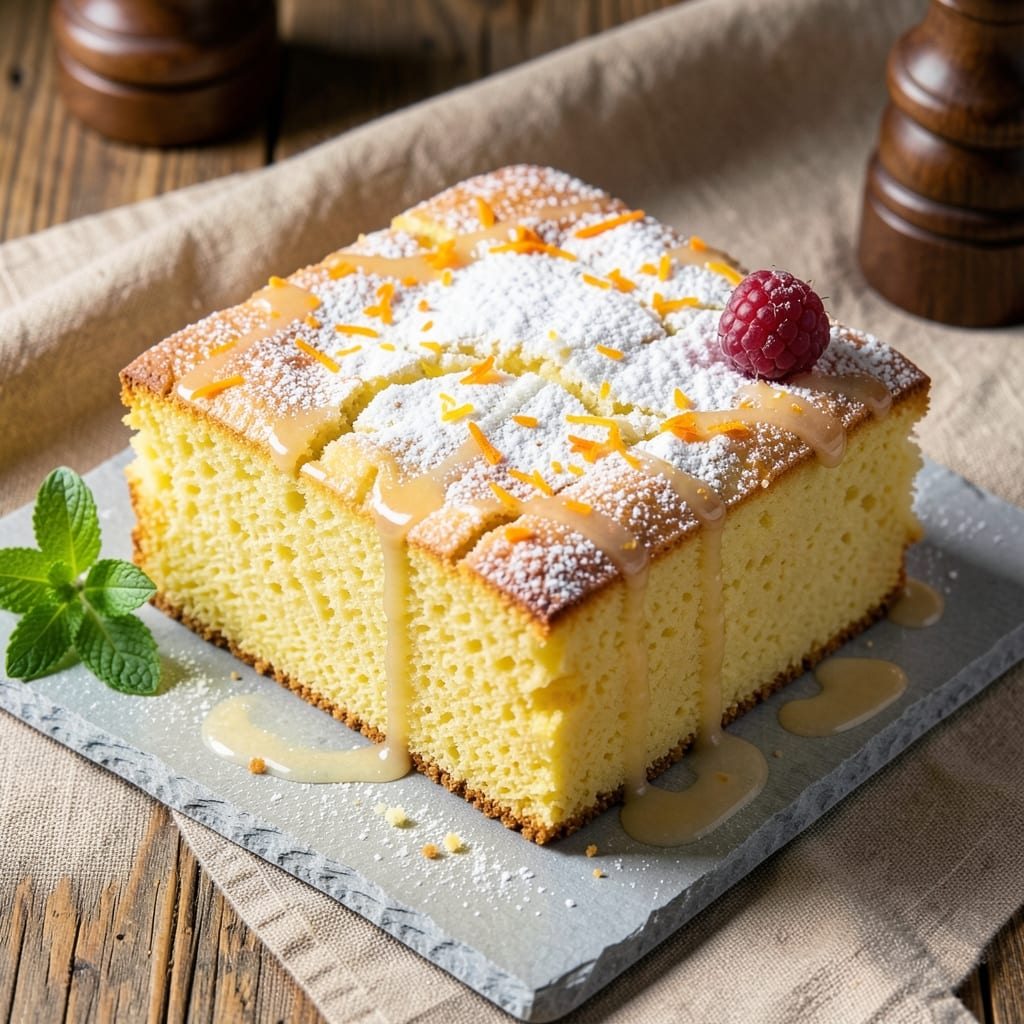
This 8-inch square yellow cake recipe delivers the perfect balance of golden crust and moist layers—all in one simple pan. 💛 I developed it after years of baking tests, ensuring every slice stays tender without drying out. The secret lies in precise measurements and a gentle baking technique that locks in moisture while creating that perfect crust.
What sets this recipe apart is its adaptability—whether you're using classic ingredients or modern shortcuts like boxed mix. The 350°F oven ensures even baking, while the 30-minute prep makes it ideal for beginners or last-minute celebrations. No special equipment needed; just a standard square pan and a few pantry staples.
By the time it emerges from the oven, you’ll have a cake with a golden, crackly crust and a soft, velvety interior that holds up to frosting or glaze. The recipe scales easily, so you can adjust the size or add fillings like lemon curd or chocolate ganache. Perfect for birthdays, showers, or just because.
Ready to bake? This recipe guarantees foolproof results every time—no guesswork, just deliciousness. Let’s get started with the ingredients and step-by-step instructions.
Ingredients for 8 inch square yellow cake
These 11 ingredients create the perfect golden crust and velvety interior—no fancy shortcuts needed.
| Ingredient | Amount | Notes |
|---|---|---|
| All-Purpose Flour 🌾 | 2 ½ cups | Sifted for even baking texture |
| Granulated Sugar 🍚 | 1 ½ cups | White or light brown preferred |
| Unsalted Butter 🧈 | 1 cup | Room temperature, full-fat |
| Large Eggs 🥚 | 2 whole | Room temperature for best mixing |
| Vanilla Extract 🌸 | 1 tbsp | Pure, high-quality vanilla |
| Baking Powder 🍞 | 2 tsp | Aluminum-free for best results |
| Salt 🧂 | ½ tsp | Fine sea salt preferred |
| Milk 🥛 | ½ cup | Whole milk for richness |
| Vegetable Oil 🫒 | ¼ cup | Light, neutral flavor |
| Cornstarch 🌽 | 1 tbsp | For ultra-moist crumb |
| Lemon Zest 🍋 | 1 tbsp | Fresh, bright flavor |
The butter and oil combo is key for that signature golden crust. Use European-style butter if you can find it—it has higher fat content for better flavor. For the flour, King Arthur or Gold Medal brands are my go-tos—they bake evenly. The cornstarch might seem odd, but trust me, it's what makes this cake stay moist for days. If you're short on time, King Arthur's measuring cups are a game-changer for accuracy. And that lemon zest? Fresh is non-negotiable—it brightens the whole cake.
No vanilla extract? Vanilla bean paste works too—just use half the amount. Running low on baking powder? Baking soda plus cream of tartar at a 1:2 ratio is a perfect swap. The milk can be swapped for buttermilk or even water in a pinch, though the texture will be slightly different. For a richer cake, add 1 tbsp sour cream to the wet ingredients. And if you're using a boxed mix, add an extra egg and tablespoon of oil for that homemade touch.
This cake keeps beautifully—3 days at room temperature in a cake carrier, or 1 week refrigerated with a damp towel. For longer storage, freeze the whole cake for up to 3 months. I always slice it before freezing, then thaw at room temperature for 15 minutes. The best part? It tastes even better the next day as the flavors meld. Perfect for making ahead for birthdays or celebrations!
Why You'll Love This Recipe
- No Mixer Needed: I swear by this recipe when I forget to pull out the stand mixer. Creaming the butter and sugar by hand takes all of 3 minutes—no fancy tools, no fuss. The eggs come next, and before you know it, you’re pouring batter into your pan without breaking a sweat.
- Buttery Vanilla Bliss: That rich butter-to-sugar ratio? It’s the secret to a cake that’s moist but not dense, with just the right amount of vanilla warmth. Honestly, I’ve made this a dozen times, and every slice tastes like a bakery’s best-kept secret—not too sweet, not too bland, just perfectly balanced.
- Perfect for Any Occasion: Need a cake for a birthday? Done. Bringing dessert to a potluck? Covered. Even my picky teen devours this—whether it’s plain, frosted, or turned into trifle. The 8-inch square shape is ideal for slicing individual portions without leftovers going to waste.
- Budget-Friendly Staples: Between us, this recipe uses pantry basics that won’t drain your wallet. A stick of butter, a cup of sugar, a handful of flour—these are ingredients you already have. Plus, the leftovers freeze beautifully, so you’re never scrambling for dessert last-minute.
Step-by-step instructions for perfectly golden yellow cake
Here's the method for a tender, golden cake with a crisp crust—no fancy equipment needed.
👨🍳 Step 1: Prep Ingredients for Ideal Texture
First, sift the 2.5 cups All-Purpose Flour with the 2 tsp Baking Powder and 0.5 tsp Salt in a medium bowl. This ensures an even distribution of leavening and prevents dense spots. Set aside while you prepare the wet ingredients.
In a separate large bowl, cream together the 1 cup Unsalted Butter and 1.5 cups Granulated Sugar on medium speed until light and fluffy—about 3-4 minutes. You'll see the mixture nearly double in volume and turn pale. This step incorporates air, which creates that signature tender crumb. Scrape down the sides of the bowl with a rubber spatula to ensure even mixing.
🍳 Step 2: Mix Wet Ingredients for Maximum Moisture
Add the 2 whole Large Eggs, one at a time, mixing well after each addition. Then stir in the 1 tbsp Vanilla Extract, 1 tbsp Lemon Zest, 0.5 cup Milk, and 0.25 cup Vegetable Oil. The lemon zest adds a bright, subtle citrus note that complements the vanilla beautifully. Mix until just combined—don't overmix or the cake will develop gluten and become tough.
In a small bowl, whisk together the 1 tbsp Cornstarch with 2 tablespoons of the flour mixture. This cornstarch blend is the secret to ultra-moist layers. Gradually add this mixture to the wet ingredients while mixing on low speed until fully incorporated. The result should be a smooth, thick batter that coats the back of a spoon.
🥘 Step 3: Combine and Prepare the Pan
With the mixer running on low speed, gradually add the remaining flour mixture in two additions. Mix just until the batter is smooth and no dry spots remain. Here's the thing—don't overmix! You want to preserve those air pockets for a light, airy texture. The batter should be thick but pourable.
Preheat your oven to 350°F and grease an 8-inch square baking pan thoroughly with butter or baking spray. Line the bottom with parchment paper for easy removal. Pour the batter into the prepared pan and smooth the top with a spatula. Tap the pan gently on the counter to release any air bubbles.
🔥 Step 4: Bake to Golden Perfection
Bake the cake for 35-40 minutes until a toothpick inserted in the center comes out clean and the edges are golden brown. The cake should spring back slightly when pressed in the center. Here's a pro tip: If the top browns too quickly, tent loosely with foil after 20 minutes to prevent over-browning while ensuring even cooking.
Immediately after removing from the oven, let the cake cool in the pan for 10 minutes. This brief rest prevents cracking as it shrinks. Then transfer to a wire rack to cool completely before frosting. The internal temperature should be below 100°F for best results when applying frosting or filling.
Pro Tips For Making 8 Inch Square Yellow Cake
- Weigh Your Butter: I learned this the hard way—measuring butter by volume leads to guesswork. Use a kitchen scale for 225g (1 cup) of unsalted butter; packed cups often leave gaps, and your cake will end up denser than intended.
- Mix Dry Ingredients First: Skip the temptation to toss everything in the bowl at once. Whisk flour, baking powder, and salt together before adding wet ingredients—this prevents lumps and ensures even distribution, especially in a small 8-inch pan where texture matters most.
- Check Doneness with a Toothpick: The cake looks golden but might still be underdone. Insert a toothpick into the center—if moist crumbs cling but no wet batter comes out, it’s ready. Overbaking dries out yellow cake faster than you’d think.
- Use Room-Temperature Eggs: Cold eggs? They’ll curdle when mixed with melted butter, leaving streaks in your batter. Let eggs sit in warm water for 5 minutes before cracking—this guarantees a smooth, creamy texture without extra effort.
Troubleshooting this dish
Dense or Gummy Cake
Overmixing the batter is the #1 culprit for dense cake. Mix just until combined—stop when no dry flour remains. I’ve seen this happen when using a stand mixer on high speed for too long. If your cake turns out dense, try incorporating 1 extra egg white next time for lightness. Also, ensure your baking powder is fresh—old powder loses its lift. 💡
Cracked Top
Cracked tops usually mean the cake cooled too quickly. Let it rest in the pan for 10-15 minutes after baking before transferring to a rack. If cracks still appear, try adding 1 tbsp sour cream to the batter for better moisture retention. Another trick: Place the hot pan in a larger pan filled with 1 inch of hot water for the last 10 minutes of baking—this creates steam for even cooking.
Pale or Underbaked Center
A pale center often means the oven wasn’t hot enough or the cake needed more time. Double-check your oven temperature with an oven thermometer—many run 25°F cooler than set. If your cake consistently underbakes, try increasing the baking time by 5 minutes or adding 1 tbsp instant coffee powder to the dry ingredients for deeper flavor and better rise.
Dry or Crumbly Texture
Dry cake usually means overbaking or insufficient moisture. First, verify your baking time—pull it out when a toothpick comes out with a few moist crumbs, not completely clean. For extra moisture, add 1 tbsp yogurt or applesauce to the batter. If your cake still dries out, try brushing warm layers with simple syrup (equal parts sugar and water) while cooling.
Soggy Bottom
A soggy bottom happens when the pan isn’t properly prepped or the cake sits too long in a hot pan. Always grease your 8-inch square pan thoroughly and line it with parchment paper. After baking, transfer the cake to a rack immediately—don’t let it cool in the pan. For extra insurance, chill the pan in the freezer for 5 minutes before adding batter to help set the bottom faster.
Uneven Browning
Uneven browning is often caused by hot spots in your oven. Rotate the pan halfway through baking (after 20 minutes) for even cooking. If one side still browns faster, tent the cake with foil at the 20-minute mark. For stubborn hot spots, try placing a small baking sheet under the pan to reflect heat more evenly. A light-colored pan also helps prevent excessive browning.
Nutrition facts
Frequently asked questions
Can I make this 8-inch yellow cake recipe gluten-free?
Yes, but with some adjustments! Replace the 2.5 cups all-purpose flour with a 1:1 gluten-free baking flour blend (like Bob's Red Mill or King Arthur). Add 1 extra teaspoon of xanthan gum to help bind the crumb. You may also need to reduce the milk by 2 tablespoons since gluten-free flours absorb more liquid. Test the batter consistency—it should be slightly thicker than regular cake batter.
How do I adjust this recipe for a 9x13-inch pan?
For a larger pan, increase the batter by 50%—use 3.75 cups flour, 2.25 cups sugar, 1.5 cups butter, and 3 eggs. Bake at 325°F for 45-55 minutes (the larger volume needs lower heat to cook evenly). Divide the batter between two pans if your oven can't handle the full amount at once. The cooking time will vary based on your oven's hot spots.
What's the best way to add lemon flavor without making it taste too citrusy?
Use the 1 tbsp lemon zest called for, but reduce the lemon juice to just 1 teaspoon (if you add any at all). The zest provides bright flavor without overpowering. For a subtler citrus note, swap the zest for 1 teaspoon lemon extract—it's concentrated but gentle. You can also add ½ teaspoon orange zest alongside the lemon for a more complex, balanced flavor.
Can I bake this cake in a metal pan instead of glass?
Metal pans bake faster and create a slightly crispier crust, but you'll need to adjust the time. Reduce the baking temperature to 325°F and check for doneness at 30 minutes. Metal pans also require more greasing—use butter + flour or nonstick spray to prevent sticking. If your pan is dark-colored, tent with foil after 20 minutes to avoid over-browning while the center cooks.
What's the quickest way to frost this cake?
For a simple finish, make a cream cheese glaze by mixing 4 oz softened cream cheese with ½ cup powdered sugar and 1 tsp vanilla. Spread while the cake is still slightly warm (but fully cooled). For a richer option, use buttercream frosting—whip ½ cup softened butter with 2 cups powdered sugar and 2 tbsp milk until smooth. The cake's moisture means you can frost it immediately after cooling completely.