
Desserts
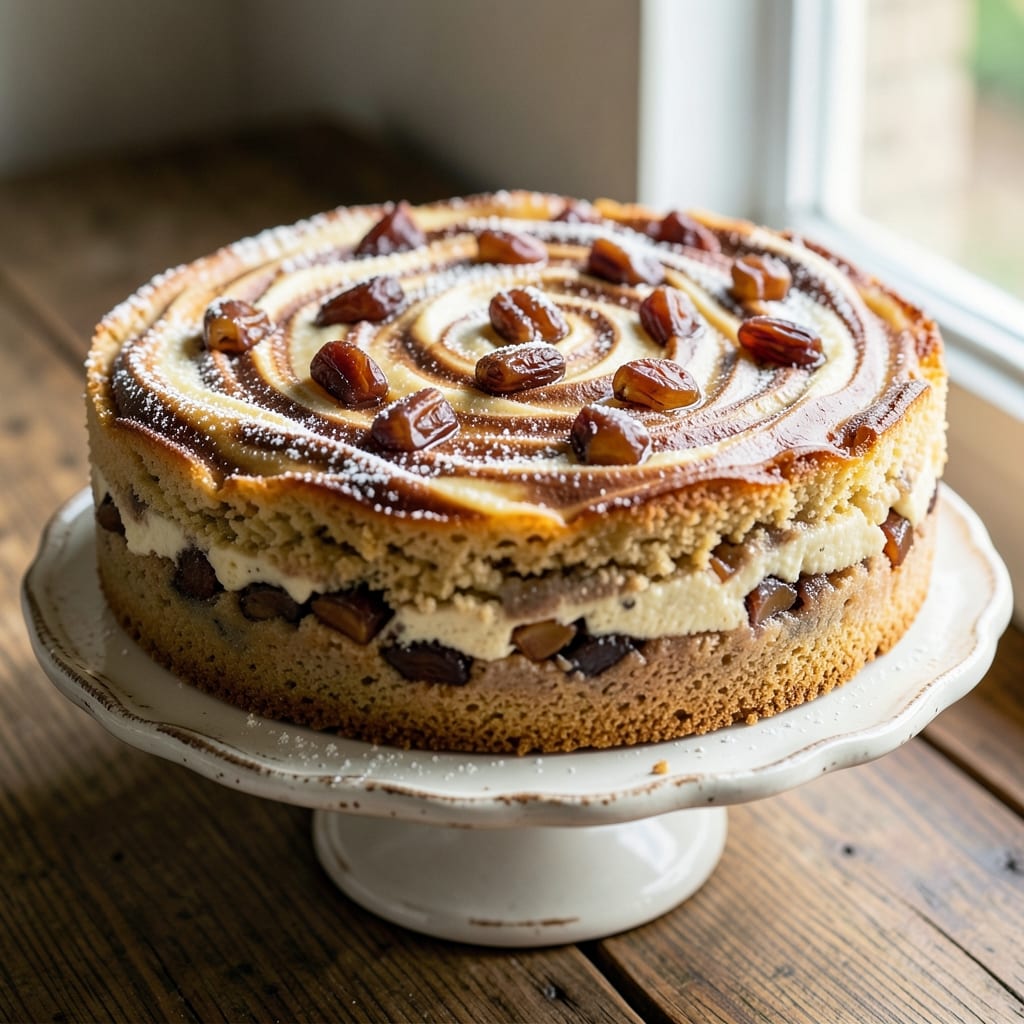
This almond date cake recipe delivers a moist crumb and caramelized date swirl that transforms ordinary desserts into something extraordinary. The combination of almond flour and medjool dates creates a naturally sweet, nutty base that stays tender even after baking—no dry crumbs here. What makes this recipe special is how the dates soften into a sticky, caramelized filling while baking, creating pockets of fruit throughout each slice.
The secret to achieving that perfect moist texture lies in the preparation method: soaking the dates first ensures they blend smoothly into the batter, while the almond flour adds richness without heaviness. This cake requires just 350°F for about 35-40 minutes, making it a straightforward bake that yields restaurant-quality results at home. The warm spices—like cinnamon and cardamom—elevate the flavor profile, giving each bite layers of complexity.
By the time it emerges from the oven, you'll have a cake with a golden top and a tender, crumbly interior that practically melts in your mouth. The caramelized date swirl adds natural sweetness and a chewy contrast to the lighter cake. Serve it warm with a dusting of powdered sugar or a drizzle of honey for an elegant finish that feels both indulgent and balanced.
Optional variations include adding orange zest for brightness or chopped walnuts for extra crunch. This cake keeps well at room temperature for 3-4 days, making it perfect for meal prep or gifting. Let's bake this showstopper!
Ingredients for almond date cake
The perfect blend of almond flour and caramelized dates creates a moist, restaurant-quality cake with tender crumb and rich swirls.
| Ingredient | Amount | Notes |
|---|---|---|
| Medjool Dates 🍯 | 1 ½ cups | Pitted, soaked in warm water |
| Almond Flour 🌰 | 2 ½ cups | Finely ground, unsweetened |
| Large Eggs 🥚 | 3 whole | Room temperature, beaten |
| Unsalted Butter 🧈 | 1 cup | Softened to room temperature |
| Granulated Sugar 🍚 | 1 cup | Light brown preferred |
| Pure Vanilla Extract 🌿 | 1 tbsp | High-quality, pure vanilla |
| Ground Cinnamon 🌶️ | 1 ½ tsp | Freshly ground preferred |
| Ground Cardamom 🌿 | ½ tsp | Finely ground, aromatic |
| Baking Powder 🧂 | 1 tsp | Aluminum-free preferred |
| Salt 🧂 | ¼ tsp | Fine sea salt preferred |
| Orange Zest 🍊 | 1 tbsp | Freshly grated, optional |
| Powdered Sugar 🍚 | ¼ cup | For dusting, optional |
| Honey 🍯 | 2 tbsp | For drizzling, optional |
The medjool dates are the heart of this recipe—pitting and soaking them for 15 minutes transforms them into a silky, caramelized filling. Whole Foods and specialty markets carry the best quality, but any pitted dates will work. For almond flour, Bob's Red Mill is a reliable brand, though homemade flour from blanched almonds adds even more depth. The almond flour should be finely ground to ensure a smooth batter, avoiding any gritty texture. Cardamom is key here; if unavailable, a pinch of nutmeg can mimic its warm, earthy notes, though it won't be identical. The orange zest adds brightness and pairs beautifully with the caramelized dates, so use freshly grated zest for the best flavor.
No medjool dates? Deglet Noor or regular dates work in a pinch, though they may be slightly less sweet. Substituting almond flour? Finely ground walnut flour or oat flour can work, but the texture will differ—expect a denser crumb. For a lighter cake, add 0.5 cups of all-purpose flour if using walnut flour. The baking powder is essential for lift; don’t skip it or use baking soda as a substitute. If you’re avoiding dairy, coconut oil can replace butter, though the cake may have a slightly different texture. Trader Joe's often carries high-quality vanilla extract at a reasonable price, but splurging on Madagascar bourbon vanilla elevates the flavor significantly. For the caramelized filling, blend the soaked dates with 1 tbsp of water until smooth before folding into the batter.
This cake keeps exceptionally well—3-4 days at room temperature wrapped in parchment paper, or up to 1 week in an airtight container. For longer storage, freeze slices for up to 3 months; thaw at room temperature before serving. The powdered sugar drizzle should be added just before serving to maintain its crispness. If storing the cake whole, slice it before freezing for easier portioning. The honey drizzle is optional but adds a luxurious finish—use raw honey for the best flavor. Leftovers reheat beautifully in the oven at 300°F for 5-10 minutes to restore moisture.
Why You'll Love This Recipe
- No Mixer Needed: I swear by this one—just fold, pour, bake. The almond flour and butter create a tender crumb without a single whisk stroke, and the dates blend right into the batter. Honestly, it’s the kind of recipe that makes me feel like a baking genius even when I’m half-asleep.
- Caramel-Kissed Magic: That sticky, fudgy center from the Medjool dates? It’s like dessert hugged cake. The sugar and butter caramelize just enough to give every bite a rich, buttery sweetness that’s dangerously hard to stop eating.
- Weeknight or Celebration: Same batter, endless uses. Keep it simple for breakfast with a dusting of powdered sugar, or dress it up for a holiday dessert with a drizzle of honey and toasted almonds. (Yes, even on a Tuesday night.)
- Budget-Friendly Luxury: Almond flour might sound fancy, but it stretches further than regular flour, and dates add natural sweetness that cuts back on sugar. Leftovers? They last days in the fridge—my kids beg for slices, and I don’t even have to buy extra ingredients.
Step-by-step instructions for almond date cake with caramelized fruit swirl
This method delivers a perfectly moist crumb with a rich date swirl that stays tender for days.
Prepare the Date Filling and Prep Ingredients
Begin by draining the soaked 1.5 cups Medjool Dates and patting them thoroughly dry. Transfer them to a food processor fitted with the metal blade and pulse until you achieve a coarse, sticky paste—think of it like jam consistency. This texture ensures a perfect swirl without making the cake too dense.
While the dates process, measure out the 2.5 cups Almond Flour, 1 cup Granulated Sugar, 1.5 tsp Ground Cinnamon, 0.5 tsp Ground Cardamom, 1 tsp Baking Powder, and 0.25 tsp Salt in a medium bowl. Sift this dry mixture together once to remove any lumps and distribute the spices evenly. This step prevents pockets of dry ingredients that can lead to a crumbly texture.
In a separate bowl, whisk together the 3 whole Large Eggs and 1 tbsp Pure Vanilla Extract until just combined. Add the 1 cup Unsalted Butter (softened to room temperature) and mix until fully incorporated. This egg-butter mixture forms the base of your cake batter, ensuring moisture retention throughout the baking process.
Combine Wet and Dry Ingredients
Gradually add the dry ingredients to the wet mixture, mixing on low speed just until combined. Avoid overmixing—you should still see small streaks of flour. The goal here is to create a thick, cohesive batter without developing gluten, which would make the cake tough. Use a rubber spatula to fold in the 1 tbsp Orange Zest at the end, ensuring it's evenly distributed.
Here's the thing—this batter will look thick and almost dry. That's normal. The almond flour absorbs moisture differently than wheat flour, so don't panic if it resembles cookie dough rather than traditional cake batter. The key is to mix just until everything comes together, no more.
Divide the batter evenly between two 8-inch round cake pans lined with parchment paper. Smooth the tops with a spatula, creating an even surface for baking. This even distribution ensures both cakes bake at the same rate, preventing one from drying out while the other remains undercooked.
Create the Date Swirl and Bake
Preheat your oven to 350°F and let it fully preheat for 15 minutes. While it heats, spread half of the date paste evenly over one of the cake layers in the pan. Using a small offset spatula, create a well in the center of the dates, then pour in about 1 tbsp Honey to help caramelize the dates during baking.
Carefully place the second cake layer on top, then gently press down to create a seal. This layering technique ensures the dates remain trapped in the center, creating that beautiful swirl effect when sliced. Tap the pans firmly on the counter twice to remove any air bubbles that might have formed during assembly.
Bake the cakes for 30-35 minutes, or until a toothpick inserted into the center comes out clean with just a few moist crumbs clinging to it. The cakes should spring back slightly when pressed in the center. Rotate the pans halfway through baking for even browning. The top should be golden brown, but not dark—this indicates proper caramelization of the dates without burning.
Cool and Finish
Remove the cakes from the oven and let them cool in their pans for 10 minutes. Then, invert them onto a wire rack to cool completely. This cooling process is crucial—it allows the cakes to set properly and prevents them from becoming gummy in the center.
Once completely cool, dust the tops with 0.25 cup Powdered Sugar using a fine-mesh sieve. This step adds a beautiful finish and balances the rich date flavor. For extra presentation, you can drizzle additional 2 tbsp Honey warmed in a small saucepan over the top, allowing it to drip down the sides. Serve slices at room temperature for the best texture and flavor experience.
Store for Maximum Freshness
Wrap the fully cooled cakes tightly in plastic wrap and store them at room temperature for up to 3 days. For longer storage, refrigerate for up to 1 week or freeze for up to 3 months. The beauty of this almond date cake is that it actually improves with age—keeping it wrapped prevents drying while allowing the flavors to meld beautifully.
When ready to serve, bring the cake to room temperature before slicing. The contrast of the warm cake with the slightly cooled date swirl creates an incredible textural experience. Each slice should reveal that signature caramelized date center, surrounded by a moist almond crumb that practically melts in your mouth.
Pro Tips For Making Almond Date Cake
- Soften Dates Properly: Pit those Medjool dates first, then cover them with boiling water for 10 minutes—not 5. The extra time makes them break down into a smooth paste that blends seamlessly into the batter, instead of leaving gritty chunks. (I learned this the hard way when my first batch tasted like date confetti.)
- Use Room-Temp Eggs: Pull eggs out of the fridge 30 minutes before mixing—cold eggs whip up stiff and can make the cake dense. Room-temp eggs blend in smoothly and help the almond flour incorporate better, giving you that light, airy texture you’re after. (Yes, even if you’re impatient like me.)
- Bake Until Golden, Not Just Set: The cake’s edges will pull away from the pan before it’s truly done—check the center with a skewer. It should come out with moist crumbs, not wet batter. Overbaking turns it dry; underbaking leaves it gummy. Aim for 220°F internal temp if your oven runs hot.
- Toast Almond Flour First: Spread almond flour on a baking sheet and toast at 350°F for 5-7 minutes until it smells nutty. This deepens the flavor and prevents that raw, chalky aftertaste. (Skip this, and your cake will taste like almond dust instead of almond cake.)
Troubleshooting this recipe
Dry Cake Texture
If your cake emerges dry or crumbly, the issue likely stems from overmixing or insufficient moisture. Almond flour absorbs liquid differently than wheat flour, so avoid overmixing the batter—just combine until just combined. For extra moisture, add 1-2 tbsp extra honey or maple syrup to the batter. Also, ensure your dates are fully soaked (15-20 minutes) and drained well to maintain their natural moisture content. 💧
Uneven Baking
Uneven baking often happens when the oven isn’t fully preheated or the cakes aren’t rotated midway. Always let your oven preheat for 15 minutes before baking, and rotate the pans halfway through the 30-35 minute bake time. If your oven runs hot, reduce the temperature to 325°F and bake for an extra 5-10 minutes. Using two identical 8-inch pans also helps ensure even baking. 🌡️
Date Filling Too Runny
A runny date filling usually means the dates weren’t processed finely enough or too much liquid was added. Pulse the dates in a food processor until they form a thick, jam-like paste—not too smooth, but not chunky either. If the filling spreads too much, chill the assembled cake in the fridge for 10 minutes before baking to help it set. For extra stability, add 1 tsp chia seeds to the date paste before folding it into the batter. 🍯
Cake Sticking to Pans
To prevent sticking, always line your pans with parchment paper and generously grease them with butter or baking spray. If the cake still sticks, it might be due to overbaking. Remove the cake from the oven as soon as a toothpick comes out clean (with a few moist crumbs). Let it cool in the pan for 10 minutes before inverting—this helps it release more easily. For extra insurance, use nonstick cake pans or dust them with almond flour before adding the batter. 🧁
No Swirl Effect
The swirl effect disappears when the date filling isn’t distributed evenly or the layers aren’t sealed properly. Spread the date paste thinly and evenly over one layer, then press the second layer on top firmly to create a seal. If the filling leaks out during baking, reduce the oven temperature to 325°F and bake for a longer time to slow the caramelization process. For a more pronounced swirl, chill the assembled cake for 30 minutes before baking to help the layers hold together. 🌀
Burnt Top
A burnt top usually means the oven is too hot or the cake needs tenting. If your oven runs hot, reduce the temperature to 325°F and bake for an extra 5-10 minutes. To prevent browning, loosely tent the pans with aluminum foil after 20 minutes of baking. Alternatively, place a baking sheet on the rack below to reflect heat away from the top. Always rotate the pans halfway through baking for even heat distribution. 🔥
Nutrition facts
Frequently asked questions
Why do I need to soak the dates before using them?
Soaking the dates softens them and transforms them into a silky, caramelized filling that blends seamlessly into the batter. This prevents a gritty texture and ensures a smooth, jam-like consistency that creates beautiful swirls when baked. For best results, soak them for 15 minutes in warm water before draining and processing.
Can I make this cake without almond flour?
Yes, but the texture will change. For a lighter cake, substitute 1 cup almond flour with 0.5 cups all-purpose flour and 0.5 cups oat flour. If you want to keep it nut-free, use 1.5 cups finely ground walnut flour—though it may be slightly denser. The almond flour adds natural richness and moisture retention that's hard to replicate.
How do I know when the cake is fully baked?
Insert a toothpick into the center—the cake is done when it comes out with just a few moist crumbs (not wet batter). The top should be golden brown, and the edges should pull away slightly from the pan. Baking times vary, but 30-35 minutes at 350°F is standard. If your oven runs hot, check at 28 minutes.
What's the best way to store leftovers?
Wrap the cake tightly in plastic wrap or store it in an airtight container at room temperature for 3-4 days. For longer storage, refrigerate for up to 1 week or freeze slices for 3 months. The cake actually improves with age—keeping it wrapped prevents drying while letting flavors meld beautifully. Bring to room temperature before serving for best texture.
Can I add other nuts or fruits to this recipe?
For extra crunch, fold in 0.5 cups chopped walnuts or pecans with the dry ingredients. For fruit variations, try 1 cup chopped dried apricots or 1 cup pitted cherries (soaked and drained). Just reduce the date quantity by 0.5 cups to maintain balance. The cardamom and cinnamon complement these additions beautifully.