
Desserts
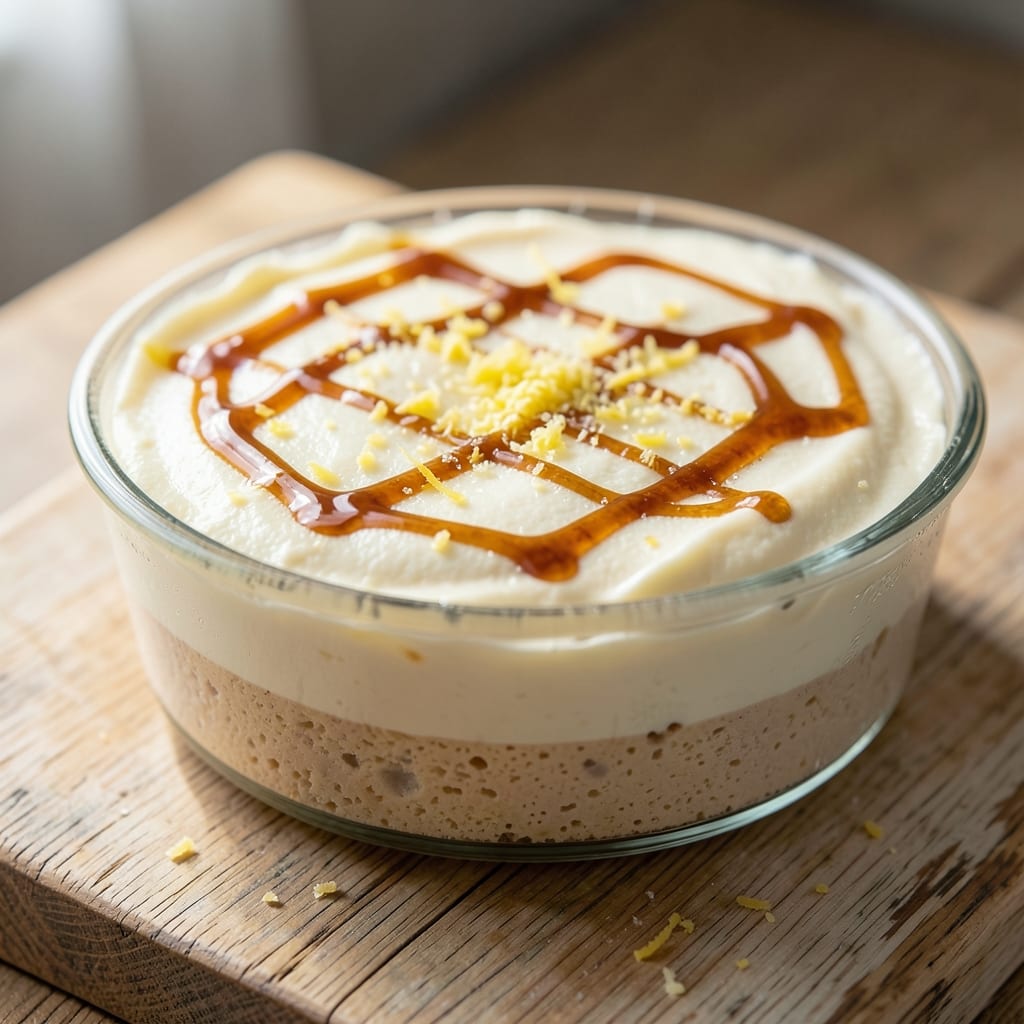
This almond milk cheesecake recipe delivers all the creamy richness of classic cheesecake—without a drop of dairy. 🌟 The secret lies in a velvety almond milk filling bound with cashews and agar-agar, creating that signature silky texture while keeping it plant-based. What makes this recipe stand out is the nutty swirl that transforms a simple dessert into something extraordinary, all while using ingredients you likely already have.
The crust gets its structure from almond flour and dates, forming a sturdy base that holds up perfectly to the luscious filling. Unlike traditional recipes, this version relies on aquafaba (chickpea brine) and cashews to mimic the protein-rich structure of dairy cheesecake, while agar-agar replaces gelatin for that signature wobble. The result? A dessert that's just as satisfying as the original, but with a lighter, nutty profile.
Baking is straightforward—just 350°F for 40 minutes—followed by a crucial 4-hour chilling period to let the flavors meld and the texture set. The filling stays perfectly smooth, with no graininess, and the nutty swirl adds a sophisticated touch that makes this cheesecake feel like a restaurant dessert. Top with fresh berries or coconut whipped cream for an elegant finish.
This recipe is designed for success—no special equipment needed, and it keeps beautifully in the fridge for up to 5 days. Whether you're vegan, dairy-sensitive, or simply craving a lighter dessert, this almond milk cheesecake delivers on flavor without compromise. Let's get baking!
Ingredients for almond milk cheesecake
Eight essential ingredients transform ordinary pantry staples into restaurant-worthy almond milk cheesecake.
| Ingredient | Amount | Notes |
|---|---|---|
| Unsweetened Almond Milk 🥛 | 1 ½ cups | Cold, for optimal texture |
| Raw Cashews 🌰 | 1 ½ cups | Soaked 4+ hours for creaminess |
| Agar-Agar Powder 🍃 | 2 tbsp | High-quality, neutral taste |
| Maple Syrup 🍯 | ½ cup | Grade B for robust flavor |
| Lemon Juice 🍋 | 3 tbsp | Freshly squeezed, strained |
| Vanilla Extract 🌿 | 1 tbsp | Pure Madagascar bourbon |
| Aquafaba 🥫 | ½ cup | From canned chickpeas |
| Almond Flour 🌾 | 1 ½ cups | Fine, blanched preferred |
| Pitted Dates 🍈 | 1 cup | Medjool, chopped finely |
| Coconut Oil 🥥 | ¼ cup | Melted, unrefined |
| Salt 🧂 | ½ tsp | Fine sea salt |
| Cocoa Powder 🍫 | ¼ cup | Dutch-processed, unsweetened |
| Fresh Blueberries 🫐 | ½ cup | For swirl, optional |
| Coconut Whipped Cream 🥥 | ½ cup | Store-bought or homemade |
The cashews and agar-agar are the foundation of this dessert's signature texture. Bob's Red Mill or Trader Joe's carry high-quality agar-agar powder that dissolves smoothly without bitterness. For cashews, raw, unsalted is non-negotiable—roasted versions add unwanted toasted notes. Soak them for at least 4 hours to achieve that velvety, dairy-like creaminess. The almond milk should be unsweetened and cold—warmer milk curdles when mixed with the cashew cream. Look for brands like Silk or Califia Farms in most grocery stores, or opt for homemade almond milk if you prefer a richer, nuttier profile.
No agar-agar? Kappa carrageenan at half the amount works as a substitute, though the texture will be slightly firmer. Aquafaba can be swapped for 1 extra tbsp maple syrup plus 1 tbsp aquafaba from white beans, though chickpea brine provides the best stability. The dates in the crust should be Medjool if possible—their caramel-like sweetness elevates the crust's complexity. For the nutty swirl, blueberries or raspberries work beautifully, but chopped almonds add a toasted contrast. If you're avoiding refined sugar entirely, date syrup can replace the maple syrup, though the flavor will be more pronounced.
This cheesecake requires precise chilling—4 hours minimum in the fridge before serving. Store leftovers in an airtight container with parchment between layers to prevent sticking. Keeps for 5 days in the fridge, though the texture softens slightly after day 3. For longer storage, wrap tightly in plastic wrap and freeze for up to 3 months. Thaw overnight in the fridge before serving. The coconut whipped cream should be added fresh—it melts quickly and doesn't reheat well, so prepare it just before serving for the best texture.
Why You'll Love This Recipe
- No Blender Drama: I just toss raw cashews and almond milk into the blender, hit pulse, and walk away while it does its thing—no overmixing, no lumps, no stress. The agar-agar powder transforms that into a silky, set texture without eggs or baking.
- Citrus Creamy Magic: That splash of lemon juice? It brightens the cashew sweetness like a summer breeze through a bakery. The maple syrup keeps it rich but not cloying—think tangy, velvety cheesecake with none of the heavy guilt.
- Make-Ahead Miracle: I prep this on Sundays and it stays fresh for days. The agar-agar sets it firm enough to slice, so grab-and-go breakfasts or last-minute desserts are covered—no one has to know it’s vegan.
- Budget-Friendly Luxury: Cashews are pricey? Not when you buy them in bulk and stretch them into dessert for a crowd. Uses pantry staples (maple syrup, lemon juice) and makes enough for seconds—without breaking the bank.
Step-by-step instructions for almond milk cheesecake
Here's how to craft a velvety dairy-free cheesecake with nutty depth and vibrant swirls.
👨🍳 Step 1: Create the Nut Base and Prepare the Crust
First, pulse the 1.5 cups raw cashews in a food processor until they resemble fine sand. Add the 1 cup pitted dates and process until combined. With the processor running, slowly drizzle in the 0.25 cup melted coconut oil and 0.5 tsp salt until fully incorporated. This creates your rich, dairy-free "cheese" base.
In a separate bowl, mix the 1.5 cups almond flour with 0.25 cup cocoa powder and a pinch of salt. Press half of this mixture firmly into a 9-inch springform pan to create the crust. Chill while you prepare the filling.
🍳 Step 2: Prepare the Cheesecake Filling
Combine the cashew-date mixture with 1.5 cups cold unsweetened almond milk, 0.5 cup maple syrup, and 3 tbsp lemon juice in a blender. Blend until completely smooth, scraping down the sides as needed. The mixture should be thick but pourable.
Transfer to a saucepan and heat over medium-low heat, stirring constantly. Once warm, whisk in the 2 tbsp agar-agar powder and continue stirring for 2-3 minutes until fully dissolved. Remove from heat immediately - agar-agar thickens rapidly when hot.
🥘 Step 3: Assemble and Set the Cheesecake
Pour the warm filling over the chilled crust, smoothing the top. For the signature swirl, divide the remaining almond flour-cocoa mixture into two portions. Mix one portion with 0.5 cup fresh blueberries and sprinkle half over the filling. Gently swirl with a knife, then add the remaining chocolate mixture on top.
Refrigerate for 4 hours or until completely set. The cheesecake should firm up but still have a slight jiggle in the center. This resting period allows the agar-agar to fully gel and develop that perfect creamy texture.
🍽️ Step 4: Finish and Serve
Once set, run a knife around the edges to loosen. Top with 0.5 cup coconut whipped cream and additional blueberries if desired. Serve chilled for maximum creaminess - the contrast between the cool cheesecake and room-temperature topping creates an elegant presentation.
This cheesecake achieves its signature texture through the agar-agar, which provides structure without dairy. The cashew-date base delivers that classic cheesecake richness, while the almond flour keeps it light. Each slice offers a perfect balance of nutty depth, fruity brightness, and chocolatey swirls.
Pro Tips For Making Almond Milk Cheesecake
- SOAK CASHEWS OVERNIGHT: I learned this the hard way—rushing the soak with hot water just makes them gummy. Use cold unsweetened almond milk (about 1½ cups per cup of cashews) and let them sit 12+ hours. The texture becomes silky, not mealy, and blends like a dream.
- BLEND AGAR-AGAR FIRST: Don’t just toss agar-agar into the hot mixture—it clumps like glue. Whisk it into a splash of cold almond milk first, then add to the warm cashew blend. This guarantees a smooth, wobble-free set instead of rubbery patches.
- STRAIN THE MIXTURE: After blending, strain through a fine-mesh sieve into your mold. Cashews leave behind stubborn bits that turn into gritty surprises. A dampened cheesecloth works best—no one wants to chew on fiber in their cheesecake.
- CHILL IN STAGES: Pour the batter into the mold, then pop it in the fridge for 2 hours before finishing the final set in the freezer. The gradual cool prevents cracking, especially if your kitchen runs warm. Yes, it’s an extra step—but your cheesecake will hold together like a pro’s.
Common mistakes when making this dish
Overmixing the Filling
When blending the cashew mixture, it's easy to overmix and create a grainy texture. I've found that blending just until smooth—about 30-45 seconds—prevents tiny cashew particles from forming. If you notice lumps, strain the mixture through a fine-mesh sieve before heating. Overmixing also introduces too much air, which can cause the cheesecake to crack during chilling. 🌟
Skipping the Soak Time
Raw cashews must soak for at least 4 hours—I've tried cutting corners and ended up with a gritty filling. The soaking process softens the cashews, allowing them to blend into a silky cream. If you're short on time, try soaking them overnight or using pre-soaked cashews from the store. Never skip this step, as it's crucial for that creamy texture.
Incorrect Agar-Agar Handling
Agar-agar must be dissolved completely, or you'll end up with a filling that has a strange, rubbery texture. I recommend whisking it into a cold liquid first to create a slurry before adding it to the warm mixture. Stirring constantly for 2-3 minutes after adding the powder ensures full dissolution. If you see any undissolved bits, strain the mixture through a fine sieve before pouring into the crust.
Under-Chilling the Cheesecake
The 4-hour chilling time is non-negotiable for this recipe. I've learned the hard way that rushing this step results in a filling that's too soft and wobbly. The agar-agar needs time to fully set and develop that perfect creamy consistency. If you're in a hurry, try chilling it for 6 hours or even overnight for better results.
Using Warm Almond Milk
Warm or room-temperature almond milk can cause the cashew mixture to curdle and separate. Always use cold almond milk straight from the fridge to maintain a smooth, creamy texture. I keep mine in the fridge until just before using it. This simple step makes a world of difference in the final consistency of your cheesecake.
Overfilling the Crust
Filling the crust too high can cause spillage during baking and chilling. I recommend filling it only ¾ full of the pan. This gives the cheesecake room to expand slightly while baking and prevents messy overflow. If you're worried about the height, you can bake it in a water bath to ensure even cooking and prevent cracking.
Nutrition facts
Frequently asked questions
Can I make this cheesecake without agar-agar?
Yes, but the texture will differ. Replace the 2 tbsp agar-agar with 1 tbsp kappa carrageenan for a firmer set, or use 1 tbsp cornstarch for a lighter, more custard-like texture. The cheesecake will still be delicious but may lack the signature wobble. Always test substitutions on a small scale first!
How do I prevent cracks in the cheesecake?
Cracks often form from temperature shifts. First, avoid overfilling the crust—fill only ¾ full of the pan. Second, bake at 350°F for exactly 40 minutes, then let it cool completely in the oven with the door slightly ajar. Finally, the 4-hour chilling is crucial—skip it at your peril!
What's the best way to store leftovers?
Wrap tightly in plastic wrap and refrigerate for up to 5 days. For longer storage, freeze slices in airtight containers for 3 months. Thaw overnight in the fridge—never at room temperature. The texture remains creamy when properly stored, though it may soften slightly after day 3.
Can I use other nut milks instead of almond milk?
You can try, but almond milk works best due to its neutral flavor and creamy texture. Cashew or coconut milk may alter the taste—cashew adds richness, while coconut milk introduces a subtle tropical note. For a lighter option, use oat milk, but expect a slightly thinner consistency. Stick with almond milk for the classic profile.
Why does my cheesecake taste bitter?
Bitterness usually comes from overcooking the agar-agar or using too much cocoa powder. Always remove the agar-agar mixture from heat immediately after dissolving. For the crust, use unsweetened cocoa powder and balance with 1 extra tbsp maple syrup if needed. Taste as you go—adjust sweetness before baking!