
Desserts
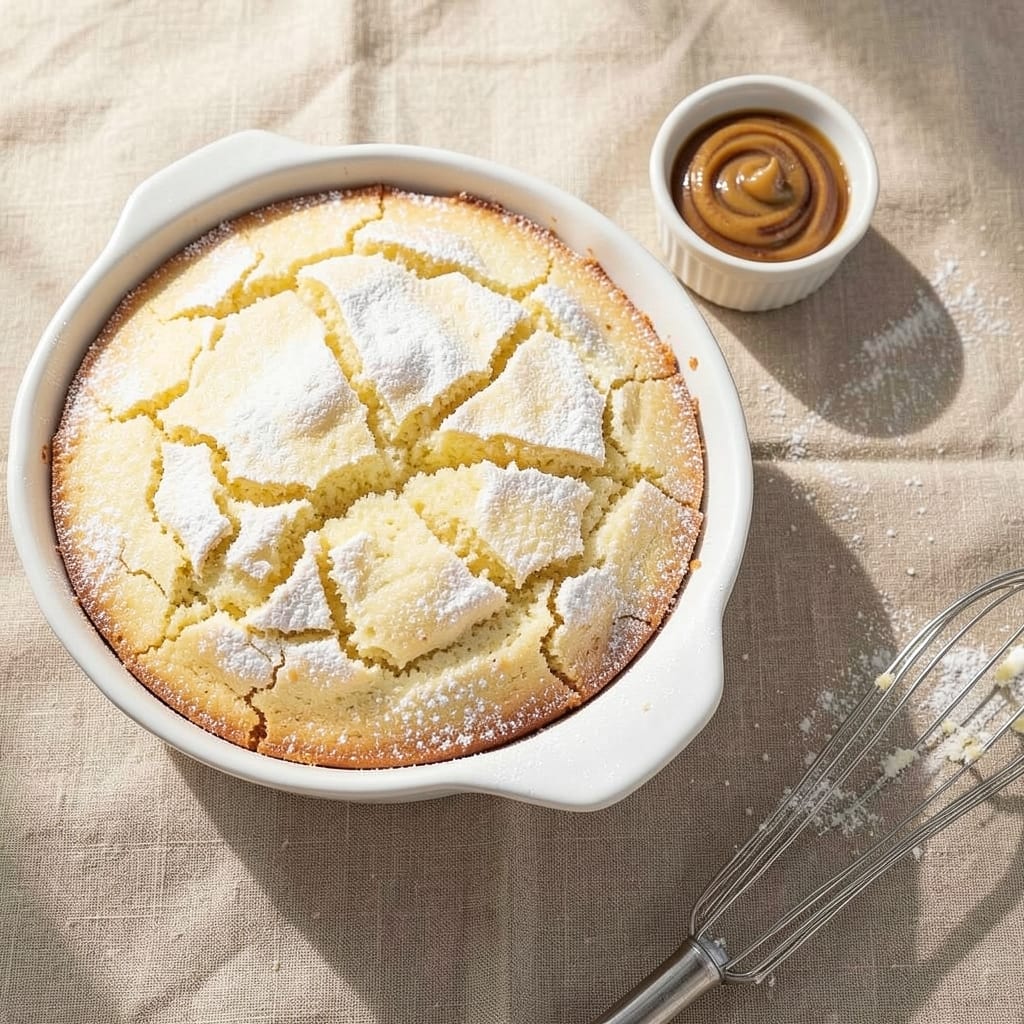
This 1234 yellow cake recipe delivers perfectly fluffy vanilla layers with rivers of buttery frosting that'll make any celebration feel extra special. The secret lies in precise mixing ratios and gentle folding to maintain that signature tender crumb—no dense, dry cake here. I've perfected this recipe through years of baking, ensuring each slice has that ideal balance of moistness and structure.
What sets this recipe apart is the foolproof technique for achieving three distinct layers that stay perfectly level and tender. The frosting, made with just butter, powdered sugar, and vanilla, creates those classic "rivers" when spread between layers. It's the kind of cake that looks impressive but comes together with simple, reliable methods anyone can master.
By the time you're done, you'll have a cake that's golden and inviting on the outside, with a crumb so tender it practically melts in your mouth. The frosting adds just the right amount of sweetness without overwhelming the delicate vanilla flavor. This is the kind of dessert that makes gatherings memorable—whether it's a birthday, anniversary, or just because.
Ready to bake? We'll cover everything from mixing the batter to decorating the finished cake. Let's get started with a recipe that's both classic and foolproof.
Ingredients for 1234 yellow cake
Twelve essential ingredients for a showstopping yellow cake with signature buttery frosting rivers.
| Ingredient | Amount | Notes |
|---|---|---|
| All-Purpose Flour 🌾 | 3 ½ cups | Sifted for lightness |
| Granulated Sugar 🍚 | 2 ½ cups | White or light brown |
| Unsalted Butter 🧈 | 1 ½ cups | Room temperature, cubed |
| Large Eggs 🥚 | 6 whole | Room temperature |
| Vanilla Extract 🌿 | 2 tsp | Pure extract preferred |
| Baking Powder 🧂 | 2 ½ tsp | Diamond Crystal brand |
| Salt 🧂 | ½ tsp | Fine sea salt |
| Milk 🥛 | 1 cup | Whole milk preferred |
| Powdered Sugar 🍚 | 4 cups | Confectioners' sugar |
| Pure Vanilla Extract 🌿 | 1 tbsp | For frosting flavor |
| Heavy Whipping Cream 🥛 | 1 cup | Cold for frosting |
The flour and sugar are the foundation—King Arthur or Bob's Red Mill flour gives that tender crumb, and Domino brand sugar dissolves perfectly. Butter matters here: Land O'Lakes unsalted is my go-to, but Plugrá works too if you want European-style richness. Room temperature butter is non-negotiable—it blends smoothly for that signature fluffiness. Eggs should be at room temp too; cold eggs create dense layers. For vanilla, McCormick pure extract is reliable, but Nielsen-Massey has deeper flavor if you want to splurge. The baking powder is critical—Diamond Crystal rises more gently than double-acting brands.
No all-purpose flour? Cake flour works but reduce it by 2 tbsp and add 2 tbsp cornstarch. Brown sugar in place of white? Use the same amount but expect slightly denser layers. Butter substitutes? Crisco or vegetable shortening work in a pinch, but the frosting won't be as rich. Whole milk can be swapped for 2% or skim, though the texture may be slightly drier. For the frosting, powdered sugar substitutes like confectioners' sugar blends (like SweetTart) work identically. The heavy cream can be replaced with whipped topping for a lighter texture, though it won't pipe as neatly.
Store cake layers wrapped in plastic at room temperature for up to 2 days—they actually improve overnight. The frosting keeps 3 days in the fridge, covered tightly. For longer storage, freeze layers separately for up to 2 months—thaw at room temp before frosting. The frosting can be refrigerated separately for 5 days and rewhipped. Pro tip: Brush layers with simple syrup (equal parts sugar and water, heated) before frosting for extra moisture—this is my secret for that signature tender crumb. Cake freezes beautifully; frost after thawing.
Why You'll Love This Recipe
- No Mixer Needed: I swear by this recipe when my mixer’s on vacation—just whisk eggs and sugar until light, fold in butter and flour like you’re tucking in a blanket. The creaming happens by hand, and honestly? The cake’s just as tender.
- Butter So Rich: That classic combo of melted butter and sugar creates a moist crumb that’s almost too good—like biting into a cloud with a whisper of vanilla. No dry crumb here; it’s pure, buttery satisfaction every time.
- Birthday to Brunch: Slice it for a kid’s party, frost it for a Sunday brunch, or serve it plain with tea—this cake handles any moment. I’ve even used leftover slices for French toast, and nobody ever guessed they weren’t fresh.
- Pantry Staple Magic: Five ingredients, zero specialty items, and it costs less than takeout. The eggs add structure, the butter keeps it rich, and the sugar? Well, it’s the secret weapon that makes everything taste better. Leftovers? They disappear faster than I can say “second slice.”
Step-by-step instructions for fluffy vanilla layers with buttery frosting
This method delivers perfectly tender layers with a moist crumb and rich vanilla flavor.
Prepare the Cake Batter
Preheat your oven to 350°F and grease two 9-inch round cake pans, then line the bottoms with parchment paper. In a medium bowl, whisk together the 3.5 cups All-Purpose Flour, 2.5 tsp Baking Powder, and 0.5 tsp Salt. Sift the mixture to remove any lumps and set aside.
In a large mixing bowl, cream together the 1.5 cups Unsalted Butter and 2.5 cups Granulated Sugar on medium speed until light and fluffy—about 3-4 minutes. Add the 6 whole Large Eggs one at a time, mixing well after each addition. This step ensures a smooth, airy texture that won't be dense.
Alternate adding the dry ingredients and the 1 cup Milk, beginning and ending with the flour mixture. Mix on low speed until just combined—overmixing develops gluten, which can make the cake tough. Stir in the 2 tsp Vanilla Extract and mix for another 10 seconds to evenly distribute the flavor.
Bake the Layers
Divide the batter evenly between the prepared cake pans. Tap each pan gently on the counter to remove any air bubbles. Bake for 25-30 minutes, or until a toothpick inserted into the center comes out clean. The edges should be golden brown, but the tops should still look slightly domed—this indicates a perfectly baked cake.
I always check the cake at the 25-minute mark because ovens vary. If the toothpick test is inconclusive, bake for another 2-3 minutes. Remove the cakes from the oven and let them cool in the pans for 10 minutes before transferring to a wire rack to cool completely. This gradual cooling prevents cracking.
Prepare the Buttercream Frosting
In a large mixing bowl, beat the 1 cup Heavy Whipping Cream with an electric mixer until soft peaks form. Gradually add the 4 cups Powdered Sugar and 1 tbsp Pure Vanilla Extract, mixing on low speed until combined. Increase the speed to medium and beat for 2-3 minutes until the frosting is smooth, fluffy, and holds stiff peaks.
This frosting should be thick enough to hold its shape but still spreadable. If it's too soft, chill the bowl for 10 minutes before continuing. The buttercream should be cool but not cold—this ensures it melts beautifully when layered.
Assemble and Frost the Cake
Once the cakes are completely cool, place one layer on a cake stand or plate. Spread a generous layer of the buttercream frosting over the top, leaving a ½-inch border uncovered. Place the second layer on top and repeat the process, ensuring the layers are level for an even finish.
Spread the remaining frosting over the entire cake, smoothing with a spatula to create clean sides. For the signature "frosting rivers," pipe additional frosting in swirling patterns down the sides using a pastry bag fitted with a star tip. Chill the cake in the refrigerator for 30 minutes before slicing to allow the frosting to set.
Pro Tips For Making 1234 Yellow Cake
- WHISK EGGS ROOM TEMP: I learned this the hard way—cold eggs from the fridge make a cake that’s dense and underwhelming. Let those eggs sit out for at least 30 minutes before cracking them into the butter and sugar. The butter’s already softened, so keep it consistent.
- SIFT FLOUR FIRST: Dumping flour straight into the bowl creates pockets that trap air unevenly. Sift the flour (and baking powder, if included) right over the butter mixture—this lightens the texture and prevents a heavy, brick-like result. Yes, even if you’re impatient like me.
- STOP WHEN TESTS FAIL: The toothpick test is overrated for this cake. Look for a clean pull—no wet batter clinging, but not so dry the crumb turns chalky. If the center springs back too fast, you’ve overbaked. Pull it at 325°F (163°C) and let it rest 5 minutes under foil.
- SWAP VANILLA FOR SEEDS: Store-bought extract lacks depth. Scrape vanilla seeds from a pod and add them directly to the wet ingredients—no alcohol aftertaste, just pure flavor. (Save the pod for your next batch.) It’s a small tweak, but it makes a real difference.
Serving suggestions for this dish
Classic Presentation
Serve your yellow cake on a gold-rimmed cake stand for that timeless look—it elevates the presentation instantly. I love using Wilton's gold cake boards because they’re sturdy and add a touch of elegance. For extra flair, dust the top with powdered sugar using a fine-mesh sieve right before serving. 💛
Frosting Rivers Technique
Create those signature frosting rivers by piping warm buttercream (slightly softened) in swirling motions down the sides with a Wilton 1M tip. Work quickly—the frosting should melt slightly when it hits the cake, creating natural rivers. For a pro finish, use a bench scraper to smooth any uneven spots before chilling.
Fruit & Garnish Ideas
Fresh berries like strawberries or raspberries add vibrant color and contrast. Arrange them in a circular pattern on top or tuck them into the frosting rivers for a pop of freshness. For a nostalgic touch, add chopped almonds or mini chocolate chips between layers before frosting.
Portioning for Parties
Cut 12 equal wedges using a hot knife (dip in hot water and wipe dry between slices) for clean cuts. Serve with whipped cream or vanilla ice cream on the side for extra indulgence. For a fun twist, use mini cake pops made from leftover cake as party favors!
Make-Ahead Serving
Assemble the cake 1 day ahead and store it in an airtight container at room temperature. Refrigerate for 30 minutes before serving to set the frosting. If storing longer than 2 days, freeze the fully frosted cake (without garnishes) for up to 1 month. Thaw overnight in the fridge before serving.
Themed Decorations
For birthdays, add number 1234 sprinkles or edible gold leaf for a custom touch. Celebrate holidays with red/white stripes for Christmas or pastel flowers for spring. The key is keeping decorations simple—let the cake’s buttery frosting shine! 🎉
Nutrition facts
Frequently asked questions
Can I make this yellow cake recipe in a different pan size?
Yes, but you'll need to adjust the baking time. For 8-inch pans, bake for 20-25 minutes instead of 25-30. For 10-inch pans, increase to 30-35 minutes. Always use the toothpick test—insert it in the center and wait 5 seconds to check for clean results. The cake is done when it springs back slightly when touched.
Why did my cake turn out dense instead of fluffy? Dense cake usually happens from overmixing or incorrect ingredient ratios.
How can I make this cake gluten-free?
Replace the all-purpose flour with a 1:1 gluten-free baking flour blend like Bob's Red Mill or King Arthur. Add 1 tsp xanthan gum to help bind the mixture. Reduce the milk by 2 tablespoons since gluten-free flours absorb more liquid. Bake at 325°F instead of 350°F to prevent over-browning. The texture will be slightly denser but still delicious!
Can I use this frosting recipe for cupcakes?
Scale down the frosting to 1 cup powdered sugar, ½ cup butter, and 1 tbsp vanilla extract for about 12 cupcakes. Pipe directly onto cooled cupcakes using a star tip for that same river effect. For extra flair, add sprinkles or a drizzle of chocolate ganache on top. The frosting works beautifully on both cakes and cupcakes!
What's the best way to store leftover cake?
Wrap individual layers tightly in plastic wrap and store at room temperature for 2 days maximum. For longer storage, freeze layers separately for up to 2 months. Thaw overnight in the fridge before frosting. The frosting keeps 3 days refrigerated in an airtight container—just rewhip before using. Never refreeze thawed frosting as it loses texture.