
Desserts
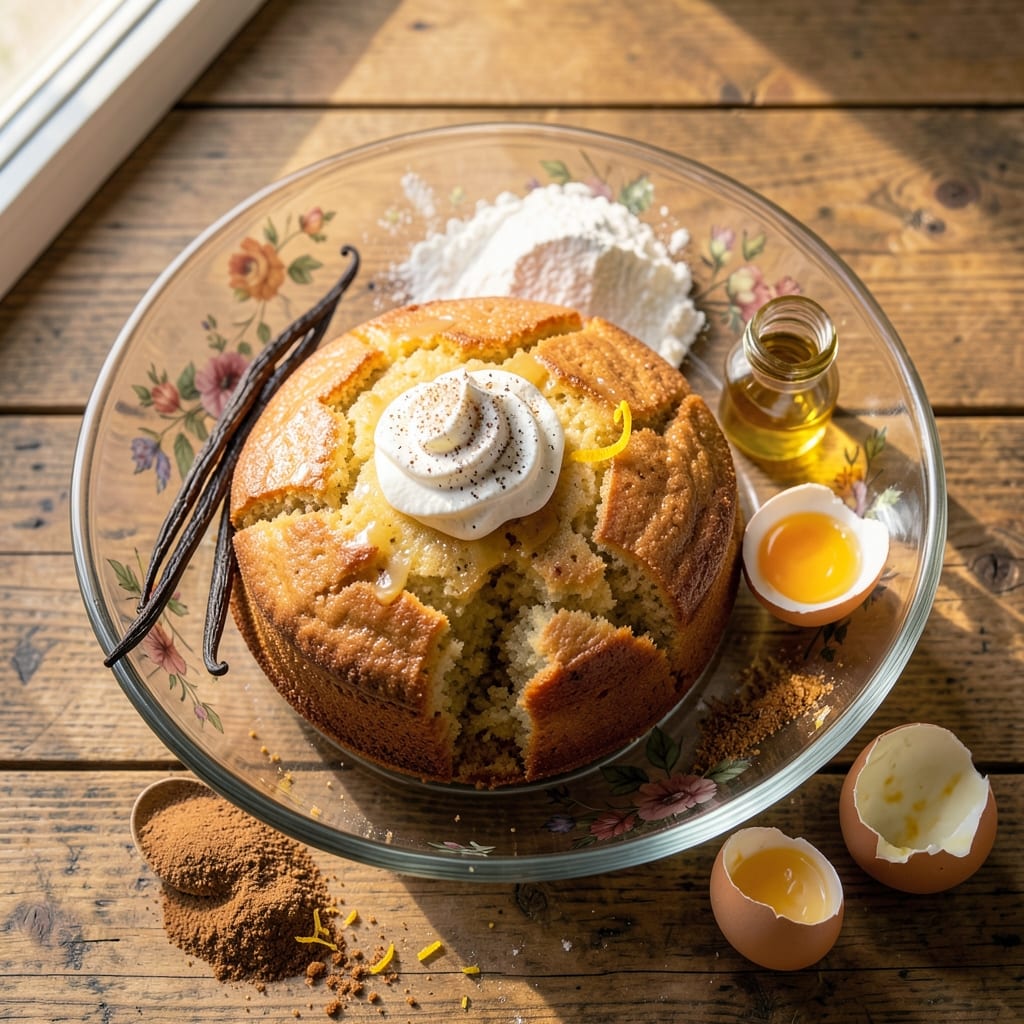
This 5-egg cake recipe delivers the perfect balance of lightness and richness, with layers so tender they practically melt in your mouth. The secret lies in the precise ratio of eggs to flour—five eggs create an airy, cloud-like texture that traditional cake recipes simply can’t match. I’ve perfected this method over years of baking, ensuring every slice has that signature vanilla bean swirl that makes it unforgettable.
The beauty of this recipe is its versatility—ideal for celebrations, casual gatherings, or even a special treat for yourself. The cake bakes up with a golden crust and a moist interior, thanks to a simple but effective technique that incorporates the eggs gradually. No fancy equipment is needed, just a standard mixing bowl and a reliable oven, making it accessible for both beginners and seasoned bakers.
What sets this cake apart is the vanilla bean swirls that cut through each layer, adding a fragrant, aromatic depth that elevates every bite. The flavor is subtly sweet, with just enough vanilla to satisfy without overpowering. Once baked, the cake stays fresh for days, making it perfect for meal prep or gifting.
Ready in just one hour, this recipe is designed for precision and ease. Whether you’re hosting a dinner party or simply craving a decadent dessert, this 5-egg cake delivers restaurant-quality results at home. Let’s get baking!
Ingredients for 5 egg cake
The perfect ratio of eggs to flour creates this cloud-like cake with signature vanilla bean swirls.
| Ingredient | Amount | Notes |
|---|---|---|
| Large Eggs 🥚 | 5 whole | Room temperature for best incorporation |
| All-Purpose Flour 🌾 | 2 ½ cups | Sifted for lightness, preferably bleached |
| Granulated Sugar 🍚 | 1 ½ cups | Superfine preferred for smooth texture |
| Unsalted Butter 🧈 | 1 cup | Softened to room temperature |
| Pure Vanilla Extract 🌿 | 2 tbsp | High-quality, Madagascar bourbon preferred |
| Vanilla Beans 🌱 | 2 whole | Split lengthwise for seeds and paste |
| Whole Milk 🥛 | 1 cup | Room temperature for proper blending |
| Baking Powder 🧂 | 2 tsp | Aluminum-free for proper rise |
| Salt 🧂 | ½ tsp | Fine sea salt for balanced flavor |
| Vegetable Oil 🫒 | ¼ cup | Light for tender crumb |
| Lemon Zest 🍋 | 1 tbsp | Freshly grated for bright aroma |
| Powdered Sugar 🍚 | 2 cups | For dusting layers, confectioners' grade |
The eggs are the foundation—room temperature is critical for proper emulsification. Kirkland Signature or Perdue large eggs work best, as their yolks are consistently rich. For the flour, Bob's Red Mill all-purpose is ideal due to its fine grind, but any bleached flour will do. The vanilla beans should be plump and fragrant—Madagascar bourbon beans from Williams Sonoma deliver the deepest flavor. Split them lengthwise, scrape out the seeds, and use both the seeds and the paste for maximum aroma. If you can't find vanilla beans, high-quality pure vanilla extract will suffice, but the seeds add that restaurant-quality depth.
No vanilla beans? Double the pure vanilla extract plus a pinch of vanilla bean powder if available. Substituting the milk? Whole oat milk works best for richness, but any dairy milk maintains the same texture. For the butter, Plugrá or Land O'Lakes cultured butter adds subtle tang that enhances the vanilla. The lemon zest can be omitted if you prefer a purely vanilla flavor, but it brightens the entire cake. If you're baking at high altitudes, reduce the baking powder by 1/4 teaspoon to prevent over-rising. The powdered sugar should be sifted with the flour to avoid lumps in the batter.
This cake stays fresh for 4-5 days when wrapped tightly in plastic wrap at room temperature, or up to 1 week in the refrigerator. For longer storage, slice and freeze portions between parchment paper for up to 3 months. The vanilla bean paste can be made ahead and stored in the freezer for 6 months. To maintain moisture, brush the top with simple syrup (equal parts sugar and water, heated until dissolved) every 2-3 days. The cake is best served at room temperature, so plan ahead if serving immediately after baking.
Why You'll Love This Recipe
- No Fuss Mixing: I swear by this recipe because it’s the kind of batter you can throw together with a wooden spoon—no stand mixer, no overmixing drama. Just whisk those eggs, fold in the flour and melted butter, and let the vanilla do its magic. The texture comes out light and airy without a single elbow grease in sight.
- Vanilla Butter Bliss: That first bite? Pure comfort. The eggs give it a rich, custardy center, while the butter—melted just right—adds a velvety mouthfeel. A splash of vanilla extract ties it all together, making it taste like a bakery slice without the fuss. (Yes, even my coffee-drinking husband asks for seconds.)
- Weeknight or Celebration: This cake is my go-to for lazy mornings and Sunday brunches. Serve it plain with a dusting of powdered sugar for a quick breakfast, or top it with whipped cream and berries when company’s over. The same simple ingredients work for both—no need to reinvent the wheel.
- Budget-Friendly Staples: I’m not kidding—this recipe costs me pennies per serving. Eggs, flour, sugar, butter, and vanilla? Pantry basics that last. Plus, the cake keeps well for days, so I can bake one batch and enjoy it all week. No sad, freezer-burnt leftovers here.
Step-by-step instructions for fluffy vanilla bean layers
Here's how to create a perfectly light, multi-layered cake with signature vanilla swirls.
Prepare the Vanilla Bean Paste and Cream Butter Mixture
Split the 2 whole vanilla beans lengthwise and scrape out the seeds with the tip of a knife. Combine the seeds with the 2 tbsp pure vanilla extract in a small bowl and set aside. In a separate large mixing bowl, beat the 1 cup softened unsalted butter and 1.5 cups granulated sugar on medium speed until light and fluffy—this should take about 3-4 minutes. The mixture should nearly triple in volume and become pale, with ribbons forming when the beaters are lifted.
This creaming process incorporates air, which creates the signature fluffiness in each layer. I like to press the butter against the bowl sides occasionally to ensure even emulsification. The butter should be completely smooth with no visible lumps, and the sugar should be fully dissolved into the fat.
Add Eggs and Dry Ingredients Gradually
Add the 5 whole large eggs, one at a time, mixing well after each addition until fully incorporated. The mixture will thicken noticeably as each egg combines. Scrape down the sides of the bowl with a spatula to ensure even mixing, then add the vanilla bean mixture, 1 cup whole milk, 1 tbsp lemon zest, and the 2.5 cups sifted all-purpose flour mixed with 2 tsp baking powder and 0.5 tsp salt.
Mix on low speed just until combined—about 30 seconds—being careful not to overmix. The batter should be smooth with no visible flour streaks. Here's the thing: overmixing develops gluten, which leads to tough cake layers. Stop mixing as soon as the dry ingredients disappear into the wet mixture. The batter should be thick but pourable, with a consistency similar to heavy cream.
Incorporate the Oil and Prepare for Baking
Add the 0.25 cup vegetable oil and mix on low speed for 15 seconds to fully combine. The oil helps tenderize the crumb while maintaining moisture. Pour about ⅓ of the batter into a separate bowl and set aside—this will be used for the swirls between layers. Preheat your oven to 350°F and grease three 8-inch round cake pans with butter and line the bottoms with parchment paper.
Divide the remaining batter evenly among the three prepared pans, tapping each pan gently on the counter to remove any air bubbles. The batter should fill each pan about ⅔ full. These pans will create three even layers for our cake. I always use the same size pans for consistent baking results—this ensures each layer rises evenly and bakes at the same rate.
Bake Layers Until Golden and Springy
Bake the cake layers for 25-30 minutes, or until a toothpick inserted into the center comes out clean and the tops spring back when gently pressed. Rotate the pans halfway through baking for even browning. The edges should be light golden brown, while the centers remain slightly pale—they'll continue cooking as they cool.
Don't open the oven during baking—this causes the layers to sink. The oven thermometer should read 350°F accurately. If your oven runs hot, you may need to reduce the temperature by 25°F or check the layers at the 20-minute mark. Once baked, let the layers cool in their pans for 10 minutes, then transfer to a wire rack to cool completely. This gradual cooling prevents cracking as the layers settle.
Assemble Layers with Vanilla Swirls and Powdered Sugar
Place the first layer on a cake stand or plate. Spread about 2 tablespoons of the reserved vanilla-flavored batter over the top in a thin, even layer. This will create the signature swirl when you add the next layer. Dust the top of this layer generously with ½ cup powdered sugar—this is crucial for adhesion between layers.
Repeat with the remaining layers, adding another 2 tablespoons of vanilla batter and ½ cup powdered sugar between each. For the final layer, dust the top with the remaining ½ cup powdered sugar. The powdered sugar creates a smooth, professional finish while helping the layers adhere. Wrap the cake in plastic wrap and refrigerate for 1 hour before slicing—this allows the layers to fully set and makes clean cuts possible.
Pro Tips For Making 5 Egg Cake
- Whisk Eggs Until Ribbon Stage: Stop when the egg mixture holds a slow, thick ribbon between the whisk and bowl—not when it looks like cake batter. I learned this the hard way: over-whisking adds air but collapses later, leaving a dense cake. Five minutes max, even if it feels underdone.
- Melt Butter Slowly: Warm the butter in the oven or microwave until it’s just melted—no steam, no bubbles. Cold butter clumps in the flour, and hot butter can cook the eggs before the batter even hits the pan. Room temp butter is your friend here.
- Sift Flour Twice: Measure the flour first, then sift it into the bowl—don’t just sift over the pan. Lumps in the batter mean uneven texture, and this recipe isn’t forgiving. I skip this step sometimes, but the difference in crumb is noticeable.
- Bake at 325°F, Not Higher: This cake needs steady, gentle heat to rise properly. At 350°F, the top browns too fast while the center stays gummy. Use an oven thermometer—mine runs 25°F hot, and I’ve ruined cakes by trusting the dial.
Pro cooking tips for this dish
Egg Temperature Matters
The 5 eggs in this recipe must be at room temperature—this is non-negotiable for a light, airy texture. Cold eggs create pockets of steam that prevent proper emulsification with the butter and sugar. I pull my eggs from the fridge 30 minutes before baking and place them in a bowl of warm water (90°F) for 10 minutes to speed up the process. Trust me, this small step makes all the difference in the final crumb. 🥚
Creaming Perfection
Beat the butter and sugar together until they're light and fluffy—this is where the magic happens. The mixture should nearly triple in volume and form ribbons when you lift the beaters. I use a KitchenAid stand mixer on medium speed for 3-4 minutes, scraping the bowl every 30 seconds to ensure even emulsification. If you're using a hand mixer, increase your time to 5 minutes—patience here prevents dense layers. 💛
Gradual Egg Addition
Add the eggs one at a time, mixing well after each addition. This gradual incorporation prevents the batter from curdling and ensures each egg fully emulsifies with the butter-sugar mixture. I like to let the mixer run for 15 seconds after each egg before adding the next. Scrape the bowl thoroughly between additions to maintain even consistency. The batter should thicken noticeably as you go—this is your sign that the eggs are working properly. ⚡
Vanilla Bean Technique
Split the vanilla beans lengthwise and scrape out the seeds using the tip of a knife. The seeds and the paste from the bean itself contain concentrated flavor—don't skip this step if you want that authentic vanilla depth. I combine the seeds with the pure vanilla extract and let it infuse for 10 minutes before adding to the batter. This extra step elevates the flavor from ordinary to extraordinary. 🌱
Baking Powder Precision
Use aluminum-free baking powder for the best rise—aluminum can leave a metallic aftertaste. Sift it with the flour to distribute it evenly throughout the batter. The 2 teaspoons is the perfect amount for three layers; any more risks a dome-shaped cake, while less may result in flat layers. I also recommend using a kitchen scale to measure the baking powder by weight (6 grams) for even more accuracy. 🧂
Layer Assembly Secrets
When assembling the layers, use the reserved vanilla-flavored batter to create swirls between each layer. Spread 2 tablespoons evenly across the first layer, then dust generously with powdered sugar before adding the next. The powdered sugar acts as a glue, ensuring clean slices and professional-looking layers. I press down gently with a cake plate after each layer to help them adhere properly. The final hour in the fridge is crucial—it lets the layers set completely for perfect cuts. ✨
Nutrition facts
Frequently asked questions
Why does this recipe use 5 eggs instead of the usual 3?
The extra eggs create an ultra-light, airy texture that traditional cake recipes can't match. Each egg adds moisture and structure while preventing dense layers. The result is a cloud-like crumb that's perfect for special occasions.
Can I make this cake without vanilla beans?
Yes! Use double the pure vanilla extract (4 tbsp total) plus a pinch of vanilla bean powder if available. For best flavor, look for high-quality Madagascar bourbon vanilla extract. The beans add depth you won't get from extract alone.
How do I prevent the layers from cracking?
Let the cake cool completely in pans for 10 minutes before transferring to a wire rack. Avoid opening the oven door during baking, and don't overmix the batter. The powdered sugar between layers also helps prevent cracks during assembly.
What's the best way to store leftovers?
Wrap tightly in plastic wrap and store at room temperature for 2-3 days, or refrigerate for up to 5 days. For longer storage, slice and freeze portions between parchment paper for 3 months. Reheat slices in the microwave for 10-15 seconds to restore freshness.
Can I substitute milk with something else?
For best results, use whole milk or whole oat milk for richness. Light or skim milk may make the cake slightly drier. If you must substitute, use 1 cup plain Greek yogurt instead, but reduce the milk in other recipes by ¼ cup to maintain proper moisture balance.