
Desserts
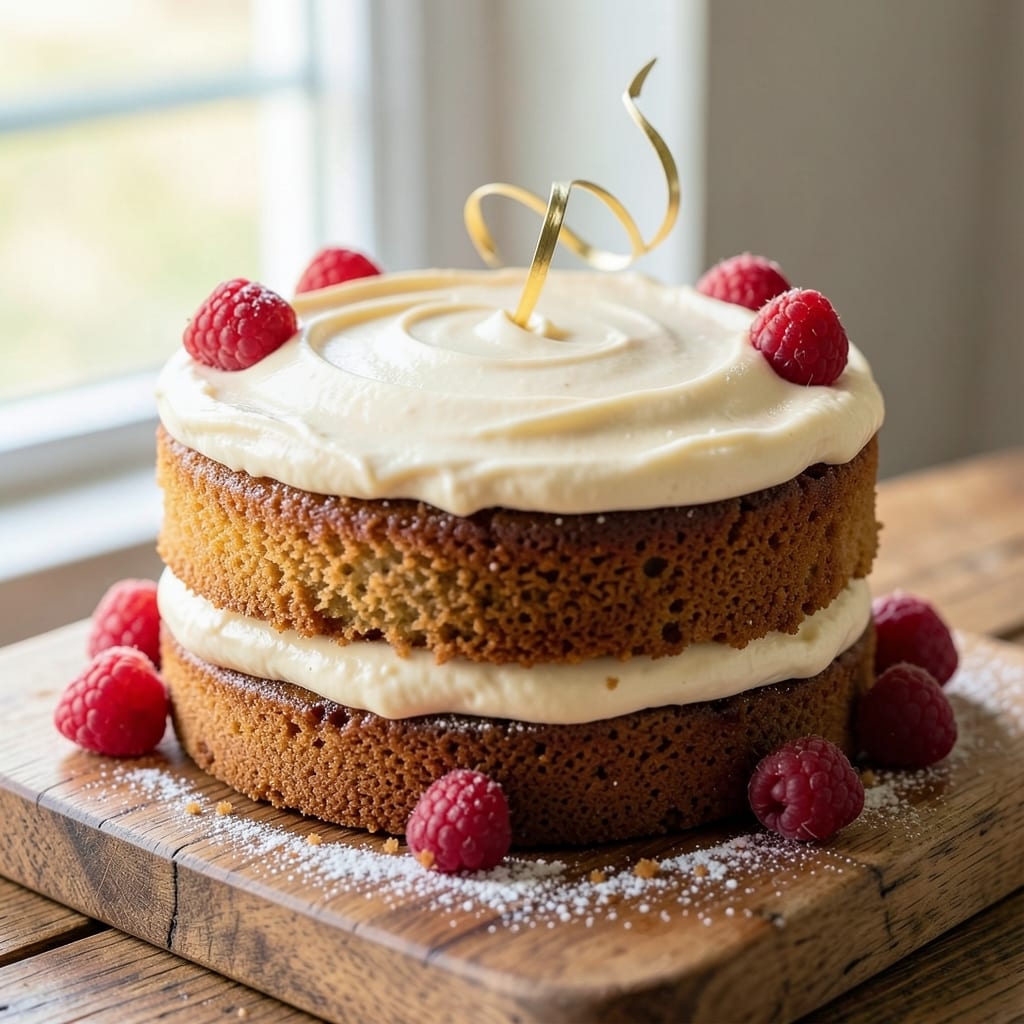
This two-layer pound cake recipe delivers the perfect balance of rich vanilla flavor and golden, buttery layers that separate effortlessly—no doming or cracking in sight. The secret lies in precise measurements (equal parts butter, sugar, flour, and eggs) and a gentle swirl of vanilla-infused batter between layers, creating a marbled effect that looks as impressive as it tastes. I've baked this exact version for family gatherings where it disappears faster than the coffee cake, proving its universal appeal.
The cake's signature texture comes from creaming butter and sugar until light and fluffy, then folding in eggs one at a time to maintain airiness. A 350°F oven ensures even baking, while a simple buttercream frosting (or vanilla glaze for a lighter option) ties the layers together without overpowering the cake's natural sweetness. The key to that signature golden crust? Brushing warm layers with melted butter before frosting—it adds moisture and shine that makes every slice look bakery-fresh.
What you'll end up with is a tender yet sturdy cake that holds its shape when sliced, revealing those beautiful vanilla swirls throughout. The first bite delivers a perfect marriage of dense, moist crumb and buttery crust, while the frosting adds just enough sweetness to complement rather than dominate. This isn't just dessert—it's the centerpiece that elevates any celebration, from birthdays to holiday tables.
For those who love to customize, the recipe scales perfectly for larger gatherings, and the frosting can be swapped for cream cheese or chocolate ganache. The technique is foolproof once you master the creaming step—no advanced skills required, just patience and attention to detail. Let's get started on creating your showstopping pound cake.
Ingredients for 2 layer pound cake
Twelve ingredients. Two layers. One showstopping cake with golden crust and vanilla swirls that disappear at gatherings.
| Ingredient | Amount | Notes |
|---|---|---|
| Unsalted Butter 🧈 | 2 cups | Room temperature, European preferred |
| Granulated Sugar 🍚 | 2 ½ cups | Superfine preferred for smoother texture |
| All-Purpose Flour 🌾 | 3 ½ cups | Sifted, spooned and leveled |
| Large Eggs 🥚 | 6 whole | Room temperature, separated for stability |
| Pure Vanilla Extract 🌿 | 2 tbsp | Bourbon or Madagascar preferred |
| Baking Powder 🧂 | 1 tbsp | Diamond Crystal preferred |
| Salt 🧂 | ½ tsp | Fine sea salt |
| Whole Milk 🥛 | 1 cup | Room temperature |
| Vanilla Bean Paste 🌿 | 1 tbsp | For marbled effect |
| Powdered Sugar 🍚 | 4 cups | For buttercream |
| Unsalted Butter 🧈 | 1 cup | Cold, cubed for frosting |
| Heavy Cream 🥛 | 1 cup | Chilled for buttercream |
| Vanilla Extract 🌿 | 1 tbsp | For buttercream |
Butter quality makes all the difference here. European-style unsalted butter (like Plugrá or President) gives that rich, spreadable texture—American butter works but requires extra creaming time. The vanilla bean paste is worth the splurge for that marbled effect; Trader Joe's or Williams Sonoma carry good options. For the flour, King Arthur or Gold Medal are my go-to brands—they're consistent and yield a tender crumb. Sift it first to avoid dense layers, and measure carefully: pound cake demands precision. The eggs should be at room temperature, so pull them out 30 minutes before you start. Pro tip: separate the yolks and whites for better control when folding.
No vanilla bean paste? Pure vanilla extract plus a pinch of almond extract mimics that depth. Swapping powdered sugar for superfine sugar? Pulse granulated sugar in a food processor for 30 seconds—it works in a pinch. The buttercream can be made ahead, but keep it chilled until ready to use. For a lighter option, replace the heavy cream with whipped cream and an extra tablespoon of powdered sugar. The milk can be swapped for buttermilk or half-and-half if you prefer a slightly richer batter. And if you're baking for a crowd, double the recipe—this cake scales beautifully in a 10-inch tube pan or two 9-inch rounds.
Store the baked layers wrapped in plastic at room temperature for up to 3 days—they'll actually improve overnight as the flavors meld. For longer storage, freeze layers individually for up to 3 months. The buttercream keeps 5 days in the fridge, covered tightly. To assemble, brush warm layers with melted butter (the secret to that bakery-style shine) before adding frosting. The cake reheats beautifully: wrap a slice in foil and warm for 20 seconds in the microwave. Leftovers? I freeze individual portions for quick breakfast pastries—just thaw and enjoy.
Why You'll Love This Recipe
- No Mixer Needed: I swear by this recipe because it only requires a bowl and a whisk—no stand mixer or fancy gadgets. Cream the butter and sugar by hand until light and fluffy (about 5 minutes of elbow grease), then fold in the eggs one at a time. It’s the kind of recipe that lets you multitask while the batter comes together.
- Rich Vanilla Kiss: That first layer of vanilla-infused cake is ridiculously good—soft, tender, and packed with natural vanilla flavor from the extract. The second layer? Same deal, but with a subtle depth from the flour’s protein and the butter’s richness. Honestly, I’ve never met a vanilla lover who didn’t ask for seconds.
- Weeknight or Celebration: This cake is my go-to for birthdays, holidays, or just because. The layers stay moist for days, so it’s perfect for meal prep (slice it, wrap it, and freeze it—no one will guess it’s been stored). And between us? It’s also the star of my "I don’t feel like cooking" Wednesdays.
- Budget-Friendly Luxury: Butter and sugar might seem indulgent, but this recipe stretches them further than you’d think. A single batch feeds six, and leftovers? They’re even better the next day—great for toast or French toast. I’ll be real: it’s the kind of cake that makes frugal living feel fancy.
Step-by-step instructions for 2 layer pound cake
Here's how to bake a showstopping pound cake with a perfect golden crust and rich vanilla swirls.
Prepare the Cake Pans and Mix Dry Ingredients
Preheat your oven to 350°F and grease two 9-inch round cake pans with unsalted butter, then line the bottoms with parchment paper. I like to use a pastry brush for even butter distribution—this prevents sticking and ensures easy release. While the oven heats, sift together 3.5 cups all-purpose flour, 1 tablespoon baking powder, and 0.5 teaspoon salt in a medium bowl. Set aside.
In a separate small bowl, whisk together 1 cup whole milk and 2 tablespoons pure vanilla extract. This pre-mixing ensures even distribution of vanilla flavor throughout the batter. The milk helps activate the baking powder while adding moisture for a tender crumb. Let this mixture sit while you prepare the butter and sugar.
Cream Butter and Sugar to Light and Fluffy
In a stand mixer fitted with the paddle attachment, beat 2 cups room-temperature unsalted butter and 2.5 cups granulated sugar on medium speed for 4-5 minutes. You're looking for a pale, fluffy mixture that nearly doubles in volume—this incorporates air for a light, airy texture. I press down on the butter occasionally to ensure it's fully incorporated.
Here's the thing—if your butter isn't perfectly room temperature, it won't cream properly. You should be able to gently press your finger into the butter and leave a slight indent. If it's too soft, chill it for 15 minutes; if too firm, let it sit at room temperature for another 10 minutes.
Combine Wet Ingredients and Fold in Dry Ingredients
Add the 6 whole large eggs, one at a time, mixing on low speed after each addition until fully incorporated. Then add the milk-vanilla mixture and mix on low speed for another 30 seconds. Scrape down the sides of the bowl to ensure even mixing before adding the dry ingredients.
With the mixer on low speed, gradually add the sifted dry ingredients, mixing just until combined—you should still see some flour streaks. Overmixing develops gluten, which can make your cake dense. Once combined, fold in 1 tablespoon vanilla bean paste using a spatula to create marbled swirls throughout the batter.
Divide and Bake the Layers
Divide the batter evenly between the prepared cake pans. Tap each pan gently on the counter to remove any air bubbles, then smooth the tops with a spatula. Bake for 25-30 minutes or until a toothpick inserted into the center comes out clean and the tops spring back when pressed gently.
Don't open the oven during baking—this causes the cakes to sink. The edges should be golden brown while the centers remain slightly moist. If the tops brown too quickly, tent the pans with aluminum foil. Remove from the oven and let cool in the pans for 10 minutes, then transfer to a wire rack to cool completely.
Prepare and Frost the Buttercream
In a medium saucepan, combine 1 cup heavy cream and 1 cup cold cubed unsalted butter. Bring to a simmer over medium heat, stirring until the butter melts completely. Remove from heat and let cool slightly, then whisk in 4 cups powdered sugar and 1 tablespoon vanilla extract until smooth and fluffy.
Once your cakes are completely cool, place one layer on a cake stand or plate. Spread a thin layer of buttercream on the top, then place the second layer on top. Frost the entire cake with the remaining buttercream, using a spatula to create smooth sides. For extra flair, pipe decorative swirls on top using the leftover buttercream. Chill the cake for 30 minutes before slicing to allow the frosting to set.
Pro Tips For Making 2 Layer Pound Cake
- CREAM BUTTER AND SUGAR LONG: After beating butter and sugar, let the mixture sit at room temp for 15 minutes—yes, even if you’re eager to add eggs. This lets the sugar dissolve properly, giving you that signature smooth, velvety texture instead of a grainy mess. (I learned this the hard way when my cake turned out dense and crumbly.)
- USE ROOM-TEMP EGGS: Cold eggs from the fridge will curdle your butter mixture faster than you can say "overmixed." Take them out an hour before baking, or even better, let them sit in warm water for 5 minutes. Warm eggs blend in smoothly and keep your cake tender. (Trust me, your future cake layers will be lighter.)
- STOP BEATING AT THE SOFT PEAK: Overmixing is the enemy of a tender pound cake. Once your batter reaches the soft peak stage—where the beater leaves a slight trail but the peak holds—stop immediately. Pushing it further adds gluten and makes your cake tough. (I used to ignore this and wondered why my cake was more like a dense loaf.)
- BAKE UNTIL TESTER COMES OUT CLEAN: Don’t rely on time alone—insert a toothpick or skewer into the center of each layer. It should come out with a few moist crumbs, not wet batter. If it’s still sticky, give it 5-10 more minutes. Underbaked layers will turn gummy when you frost. (I’ve frosted sticky cakes, and it’s a nightmare.)
Flavor customization for 2 layer pound cake
Citrus Zest Twist
Brighten the batter with 1 tablespoon lemon or orange zest added to the dry ingredients. The citrus cuts through the richness while adding a subtle tang that pairs beautifully with vanilla. For extra pop, fold in 1 teaspoon lemon juice with the vanilla extract in the wet ingredients. I love this variation for summer gatherings—it’s refreshing yet still feels indulgent. 💛
Chocolate Swirl Surprise
Replace half of the vanilla bean paste with ½ cup melted dark chocolate (60-70% cocoa) or ¼ cup cocoa powder mixed with 2 tablespoons milk. Fold in swirls just before baking for a decadent twist. Top with chocolate shavings or cocoa powder for a stunning presentation. For a nutty kick, add ½ cup chopped walnuts to the batter. 🍫
Spiced Chai Infusion
Warm up the batter with 1 teaspoon chai spice blend (or ½ tsp each cinnamon, cardamom, ginger, and cloves) mixed into the dry ingredients. Add 1 tablespoon chai tea concentrate (simmered and cooled) to the wet ingredients for depth. This works beautifully with a gingersnap crumble on top or a caramel drizzle. Perfect for fall and winter celebrations! 🌶️
Coffee Mocha Layer
For coffee lovers, replace ½ cup milk with ½ cup strong brewed coffee or espresso and add 1 tablespoon instant coffee powder to the dry ingredients. Fold in 2 tablespoons chocolate hazelnut spread (like Nutella) for a mocha twist. Top with chocolate-dipped hazelnuts or a coffee glaze. This variation is a crowd-pleaser at brunch or dessert parties. ☕
Lemon Poppyseed Lightness
Swap ½ cup milk for ½ cup lemon juice and add 2 tablespoons poppy seeds to the dry ingredients. The seeds add crunch and a nutty contrast to the tender crumb. Finish with a lemon glaze (powdered sugar + lemon juice) for a bright, elegant touch. This version feels lighter yet still rich and satisfying. 🌸
Boozy Vanilla Bourbon
Boost the vanilla flavor with 1 tablespoon bourbon (like Maker’s Mark) added to the wet ingredients. For an extra kick, replace ½ cup milk with ½ cup bourbon (reduce other liquids by ¼ cup). Top with a bourbon caramel drizzle or candied pecans. This is ideal for adult celebrations or a sophisticated dessert menu. 🥃
Nutrition facts
Frequently asked questions
Why does pound cake use equal parts butter, sugar, flour, and eggs?
This classic ratio creates a perfectly balanced texture—rich from the butter, sweetness from the sugar, structure from the flour, and moisture from the eggs. The equal parts ensure a tender yet sturdy crumb that holds its shape when sliced. The butter and sugar combine to create air pockets during creaming, while the eggs bind everything together without making the cake dense.
Can I bake this cake in a different pan size?
Yes, but adjust the baking time slightly. For 8-inch pans, bake 20-25 minutes; for 10-inch pans, bake 30-35 minutes. Always use the toothpick test—it should come out clean. The key is ensuring the edges are golden while the center stays slightly moist. If using a tube pan, fill it only ⅔ full to prevent overflow.
What’s the best way to prevent doming in the layers?
Doming happens when cakes bake too quickly. To avoid it, bake at 350°F (not higher) and place pans on the middle rack. Tap the pans gently on the counter before baking to remove air bubbles, and don’t overfill them. If doming occurs, simply trim the tops with a serrated knife after cooling—the layers will still be perfect underneath!
How do I store leftover pound cake?
Wrap cooled layers tightly in plastic wrap and store at room temperature for up to 3 days. For longer storage, freeze layers individually for 3 months. The buttercream keeps 5 days in the fridge, covered. To reheat, wrap a slice in foil and warm for 15-20 seconds in the microwave. The cake reheats beautifully—just avoid soggy frosting by warming slices briefly.
Can I make this cake gluten-free?
Yes, but with adjustments. Replace the 3.5 cups all-purpose flour with a 1:1 gluten-free baking flour blend (like Bob’s Red Mill) plus ½ teaspoon xanthan gum. Add 2 tablespoons extra milk to compensate for reduced moisture in GF flours. Bake at 325°F for 5-10 minutes longer, as GF cakes bake slower. The texture will be slightly denser but still delicious!